Home · Booking Ahead
What to book, and what not to
Worth arranging
- Park Güell Monumental ZoneBook a time
Entry to the terrace, mosaics, viaducts and gate area has needed a ticket since October 2013. The official site sells timed tickets with a thirty-minute window to enter, and Barcelona residents enter free. - Sagrada FamíliaCheck the official site
Entrance fees pay for construction. Individual, group and school visits each have their own pages on the basilica's official site, which also carries any notice of closure, so check it first. - Casa BatllóCheck the official site
A privately run house museum on the Passeig de Gràcia. The facade can be seen from the street without a ticket; the interior is ticketed through the house's own site. - Casa Milà (La Pedrera)Check the official site
Visits, exhibitions and educational activities are run by the Fundació Catalunya La Pedrera. - Palau GüellCheck the official site
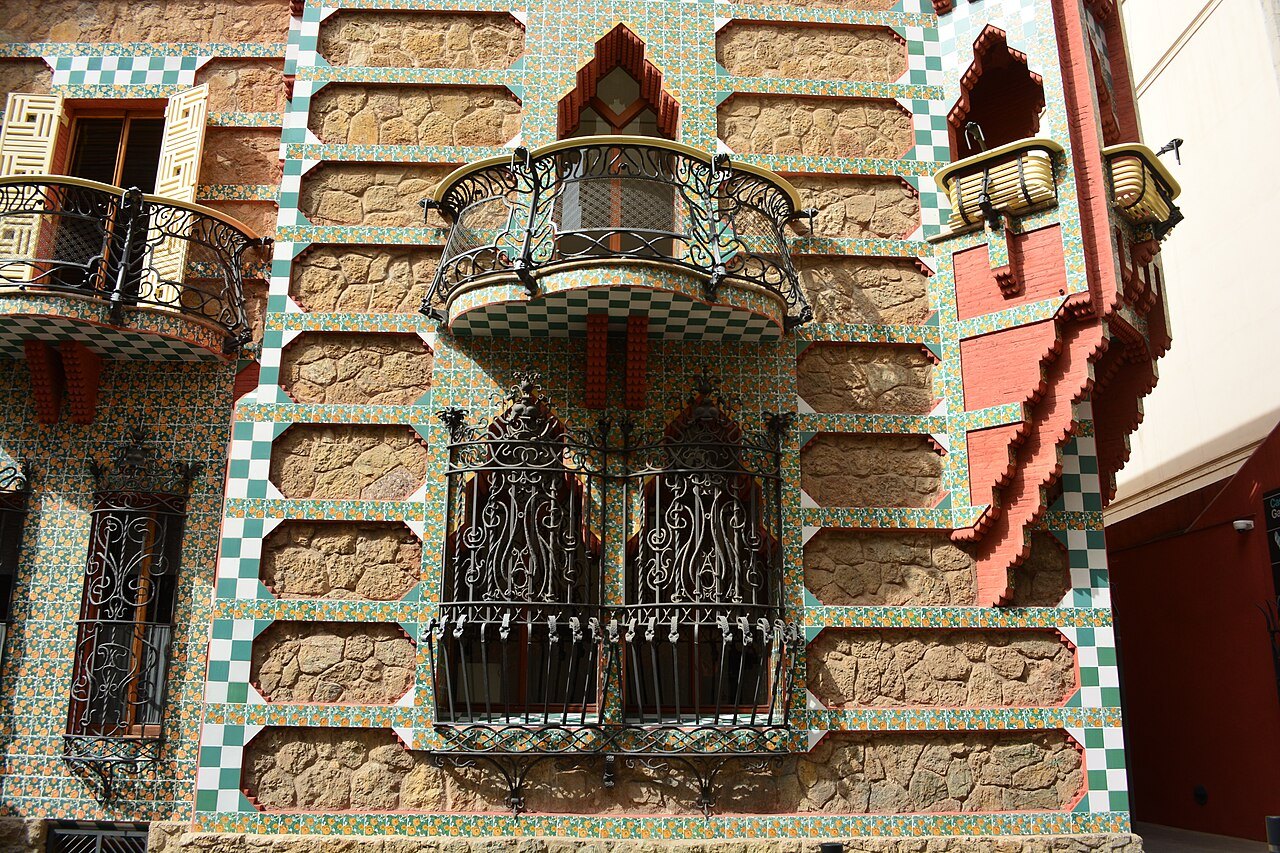
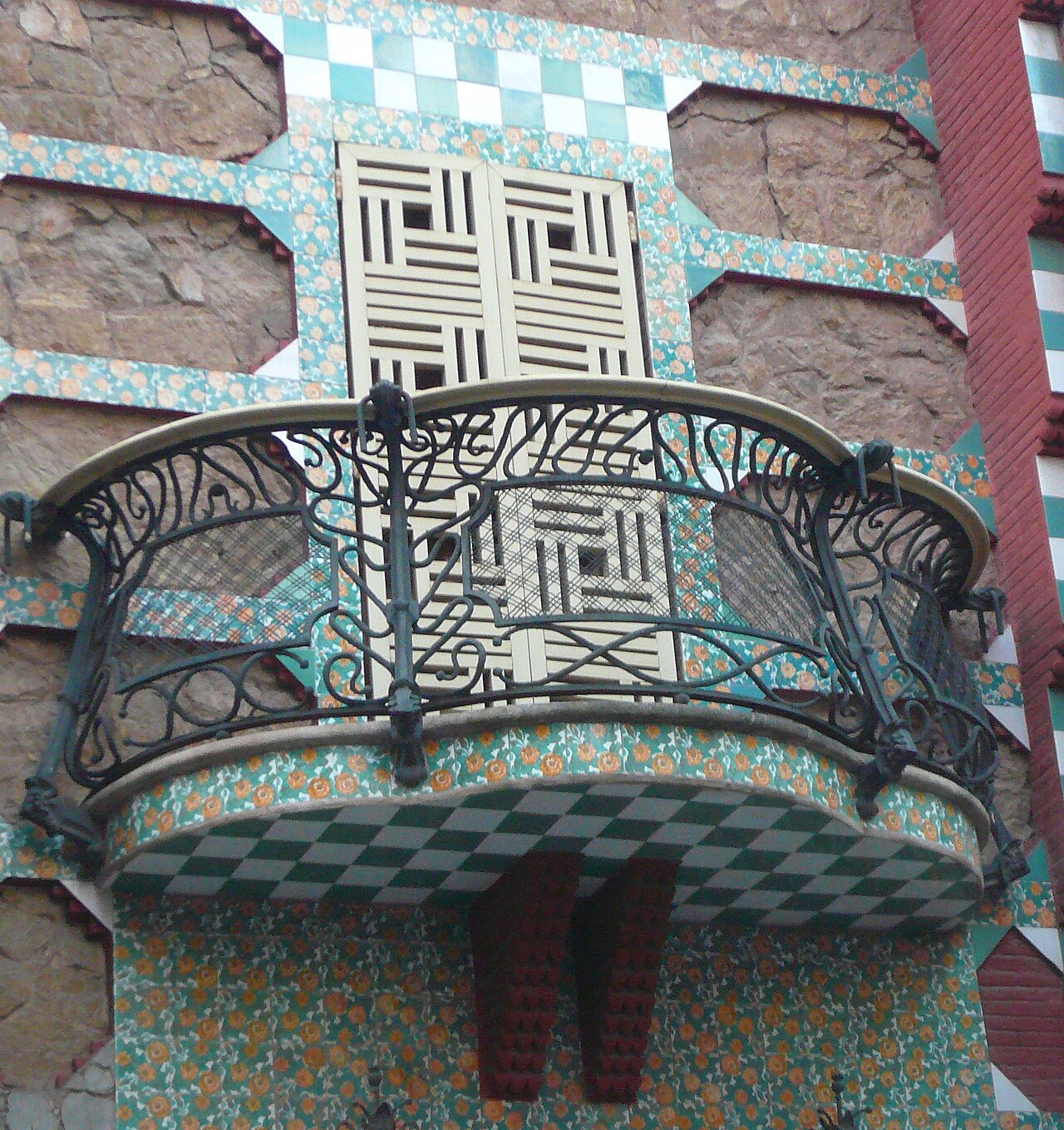
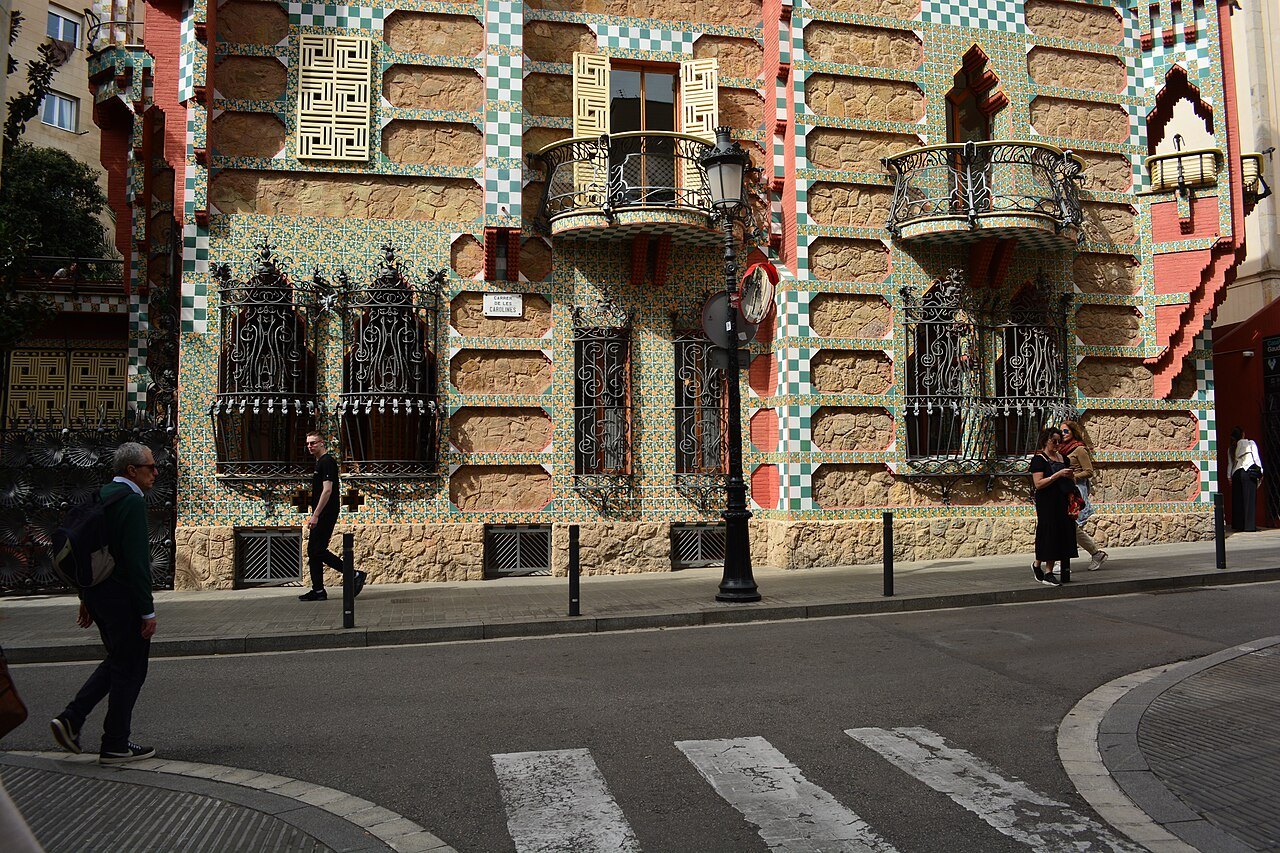
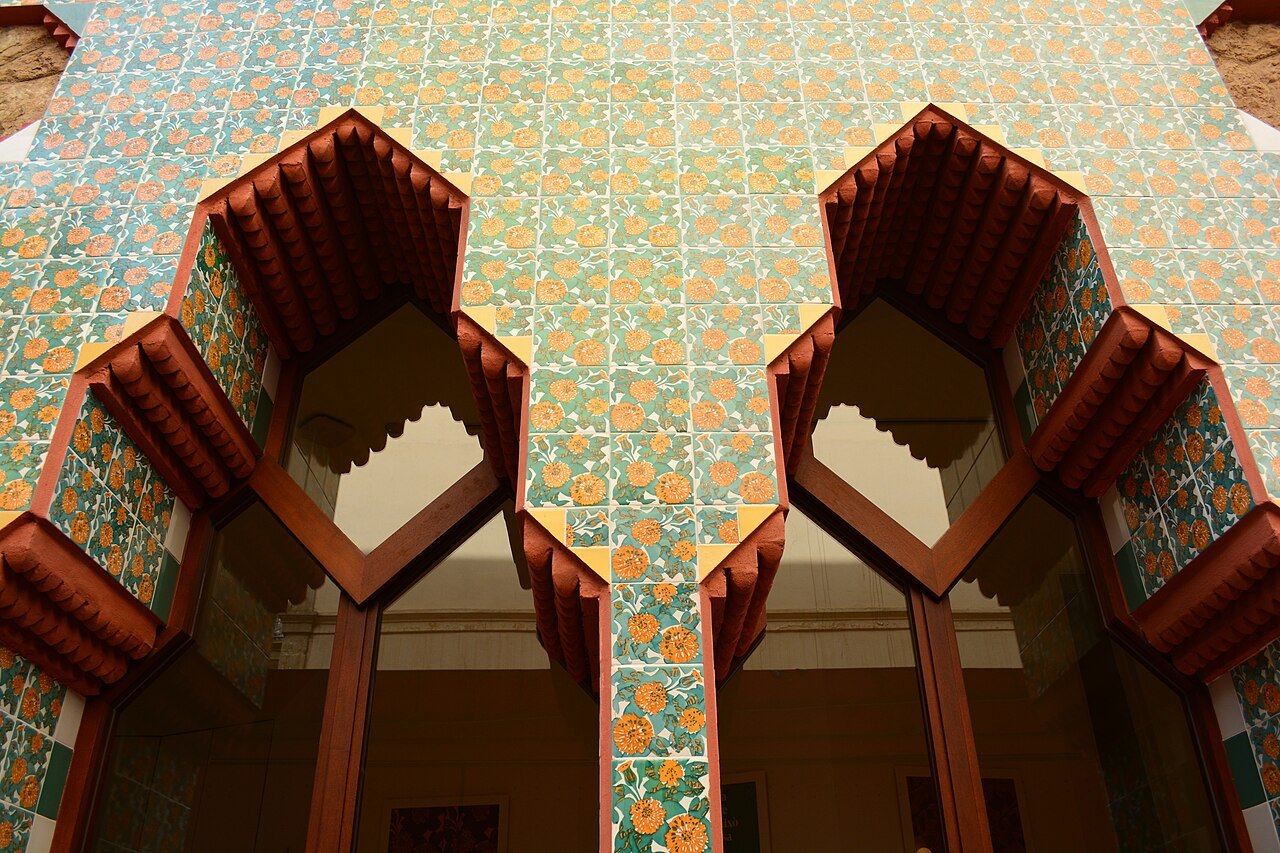
A ticketed house museum off the Rambla, restored and reopened in 2011. - Casa VicensCheck the official site
A house museum in Gràcia, ticketed through its own site. - Palau de la Música CatalanaBook a time
Concerts and guided visits are both booked through the palace's official site; more than half a million people a year attend performances. - Hospital de Sant PauCheck the official site
Open to visitors since 2014 as a museum and cultural center; parts of the restoration were expected to continue to 2020, so check which parts admit visitors. - Casa AmatllerBook a time
The Block of Discord house is shown on scheduled tours and also holds a café. - Cathedral, Gothic Quarter, Rambla, BoqueriaNo ticket needed
The streets and the market need no ticket. Individual chapels, the cloister and other parts of the cathedral are managed by the cathedral, so check its arrangements. - Montjuïc, the Pavilion and TibidaboCheck the official site
The Montjuïc funicular and cable car, the Barcelona Pavilion, the castle and the Tibidabo funicular and park each have their own operator and their own ticketing.
Booking Ahead
In full
Why timing matters
A few places in Barcelona operate as visitor attractions with a limited number of entries per day, so that an arrival without a ticket may mean a wait or no entry. The best-known example is the Park Güell, where the official site states that you must arrive at the access control point at your assigned time and that you have a thirty-minute window after the time on your ticket to get in; once it has passed, you lose the right to enter.
The lesson applies more widely: look at the official page for each place before leaving, choose a date, and keep the confirmation where you can reach it on your phone.
Build the day around the single ticketed entry that matters most to you, put it where you will arrive rested, and treat the rest of the day as a walk. If you are traveling in a group, look for the group or school page on the official site, since the rules for groups differ from those for individuals, as the Sagrada Família's own site shows with its separate pages for individuals, groups and schools. Children, residents and people with reduced mobility may have different arrangements, which each operator explains on its own page, and it is worth reading them before you pay.
Park Güell
Since October 2013 entry to the Monumental Zone, meaning the main terrace, the mosaics, the viaducts and the gate area, has required a ticket, while residents of Barcelona enter for free. The tickets are sold for assigned times, and they often sell out. The nearest metro stations, Vallcarca and Lesseps, are close but not adjacent to the entrance, so allow time for the walk uphill before your assigned time, because the entry window closes thirty minutes after it.
The house where Gaudí lived, La Torre Rosa, is a separate ticket, with a discount available to visitors of the Sagrada Família according to the park's own description. The Parc del Carmel, on the other side of the hill, is a separate public park.
The Sagrada Família
The basilica's construction is paid for by visitors' entrance fees and donations; the basilica relies solely on private contributions, as it has since 1882. Its official site has separate pages for individual visitors, groups and schools, and it is also the place that announces any closures, so always look at it before a visit.
A Mass in an international format is held on Sundays and holy days and admits the public until the church is full; it is a way to see the interior for worship, not sightseeing, and the arrangements for it are posted by the basilica.
The Gaudí houses
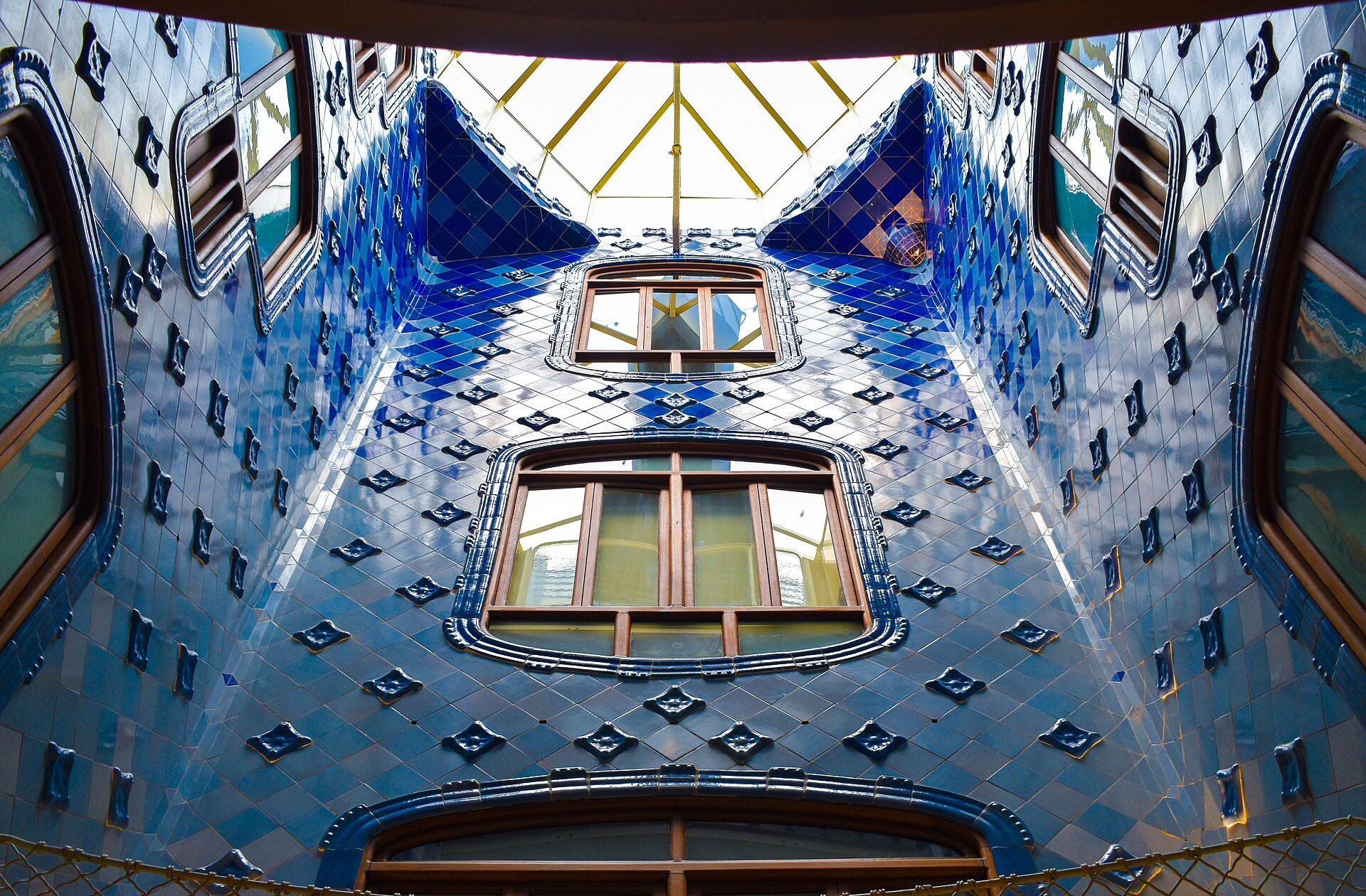
Casa Batlló, Casa Milà, Casa Vicens and Palau Güell are each operated separately, and each sells tickets through its own official site. Casa Milà is run by a not-for-profit foundation, which manages visits, exhibitions and educational programs; the Casa Batlló is private. Palau Güell was closed to visits from 2004 for restoration of stone that had cracked and reopened with the work finished in April 2011, so it is worth checking the latest arrangements for it as well as for Casa Vicens.
All four have outsides that can be seen for nothing. If your time is short, walk the Passeig de Gràcia to see the facades of the Casa Batlló, Casa Amatller, Casa Lleó Morera and Casa Milà, and choose one interior.
Concerts and tours at the Palau de la Música
The Palau de la Música Catalana is both a visitor sight and a working concert hall. More than half a million people a year attend performances there, from symphonic and chamber music to jazz and Catalan song, so a concert is the best way to see the hall as designed, with its skylight and muses.
The palace also runs tours of the building, which are booked through its own site. Book either well ahead for a date you cannot move.
Free to see, ticketed to enter
Much of Barcelona costs nothing to see: the Gothic Quarter lanes, the Rambla, the Boqueria market, the beaches, the exterior of the Sagrada Família and the cathedral's facade, the Parc de la Ciutadella and the Montjuïc gardens. The ticketed places are, in the main, the interiors of buildings and the Park Güell's monumental core.
A useful rule is to book the one or two interiors that matter most to you and leave the rest of the day free, because a day of back-to-back timed tickets is hard to keep on time.
Using the official site, and only that
Third parties also sell entry to many of these places, under their own conditions. If you use one, check that it lists the attraction's name, the date and time, and the refund terms, and keep the confirmation. A confirmation email from the official operator is the safest proof.
The guide to when to come describes the weather and the quieter months, and the itineraries guide suggests how to group tickets by neighborhood so that a timed entry does not force a cross-city dash.
If a place closes
Places shut for restoration, for events and for holidays, and some, like the Sagrada Família, publish notices of temporary closure on their own sites. Check the notice on the day, and have a nearby alternative in mind: the Gothic Quarter and the Born are always open to wander.
The Tramvia Blau to Tibidabo has not operated since January 2018, which is a reminder that a transport link listed in an older guide may no longer run.
Shows, lifts and other tickets
Not everything is a building. The Magic Fountain of Montjuïc, built for the 1929 exposition and restored before the 1992 Games, stages light-and-music shows at half-hour intervals every weekend, with more evenings added in summer; its programs have included film scores, classical works and pop. The schedule changes by season, so check the city council's page for it.
Transport has its own arrangements. The Montjuïc funicular is part of the metro system, while the cable car, the harbor tramway and the Tibidabo funicular are separate operations with their own ticket offices. The Tibidabo funicular resumed operation in June 2021 after modernization, and the Tramvia Blau has been out of service since January 2018.
More photographs
Seen on the way
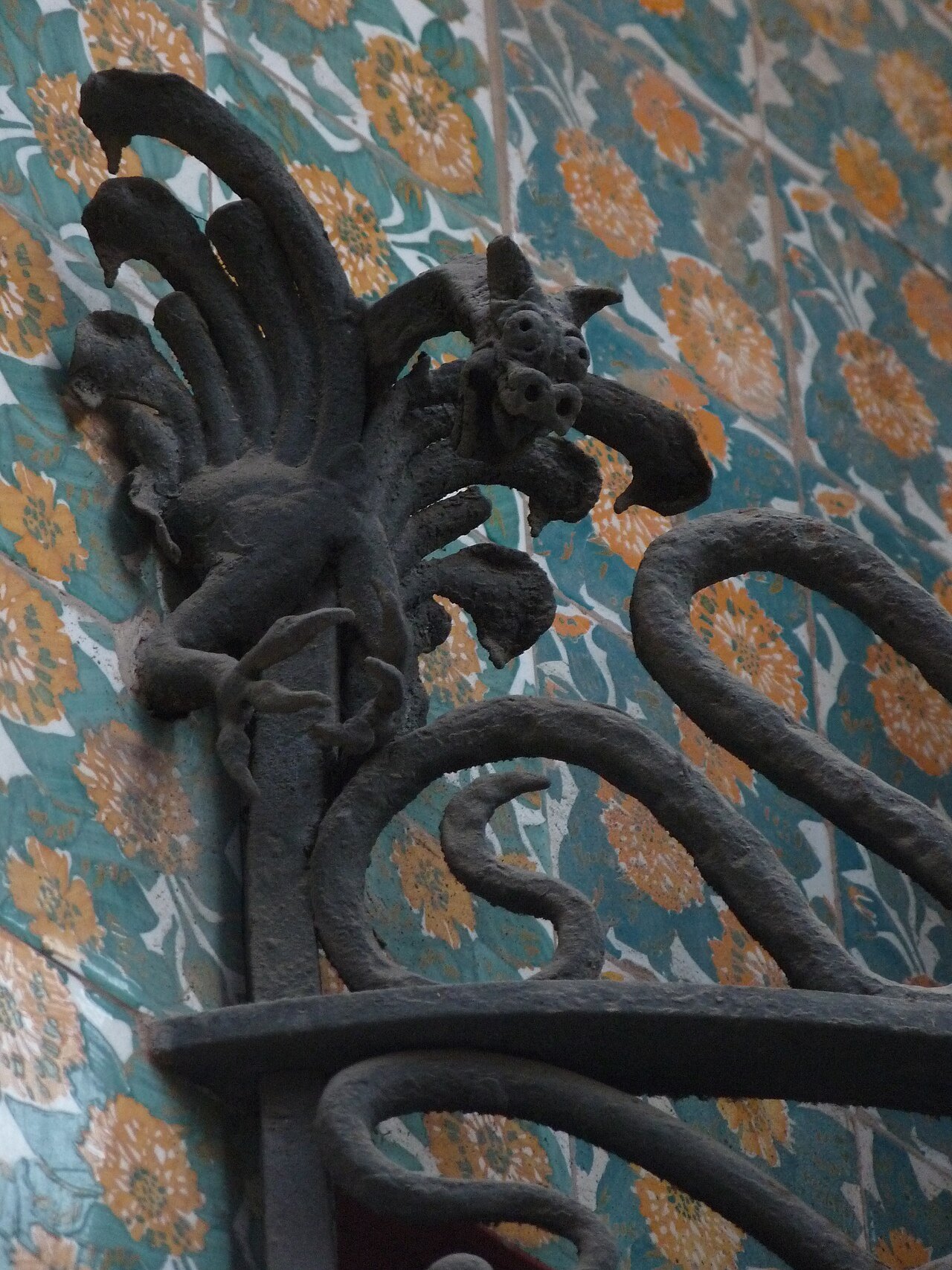
A wrought-iron dragon against a wall of flower-patterned tile at Casa Vicens.Mireianavir, Wikimedia Commons, CC BY-SA 3.0 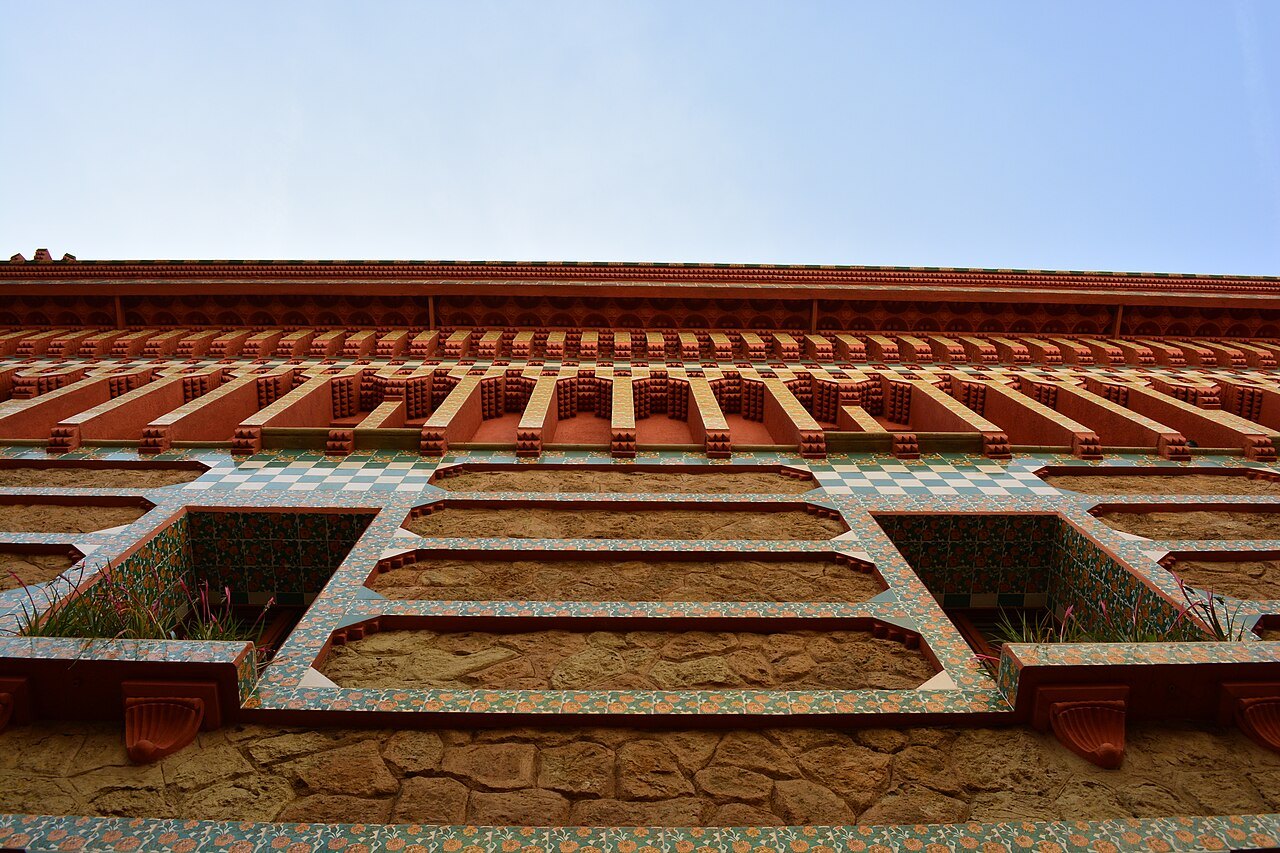
The stepped red cornice and brick of Casa Vicens against the sky.Joe Mabel, Wikimedia Commons, CC BY-SA 4.0 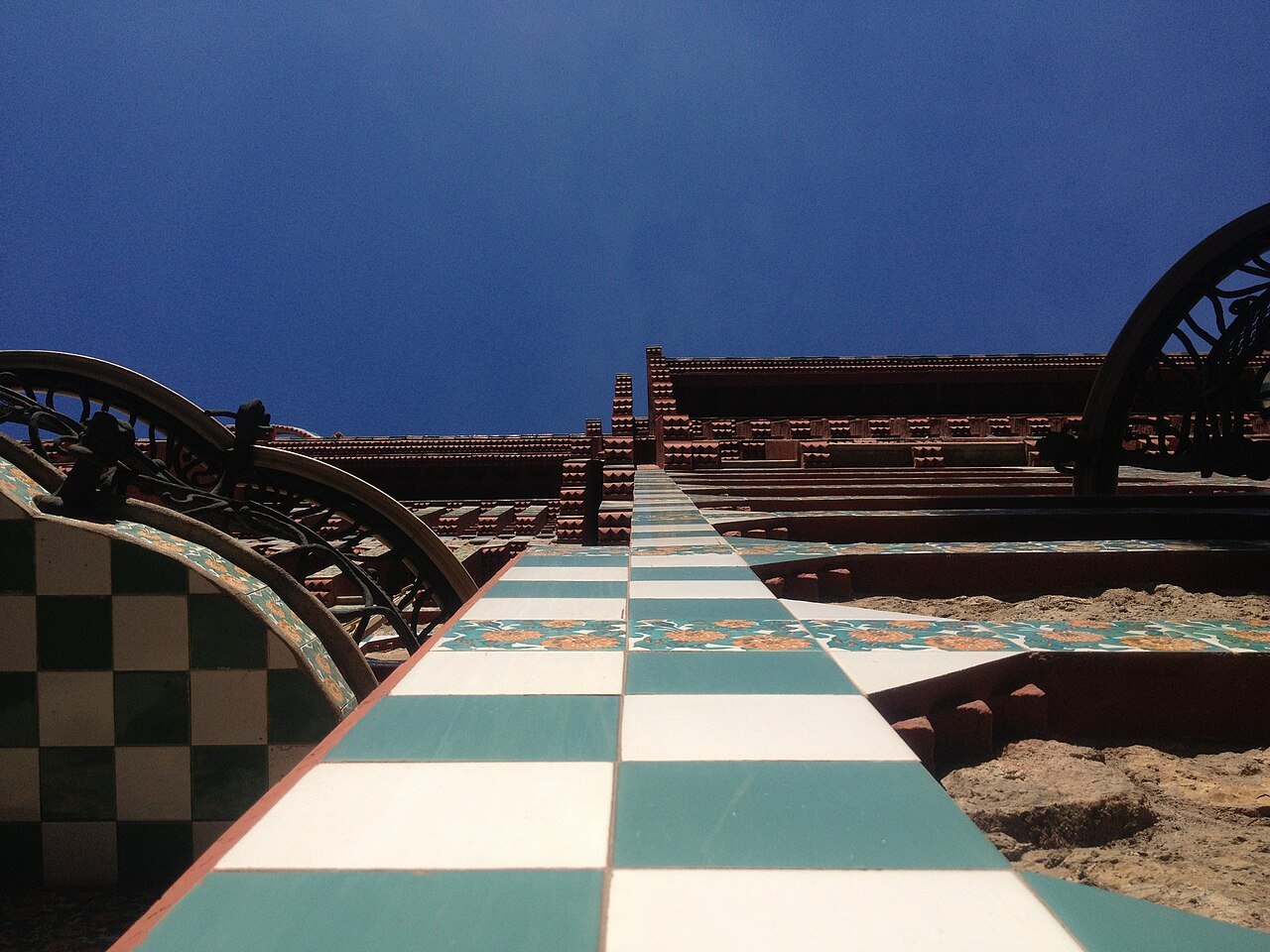
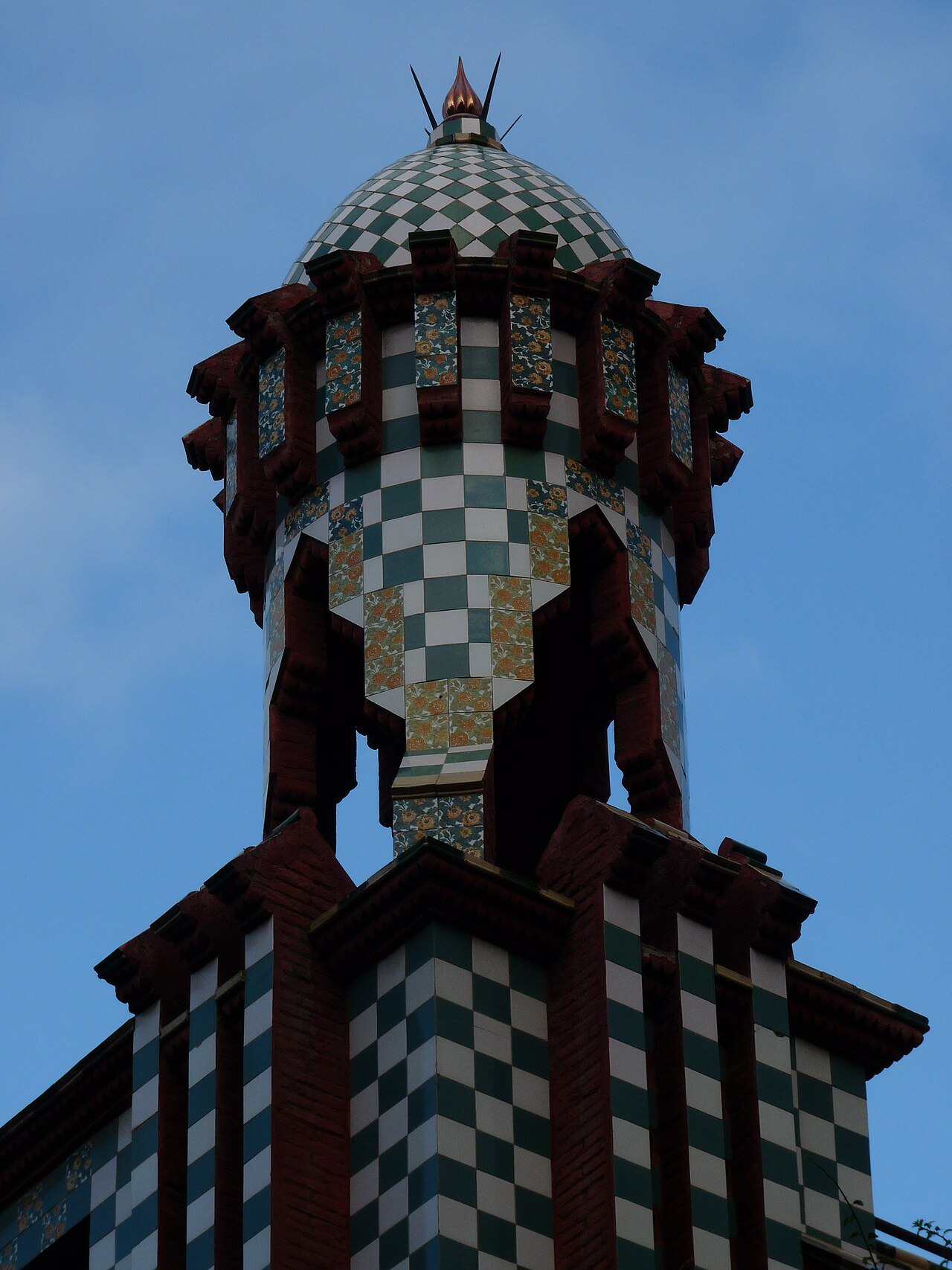
A walkway of green-and-white checkered tile on the roof of Casa Vicens, under a deep blue sky.Pablo Alejandro Araujo Granda, Wikimedia Commons, CC BY-SA 2.0