Home · When to Come
Month by month
The year
January
The coldest month. Daytime highs typically run between 54 and 64°F and nights between 43 and 54°F. Frost is very rare in the city itself, though the hills sometimes record it at night. Days are about ten hours long.
February
Like January, one of the two coldest months, with highs around 59°F and nights around 48°F. Winters here are mild and the hours of daylight, about ten, are longer than in northern Europe.
March
Spring begins, with highs around 66 to 68°F and nights near 55 to 57°F. The Barcelona Marathon is run in March. Spring is rainier than winter.
April
Mild, with highs in the high sixties °F. Rain is more frequent in spring than in winter or summer, though less than in autumn. The Cursa de Bombers, a road race, runs in April.
May
Late spring, with highs a little above 68°F. Sea breezes begin from May or June. The Corpus Christi tradition of the dancing egg at the cathedral falls in late spring.
June
Summer arrives, with highs around 79°F and nights near 68°F. Sea breezes continue through September.
July
One of the two warmest months, with highs around 82 to 84°F and nights around 72 to 73°F. It is the driest month, with about two rainy days and the most sunshine, around ten hours a day.
August
The warmest month, with highs typically between 81 and 88°F and nights between 68 and 75°F. The Festa Major de Gràcia fills the neighborhood's streets for eight days.
September
Highs around 79°F and nights near 68°F. Thunderstorms, common from mid July to November, can be heavy. The city's patron saint festival, La Mercè, falls in late September.
October
The rainiest month, with about six rainy days and ninety millimeters of rain on average. Highs run around 64 to 66°F.
November
Autumn, still the rainy season, with highs around 64 to 66°F, nights near 54 to 55°F, and thunderstorms possible.
December
The least sunny month, around four and a half hours of sun a day, with highs near 59°F. A swimming race across the Old Port takes place on Christmas Day.
When to Come
In full
A Mediterranean climate
Barcelona has a Mediterranean climate. Over the year the average daytime temperature is a little above seventy degrees Fahrenheit and the average at night is near sixty. Large swings in temperature are very rare. In the coldest month, January, daytime highs typically range between 54 and 64°F, and in the warmest month, August, between 81 and 88°F.
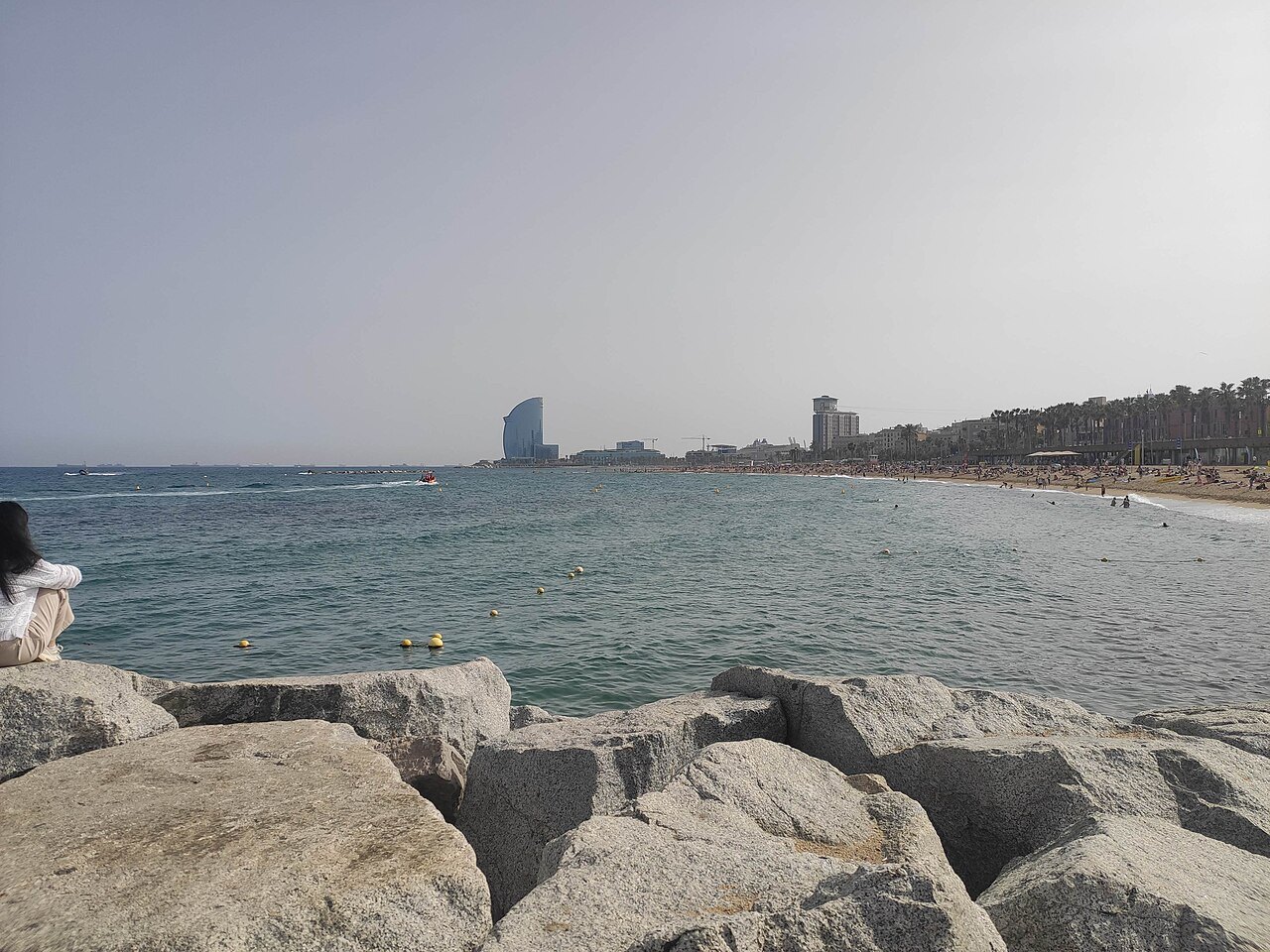
Sunshine totals about twenty-five hundred hours a year, from around four and a half hours a day in December to about ten hours a day in July. The mean daily range is small, so a sunny winter day can feel pleasant in the sun and cool in the shade. That is why the city feels bright even in winter, and why a sun hat is as useful in March as in August.
Winter
Winters are mild. January and February are the coldest months, with daytime highs around 59°F and nights around 48°F. The hills around the city, Montjuïc among them, occasionally record frost at night, and during the strongest cold waves frost has been recorded by day in the city, but this is very rare. The city last recorded a temperature below freezing on 27 January 2005.
Winter days are not as short as in northern Europe: December, January and February average ten hours of daylight, where London or Moscow have about eight. Snow in the city is rare. A heavy snowfall at Christmas 1962 was the biggest since 1887, and on 8 March 2010 a thundersnow shut down transport and roads.
Spring
Spring usually lasts from March to late May, and in some years into June. Highs sit around 66 to 68°F and nights around 55 to 57°F. Rain is more frequent in spring than in winter and summer, but less than in autumn, so a light waterproof is worth packing.
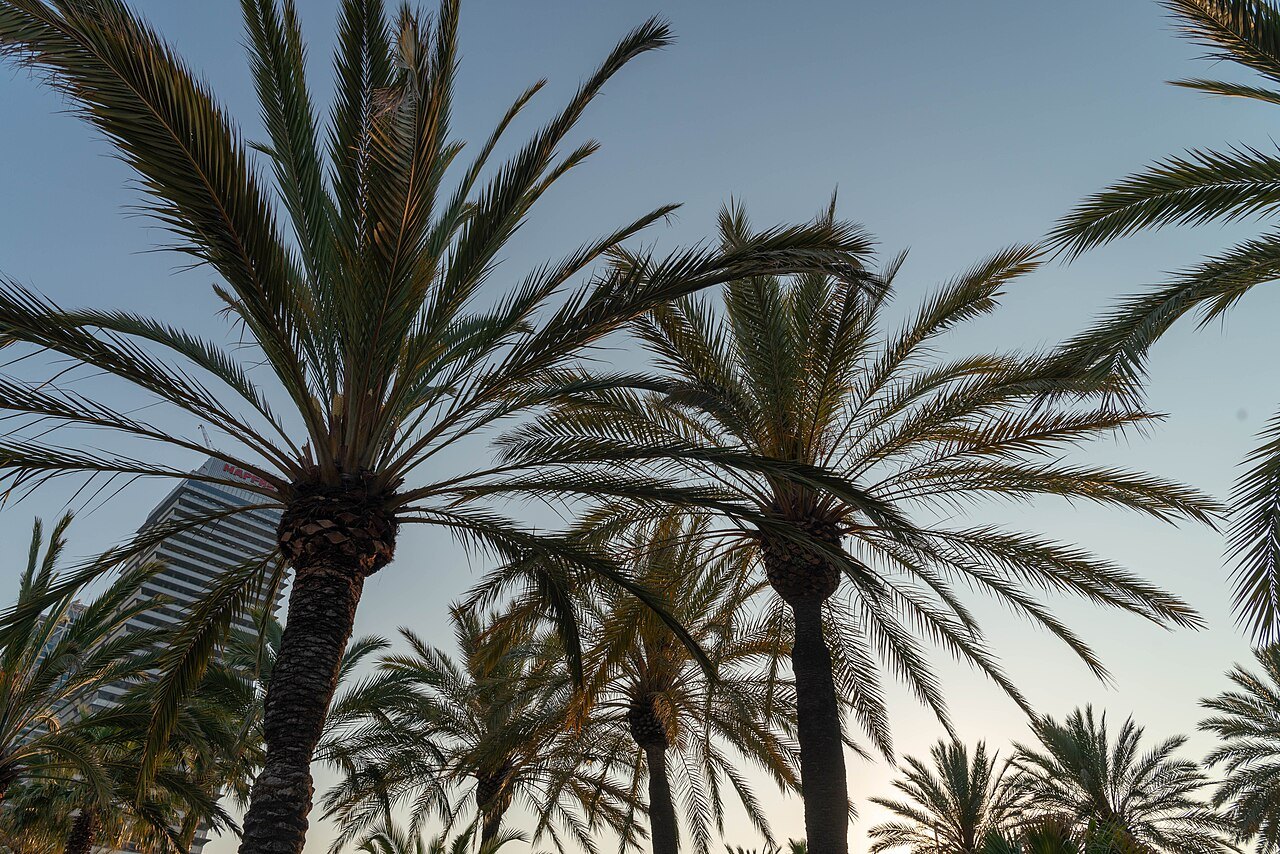
Sea fog is frequent in early spring, when the first warm air masses from Africa pass over the still-cold sea. The Barcelona Marathon, held each March, and the Cursa de Bombers in April are among the road races that fill the city's streets, which affect transport on the day.
Summer
Summer runs from late May or early June to late September or early October. July and August are the warmest months, with daytime highs around 82 to 84°F and nights around 72 to 73°F; June and September run near 79°F by day and 68°F at night. Daytime temperatures above 93°F are rare.
Barcelona is not a windy city, but sea breezes blow from May or June to September. July is also the driest month, at an average of about twenty millimeters of rain over two days, though summer storms can be heavy, and flash floods in the lowest parts of the city have followed them.
Autumn
Autumn, from October to December, is the rainiest season. Highs run around 64 to 66°F and lows around 54 to 55°F. October averages about six rainy days and ninety millimeters of rain, the most of any month, and the annual total is under about twenty-five inches, with fifty-five days of measurable rain.
Thunderstorms, which occasionally become severe, are common from mid July until November. In a major storm on 31 July 2002, more than two hundred millimeters of rain fell at some observatories. Heavy rain in the city usually comes on easterly winds, locally called the Levanter, which can last several days.
Events through the year
The Festa Major de Gràcia, the largest neighborhood festival in Barcelona, runs for eight days every August and began in 1817 as a celebration of Gràcia when it was still an independent town; residents compete to decorate their streets. Two major pop music festivals, Sónar and Primavera Sound, take place each year, and the Rambla is home to mime artists and street performers all year.
On the sporting side, the Barcelona Marathon in March and several other road races crowd the streets, and each Christmas Day a two-hundred-meter swimming race crosses the Old Port. In late spring the cathedral keeps the tradition of the dancing egg for Corpus Christi, an eggshell balanced on the jet of a fountain.
Choosing your month
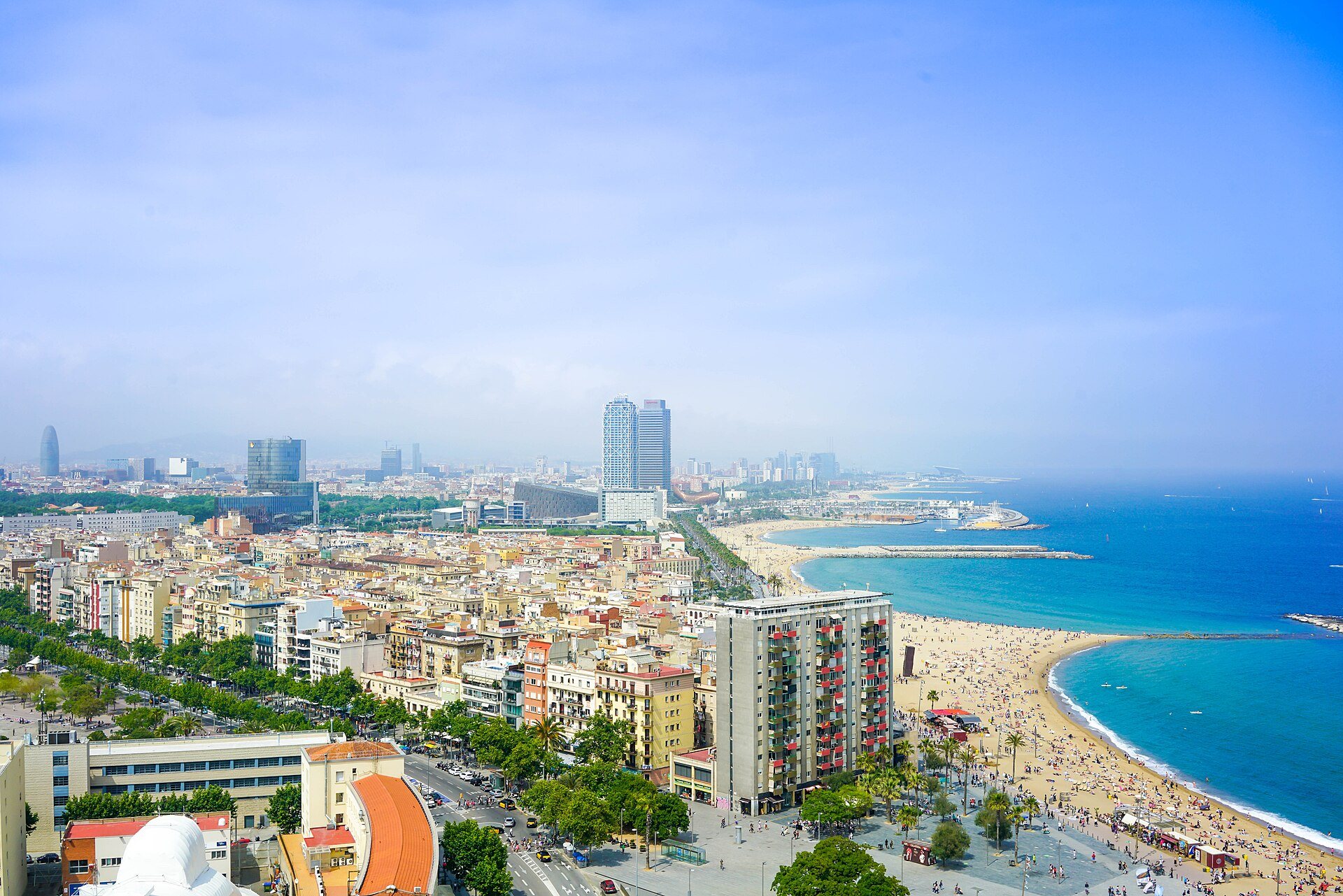
For walking, museums and long days outside, April to early June and late September to October offer the best balance of warmth and light, though October is also the wettest month. July and August are the hottest, and the beaches of Barceloneta are at their liveliest from dawn to dusk, so they suit a trip built around the sea.
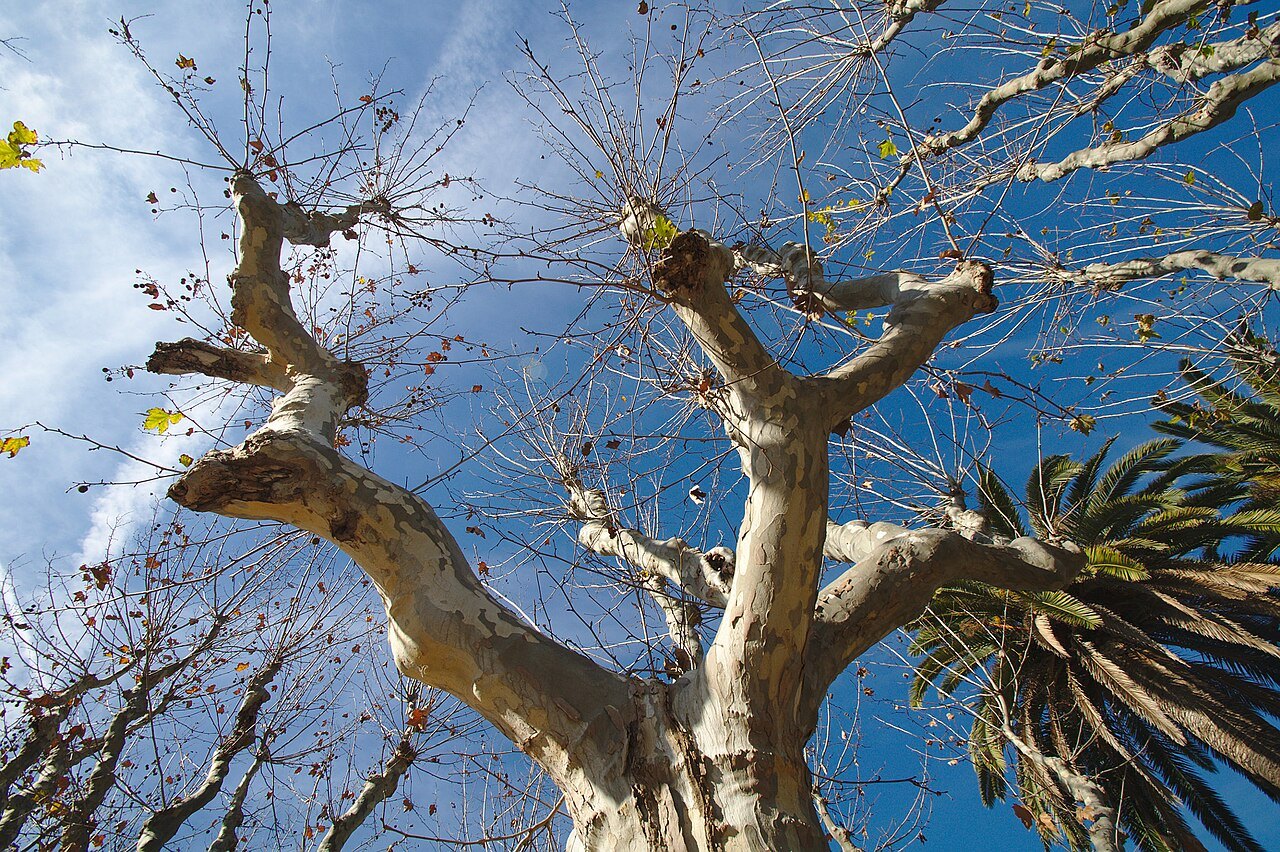
Winter has the fewest weather surprises and shorter queues for some places, but plan for cool evenings and a few rainy days. Shoulder months also tend to be easier on the eye for photography, with softer light than the high sun of July. Whatever the month, keep the afternoon free, check the forecast for thunderstorms in autumn, and read the guide to booking ahead for the sights that need a date.
Sun, humidity and wind
Average relative humidity is about seventy-two percent, from sixty-nine in July to seventy-five in October, which is why a hot day by the sea can feel heavier than the temperature suggests. The ultraviolet index averages five over the year, reaching nine in June and July and falling to one in December, so sun protection matters most in early summer.
Barcelona is not normally windy, but winds from the west and northwest blow in winter, and eastern gales can cause flooding on the coast; east and northeast winds can exceed one hundred kilometers an hour. Some days of fog and overcast skies are not unusual in an otherwise sunny city.
What to pack
From late spring to early autumn, light clothing, sun protection and a refillable bottle cover most days, with a layer for air-conditioned interiors and evenings by the water. From November to March, add a warm jacket for the evenings and something for rain, because the damp can make a mild day feel cold.
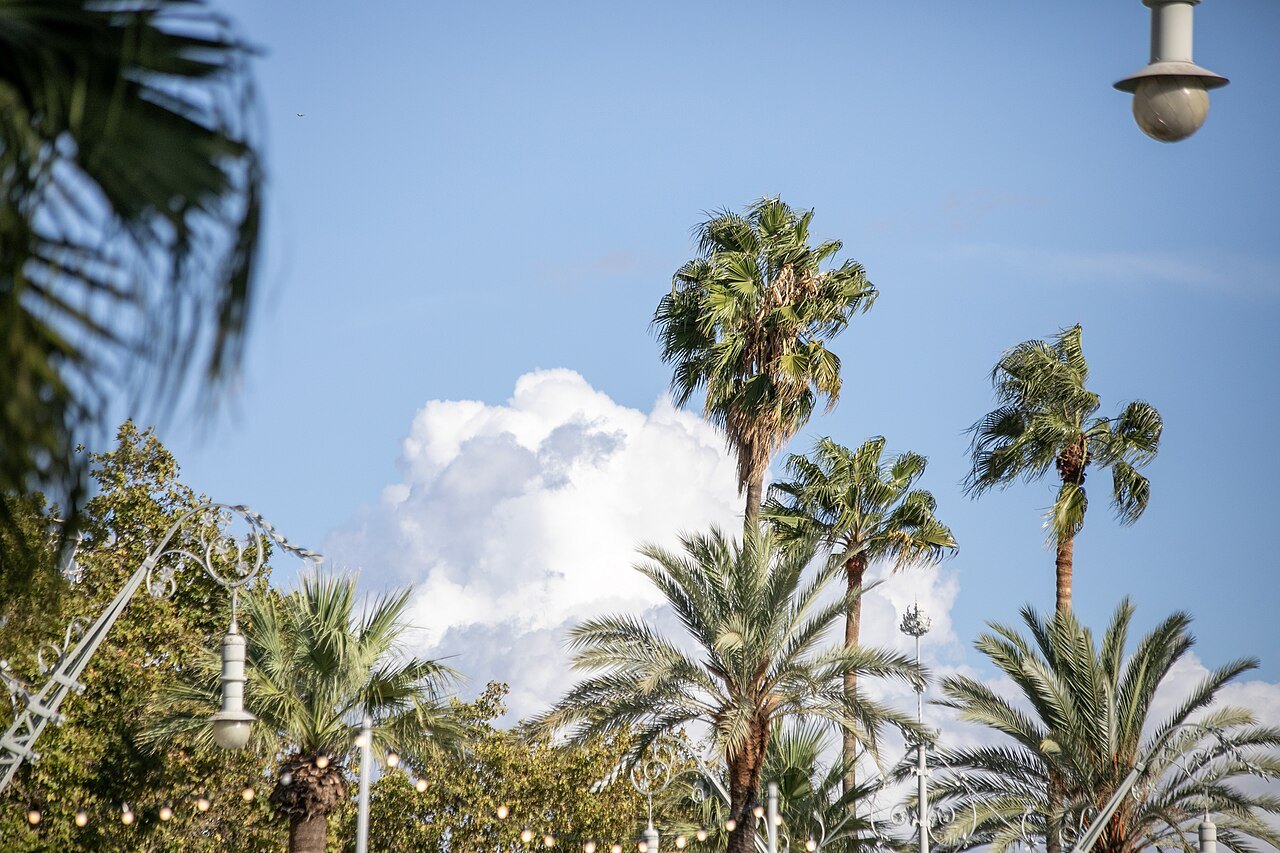
Comfortable shoes matter more than any other item, since stone paving and long walks between districts are the norm. In every season, plan for a fair amount of walking on stone and cobblestone, and for hills if Park Güell, Montjuïc or Tibidabo are on your list.