Home · The Sights
The sights, from Gaudí to the sea
All twenty
Gaudí and the Modernistes
Eight buildings of Catalan Modernisme, six of them by Gaudí- 1
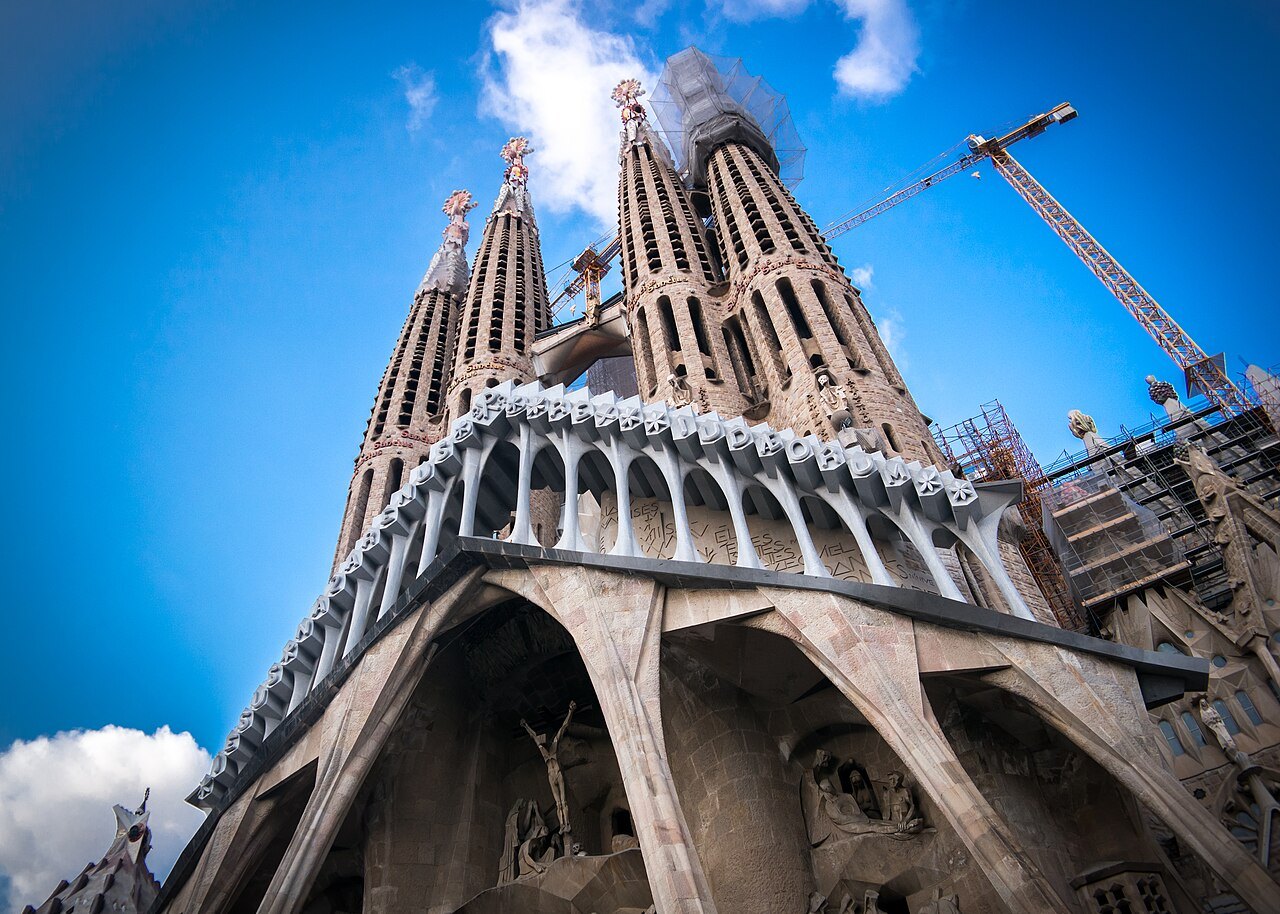 The Sagrada FamíliaGaudí's basilica, begun on 19 March 1882 and consecrated by Pope Benedict XVI on 7 November 2010; its central Tower of Jesus Christ reached 566 feet on 20 February 2026, making it the tallest church in the world.Eixample
- 2
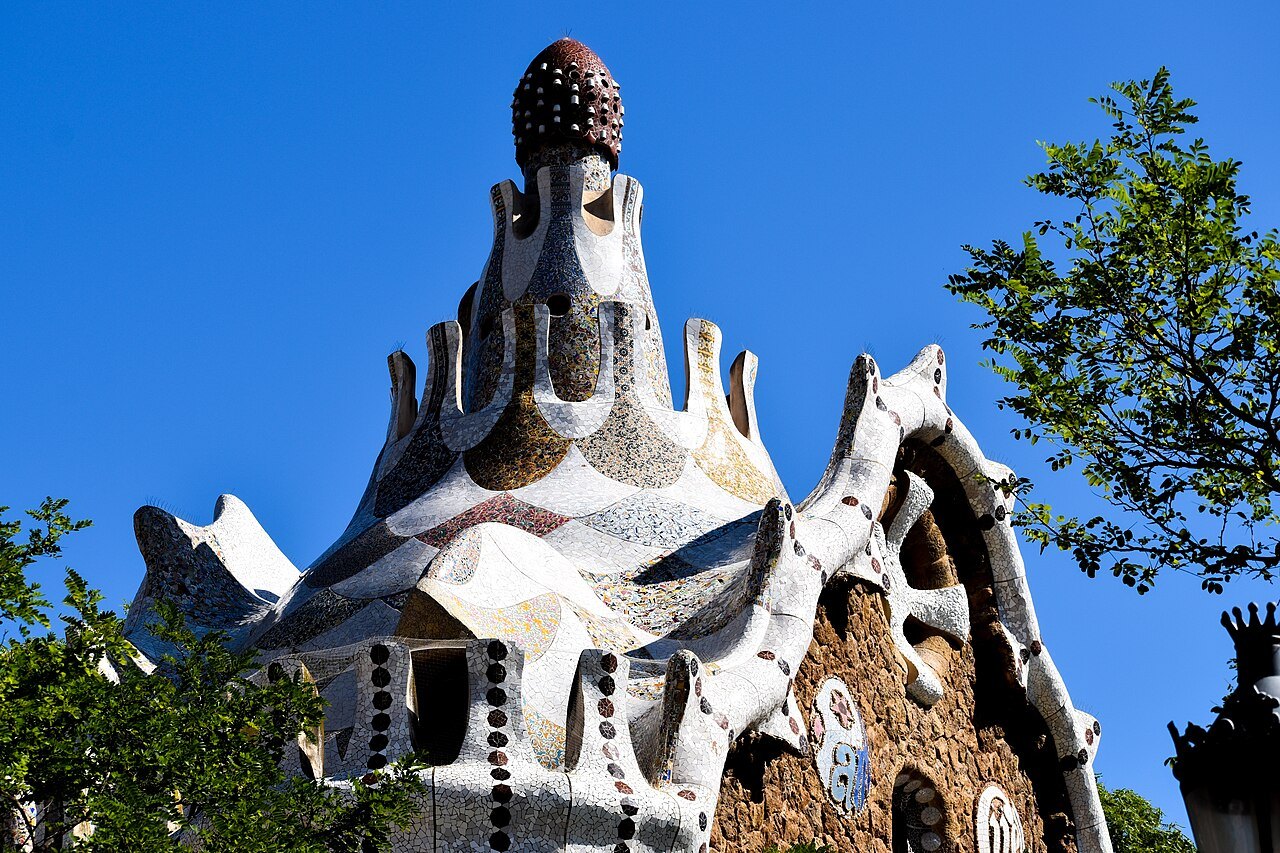 Park GüellA garden city of terraces and mosaics that Eusebi Güell commissioned from Gaudí, built between 1900 and 1914 and opened to the public in 1926.Gràcia · Turó del Carmel
- 3
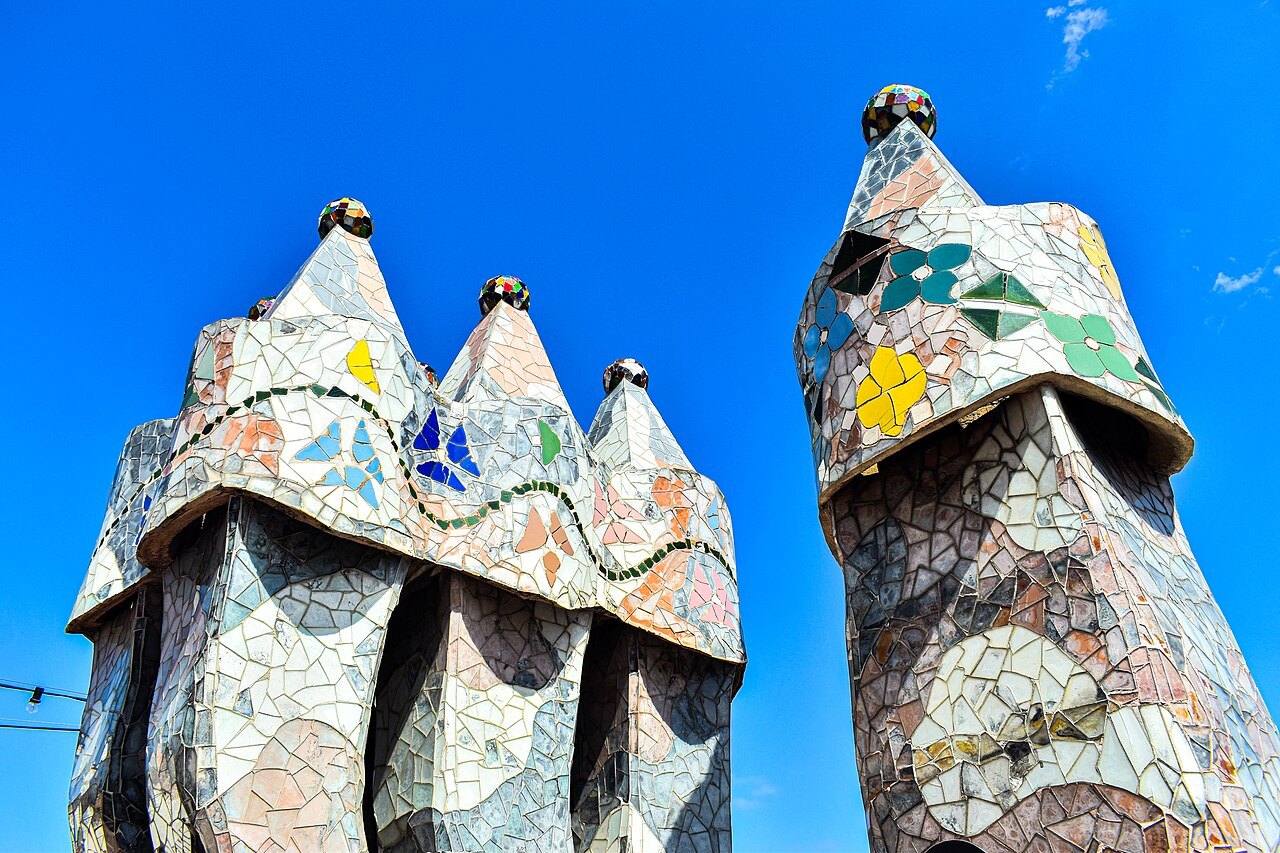 Casa BatllóA house redesigned by Gaudí in 1904, with a façade decorated in trencadís, a mosaic of broken ceramic tiles, on the Illa de la Discòrdia.Eixample · Passeig de Gràcia
- 4
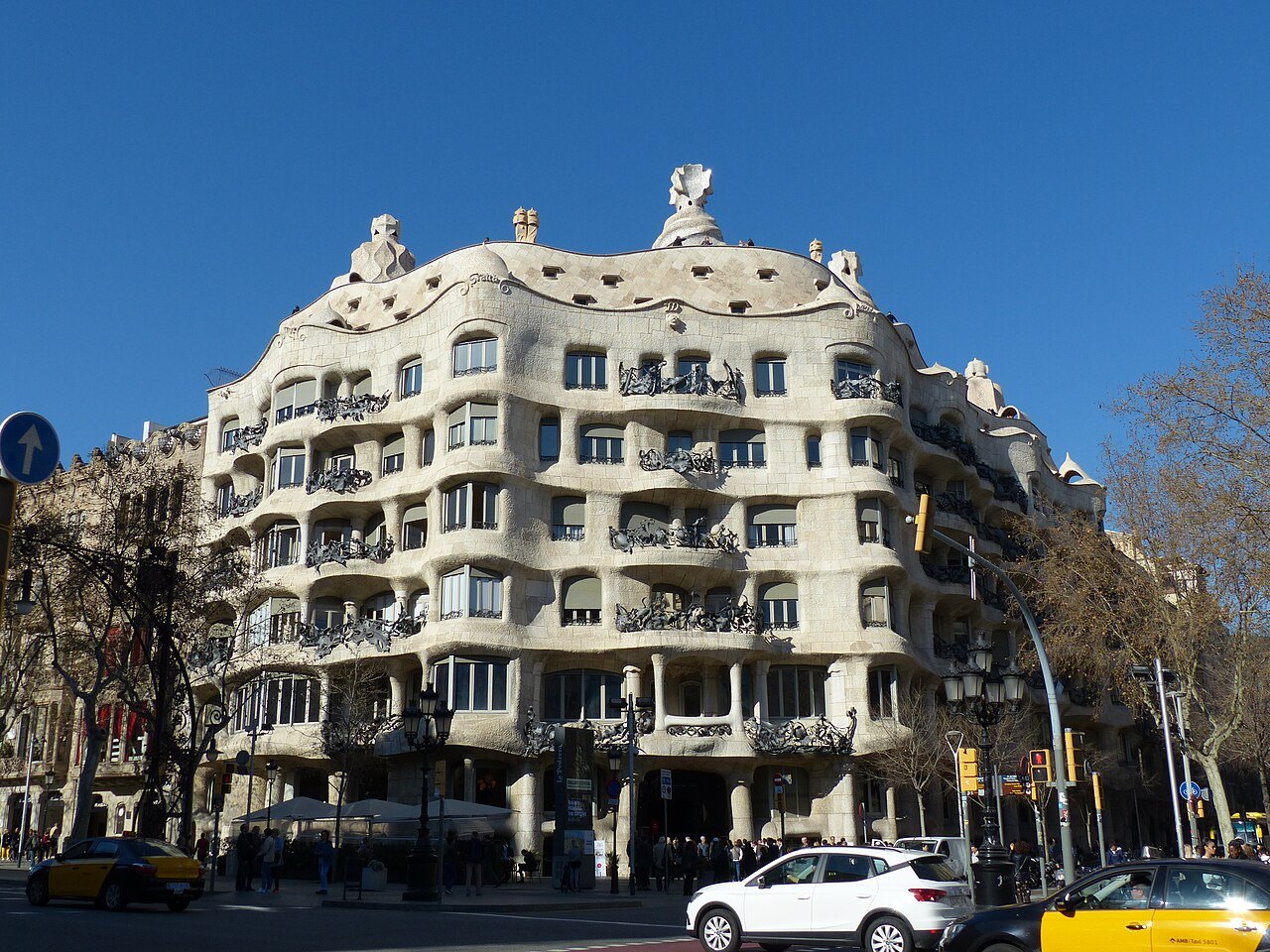 Casa Milà (La Pedrera)The last private residence Gaudí designed, built between 1906 and 1912 and nicknamed La Pedrera, the stone quarry, for its rough-hewn stone façade.Eixample · Passeig de Gràcia
- 5
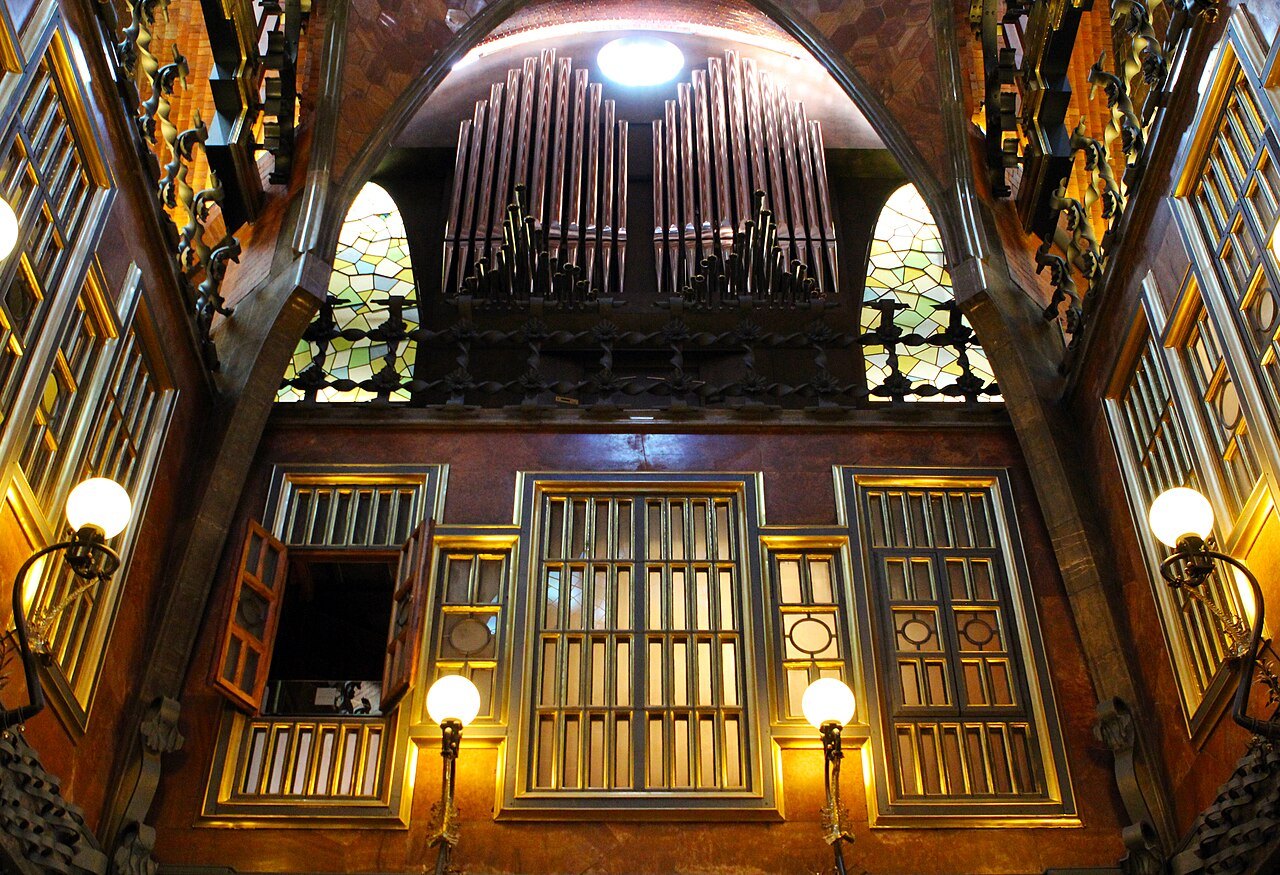 Palau GüellThe mansion Gaudí designed for Eusebi Güell and built between 1886 and 1888, entered through iron gates with a parabolic arch.El Raval
- 6
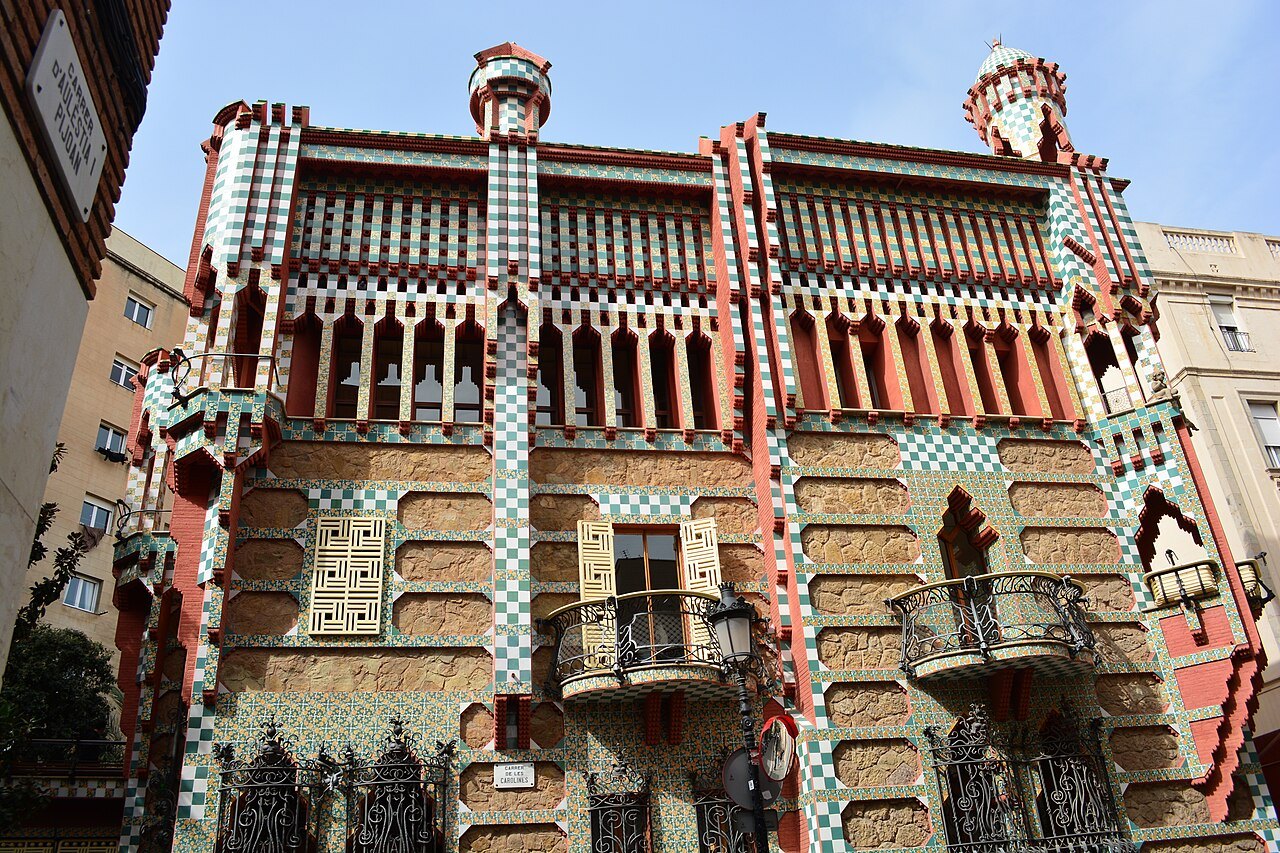 Casa VicensGaudí's first major project, built between 1883 and 1885 in the then independent town of Gràcia, in an orientalist style close to Neo-Mudéjar.Gràcia
- 7
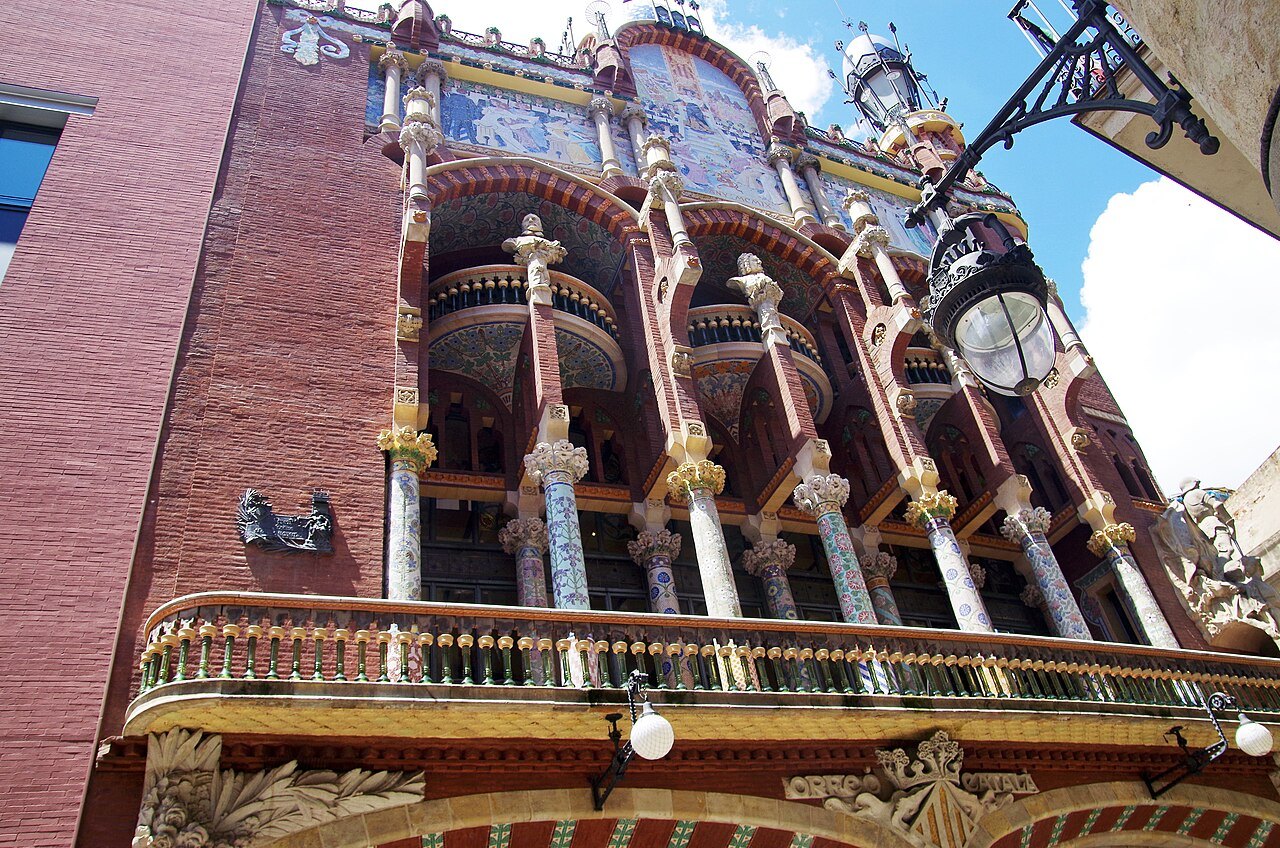 The Palau de la Música CatalanaA concert hall by Lluís Domènech i Montaner, built between 1905 and 1908 for the choral society Orfeó Català and inaugurated on 9 February 1908.Sant Pere · Ciutat Vella
- 8
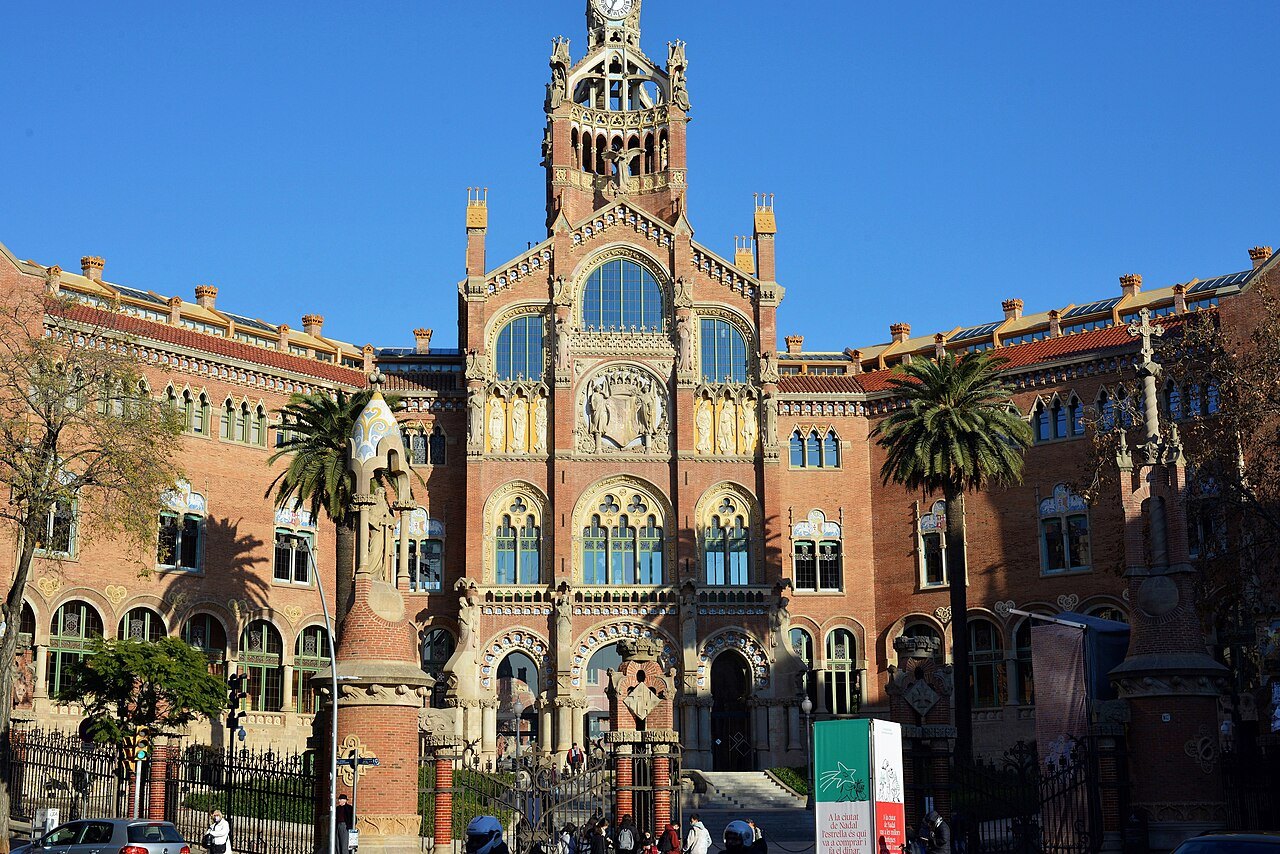 The Hospital de Sant PauThe largest complex built in Art Nouveau style, by Domènech i Montaner between 1901 and 1930; a working hospital until June 2009, reopened as a museum and cultural center in 2014.El Guinardó
- 1
The old city
A Roman camp, a Gothic cathedral and the street that runs to the sea- 9
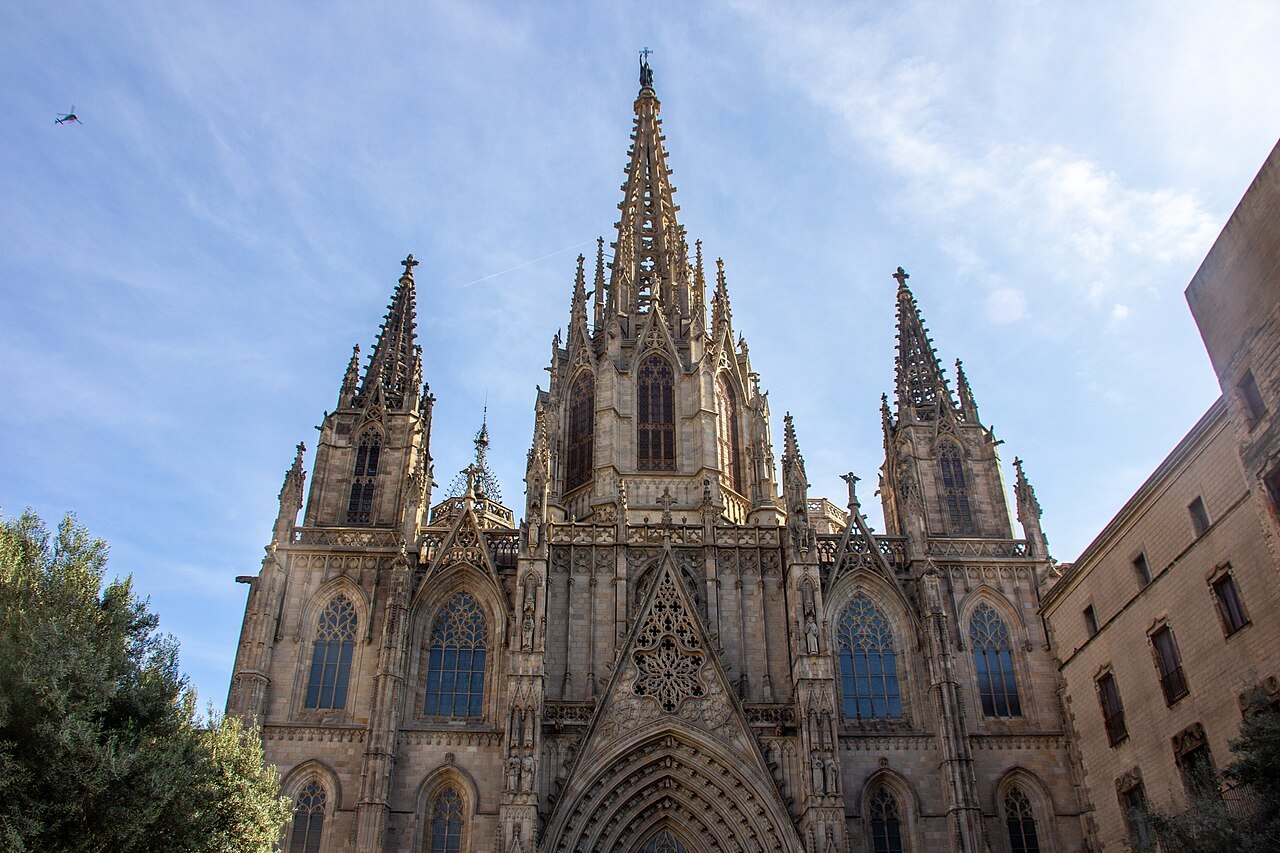 Barcelona CathedralThe cathedral of the Holy Cross and Saint Eulalia, built from the thirteenth to the fifteenth centuries, with a cloister finished in 1448 that encloses the Well of the Geese.Gothic Quarter
- 10
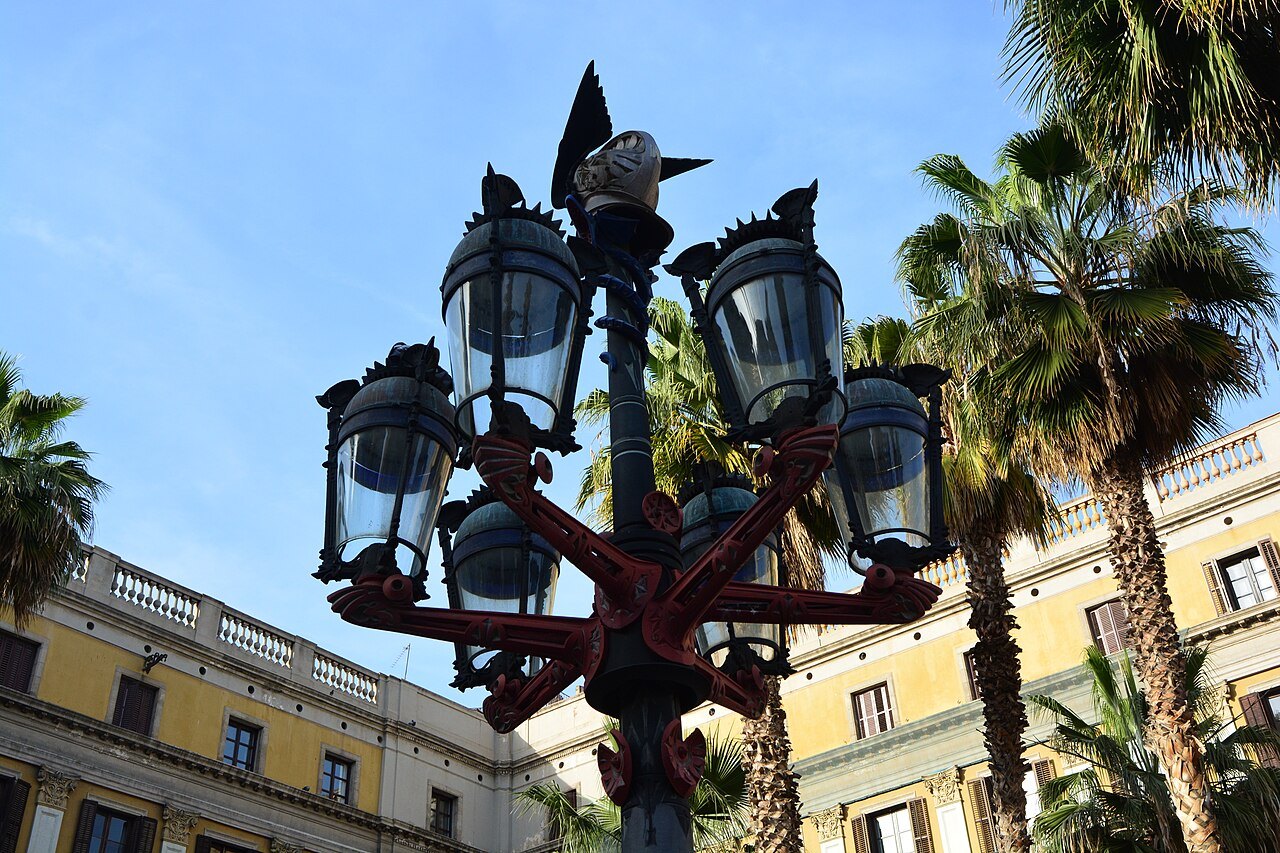 The Gothic QuarterThe historic center of the old city, from La Rambla to Via Laietana, with a stretch of Roman wall; much of what you see dates to the nineteenth and early twentieth centuries.Ciutat Vella
- 11
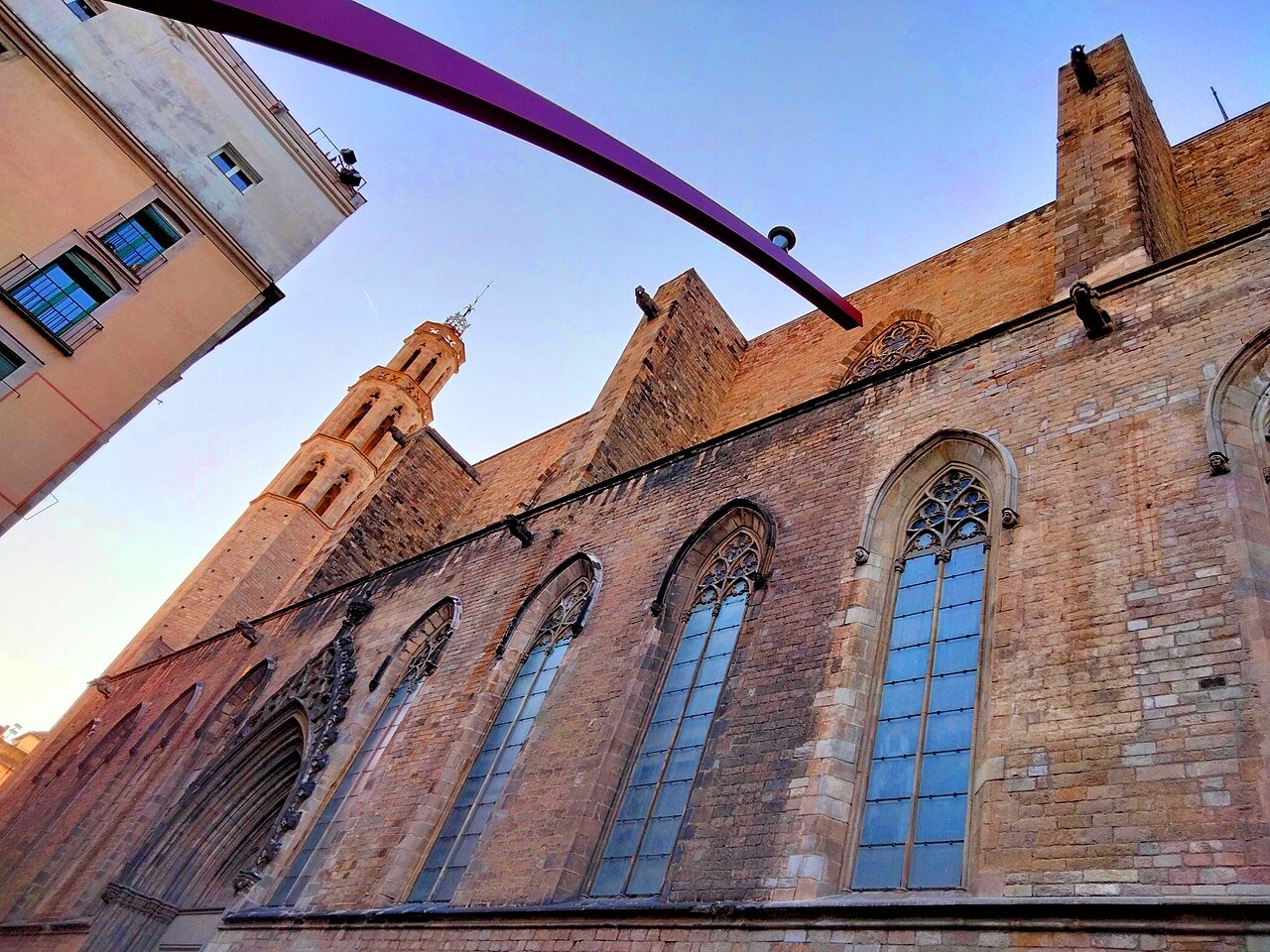 Santa Maria del MarA church of Catalan Gothic built between 1329 and 1383 by the people of the Ribera quarter, remarkable for the purity and unity of its style.La Ribera · Ciutat Vella
- 12
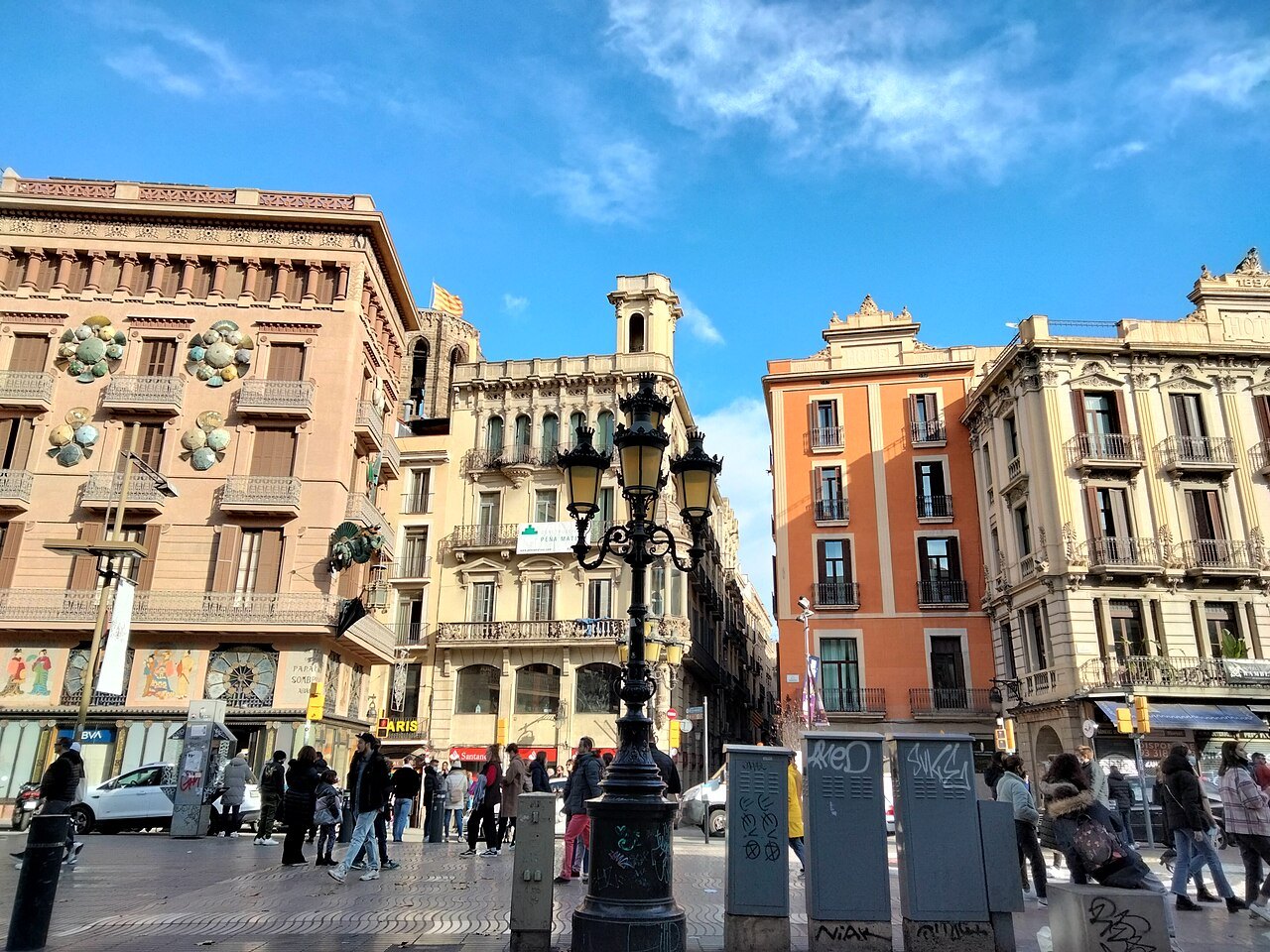 La RamblaA tree-lined pedestrian street three-quarters of a mile long, from the Plaça de Catalunya to the Columbus Monument, between the Gothic Quarter and El Raval.Ciutat Vella
- 13
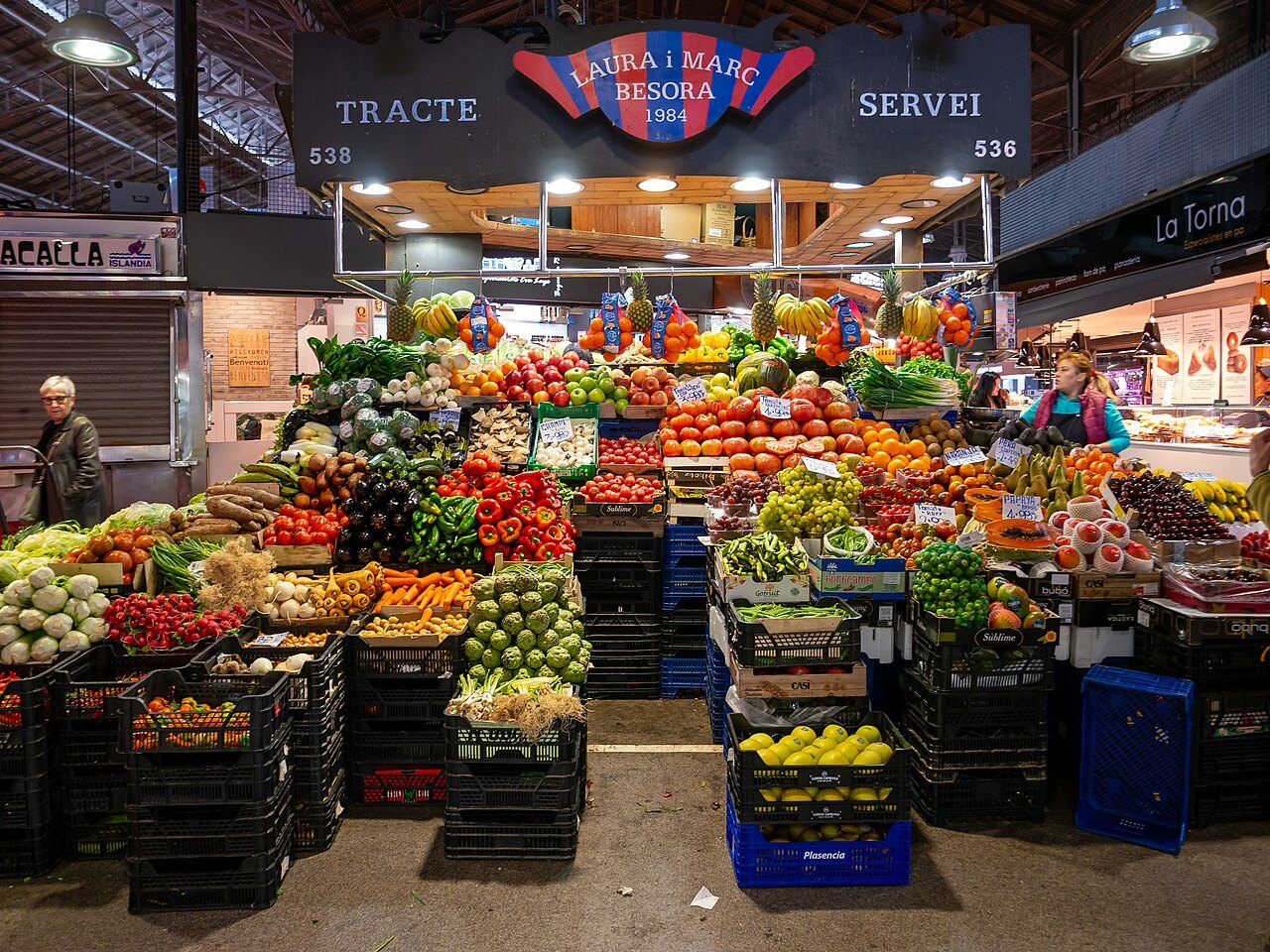 La BoqueriaA large public market with an entrance from La Rambla; the first mention of a market here dates from 1217.Ciutat Vella · La Rambla
- 9
The hills
Montjuïc, a pavilion of 1929 and the summit of Tibidabo- 14
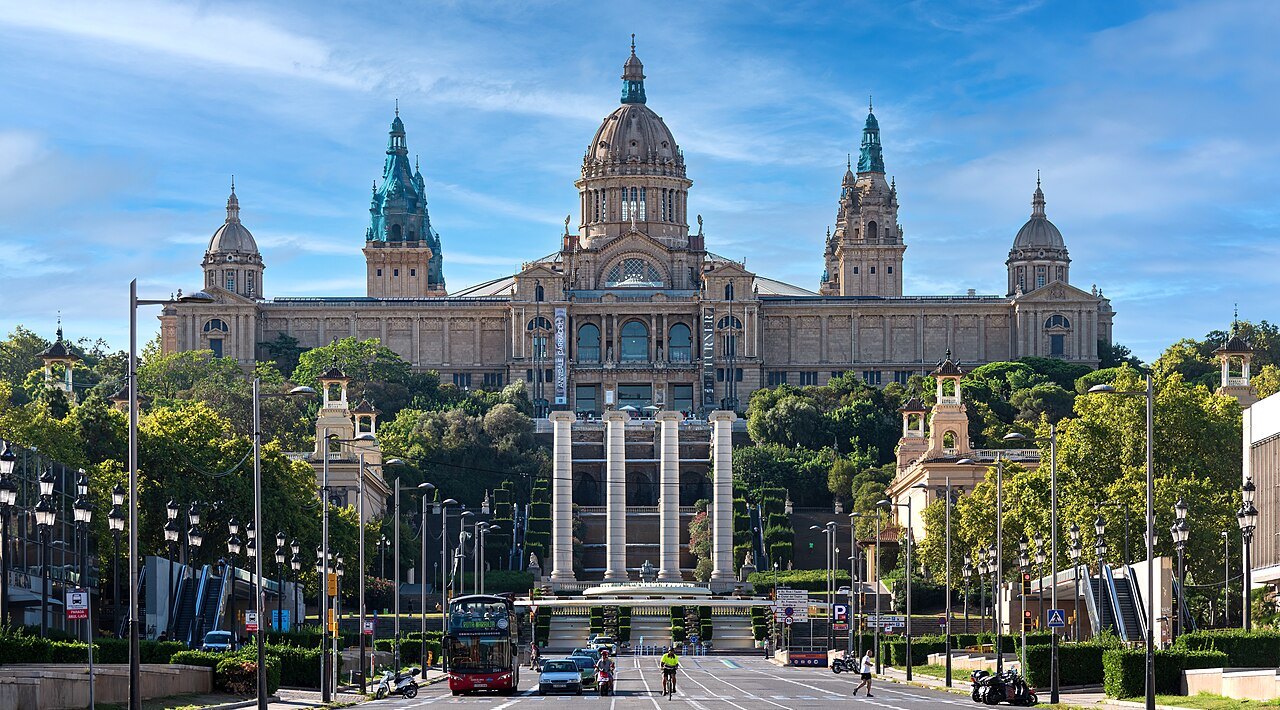 MontjuïcA hill between the sea and the Llobregat, site of the 1929 International Exposition and of venues for the 1992 Olympics, with a castle that dates to the seventeenth century.Sants-Montjuïc
- 15
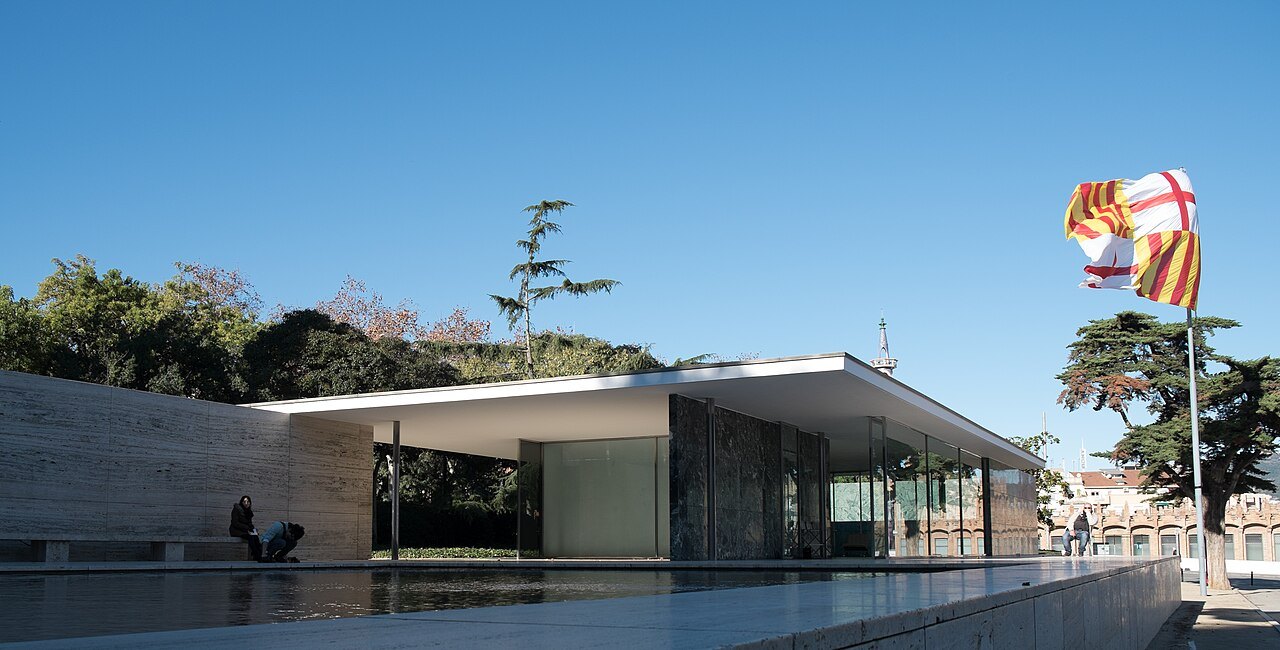 The Barcelona PavilionMies van der Rohe and Lilly Reich's German Pavilion for the 1929 International Exposition, demolished in 1930 and reconstructed in 1986.Montjuïc
- 16
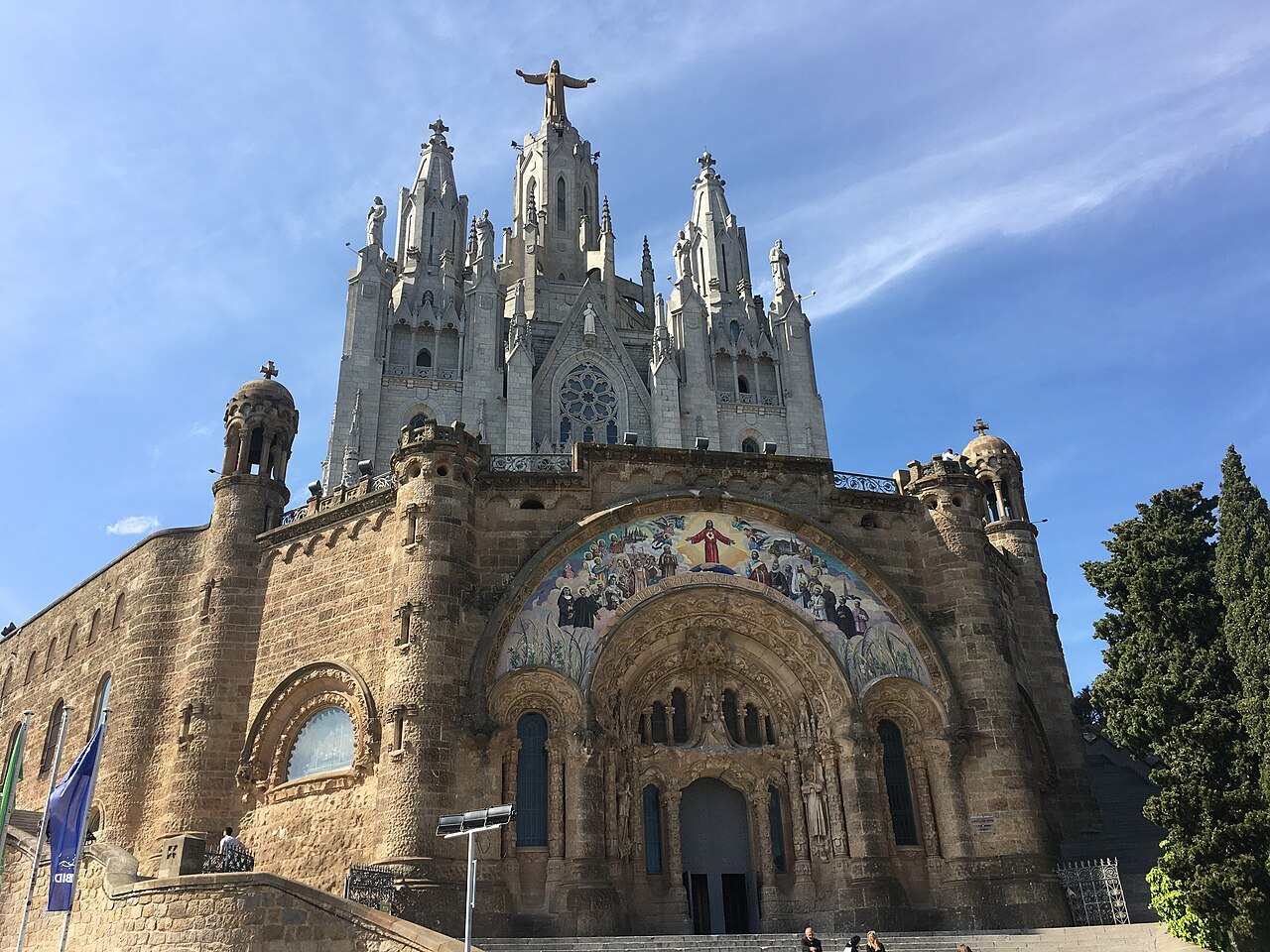 TibidaboThe tallest hill of the Serra de Collserola at 512 meters, crowned by the Sagrat Cor church, which Enric Sagnier began in 1902, and an amusement park.Collserola
- 14
The sea
The beach quarter and the old harbor- 17
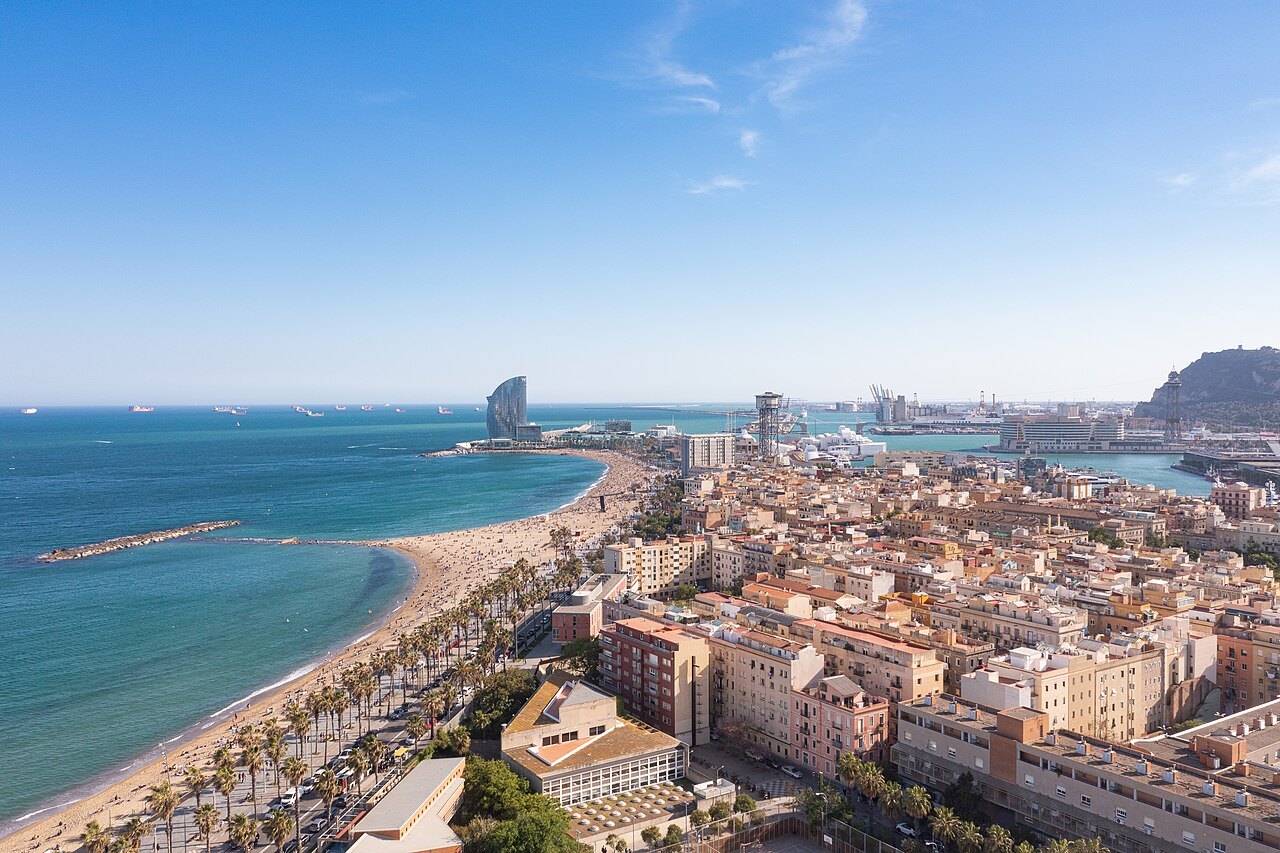 La BarcelonetaA neighborhood of narrow streets built in the eighteenth century for residents displaced by the construction of the Ciutadella, beside the city's sandy beaches.Ciutat Vella · seafront
- 18
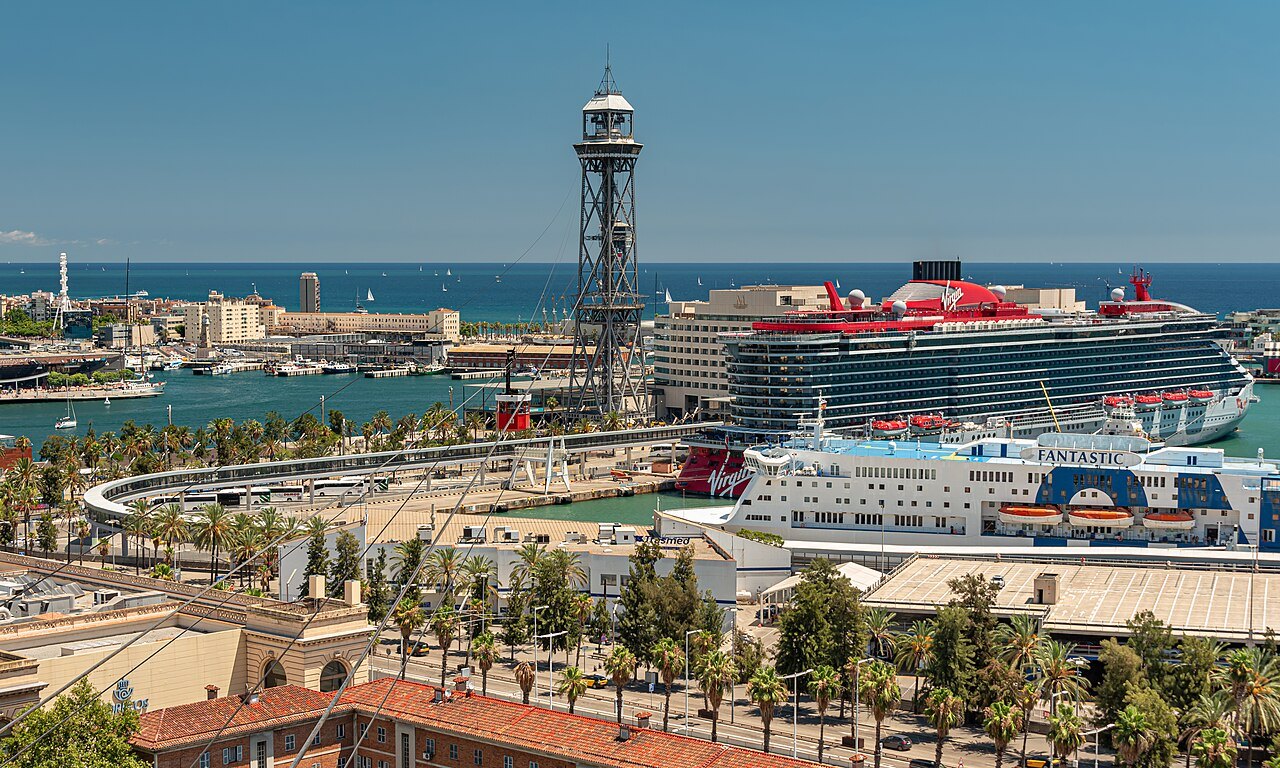 Port Vell and the Columbus MonumentThe old harbor, rebuilt before the 1992 Olympics, joined to La Rambla by the Rambla de Mar and marked by the Columbus Monument raised for the 1888 exposition.Ciutat Vella · waterfront
- 17
The park and the tower
A citadel turned park, and a skyscraper at the gateway of Poblenou- 19
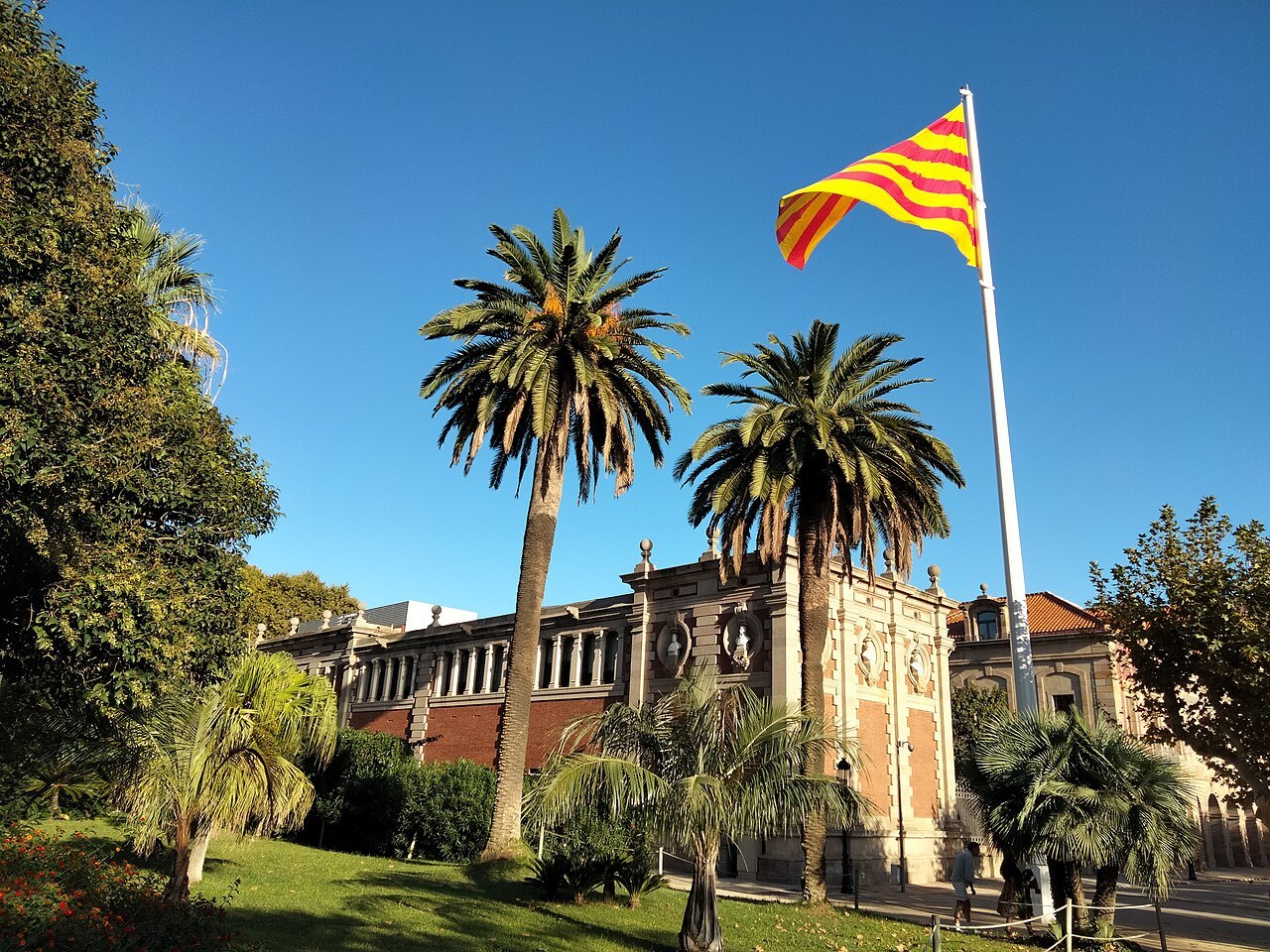 The Parc de la Ciutadella and the Arc de TriomfA park of 77 acres that was for decades the city's only green space, home to the Parliament of Catalonia and the triumphal arch that was the gateway of the 1888 exposition.Ciutat Vella · La Ribera
- 20
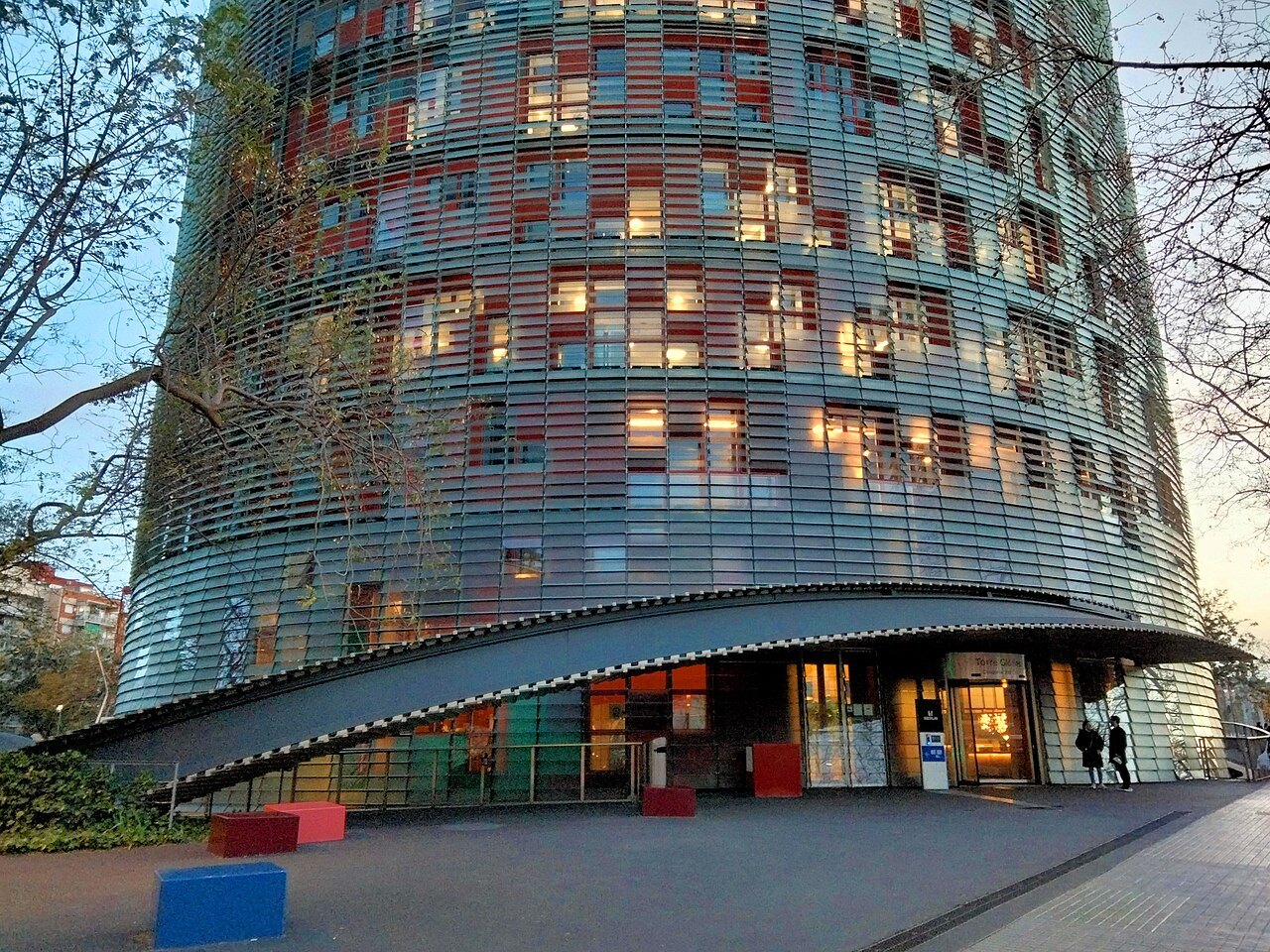 Torre GlòriesA 38-story tower by Jean Nouvel, opened in 2005, formerly known as Torre Agbar, at the gateway of the Poblenou technology district.Sant Martí · Poblenou
- 19
The Sights
In full
Twenty places, five groups
Barcelona's best-known places divide naturally into five groups: the buildings of Gaudí and the other Modernistes, the old city, the hills, the sea, and the park and tower of the northeast. The twenty pages in this guide each take one place and explain what it is, what to look at and how it fits the city.
A group is a day's walk or less, so the groups also work as a way to plan. The itineraries guide arranges them into routes of one to five days.
Gaudí and the Modernistes
The first group is Catalan Modernisme, the art nouveau of Barcelona, active from roughly 1888 to 1911. The Sagrada Família is the best known, a basilica begun in 1882 whose central tower reached full height in 2026. Park Güell is the hillside garden laid out between 1900 and 1914 for an estate that was never built, and Casa Vicens is the first house Gaudí designed, built between 1883 and 1885 in what was then the separate town of Gràcia.
On the Passeig de Gràcia stand Casa Batlló, the house of bones remodeled between 1904 and 1906, and Casa Milà, the last private residence Gaudí designed, built from 1906 to 1912. Near the Rambla, the Palau Güell is a mansion of 1886 to 1888 for Eusebi Güell. The group is completed by two works of Lluís Domènech i Montaner, the Palau de la Música Catalana, a concert hall of 1905 to 1908, and the Hospital de Sant Pau, a complex of pavilions built between 1901 and 1930. Six of the eight are by Gaudí, and the two Domènech buildings are listed together by UNESCO.
Read in order, the group shows Gaudí's development from the tiled, orientalist Casa Vicens through the sculpted mansion and the two houses on the Passeig de Gràcia to the unfinished basilica, with Domènech's rational, brick-and-glass buildings as a counterpoint. The Block of Discord and the movement itself are explained in the guide to Gaudí and Modernisme.
The old city
The old city, Ciutat Vella, is where Barcelona began. The cathedral was begun in 1298 and has a neo-Gothic facade finished in 1913, and around it lies the Gothic Quarter, a maze of lanes that incorporates Roman wall fragments and much medieval restoration. Santa Maria del Mar, built between 1329 and 1383 with the backing of the neighborhood's guilds, is the best of the city's Catalan Gothic churches.
La Rambla is the promenade that follows the course of a former stream between the Plaça de Catalunya and the harbor, and La Boqueria, the market that opens off it, has been a place of trade since at least 1217. Together they make a day that is best done slowly on foot.
The Gothic Quarter is not only medieval: much of its fabric dates to restoration carried out for the 1929 exposition and continued into the 1960s, so it is as much a record of how Barcelona imagined its past as of the past itself. The Boqueria's iron roof is from 1914, and the cathedral's facade from 1913.
The hills
Two hills frame the city. Montjuïc, southwest of the center, was a quarry, a fortress and the site of the 1929 International Exposition and the 1992 Olympic Games, and now holds museums, gardens and the Palau Nacional. At its foot stands the Barcelona Pavilion, Mies van der Rohe's glass and marble room, demolished in 1930 and rebuilt in 1986.
Tibidabo, at five hundred and twelve meters the highest hill in the Serra de Collserola, carries a church, an amusement park and a telecommunications tower, and looks down over the whole city.
The two hills are very different. Montjuïc is a broad, low hill by the sea, layered with the buildings of two world events, while Tibidabo is a wooded ridge in the Collserola park, which was established in 1987 and is one of the largest metropolitan parks in the world.
The sea
The sea side of Barcelona is La Barceloneta, a fishermen's quarter laid out from 1754 with the city's liveliest beach, and the Port Vell, the old harbor rebuilt before the 1992 Olympics. Between them they show how a city that long lacked a good port came to face the sea.
Both are easy to reach by metro, and the harbor tramway links them with Montjuïc in the air.
Barceloneta also keeps a museum in a house of 1761, the Casa de la Barceloneta, and the Palau de Mar, which holds the History Museum of Catalonia, stands on the quay between the beach and the old harbor, so the sea side has indoor stops for a day of poor weather.
The park and the tower
The last group is the northeast. The Parc de la Ciutadella stands on the site of a fortress built after the siege of 1714 and torn down in the nineteenth century; it holds the Parliament of Catalonia, a zoo and a cascade. The Torre Glòries, Jean Nouvel's bullet-shaped skyscraper opened in 2005, is the symbol of the Poblenou technology district.
The two show the city across the centuries, from a hated citadel to a gateway to a new quarter.
Both are good for a different kind of visit: the Ciutadella for sitting by the lake or walking under the trees, and the Torre Glòries for its facade of colored metal, which changes color with the light, and for its illumination at night, when more than four thousand five hundred LED devices turn the exterior into a screen.
How to choose
A first visit of a few days needs only a handful of these places: the Sagrada Família and one or two of the Gaudí houses, the cathedral and the Gothic Quarter, Santa Maria del Mar, a stretch of the Rambla with the Boqueria, and either Park Güell or Montjuïc. A longer stay can add the sea, the park and the northern slopes.
Whatever you choose, remember that Barcelona is a city of neighborhoods, and the best use of a sight is often the street you walk to reach it.