La Rambla: the street that was a river
What you are looking at
Ciutat Vella
- 1Canaletes fountainThe first of the Rambles, where the Font de Canaletes marks the top of the street.
- 2The flower stallsThe Rambla de Sant Josep, once called the Rambla of the Flowers, holds the open-air flower market.
- 3The LiceuThe opera house that now stands on the site of a former Capuchin monastery.
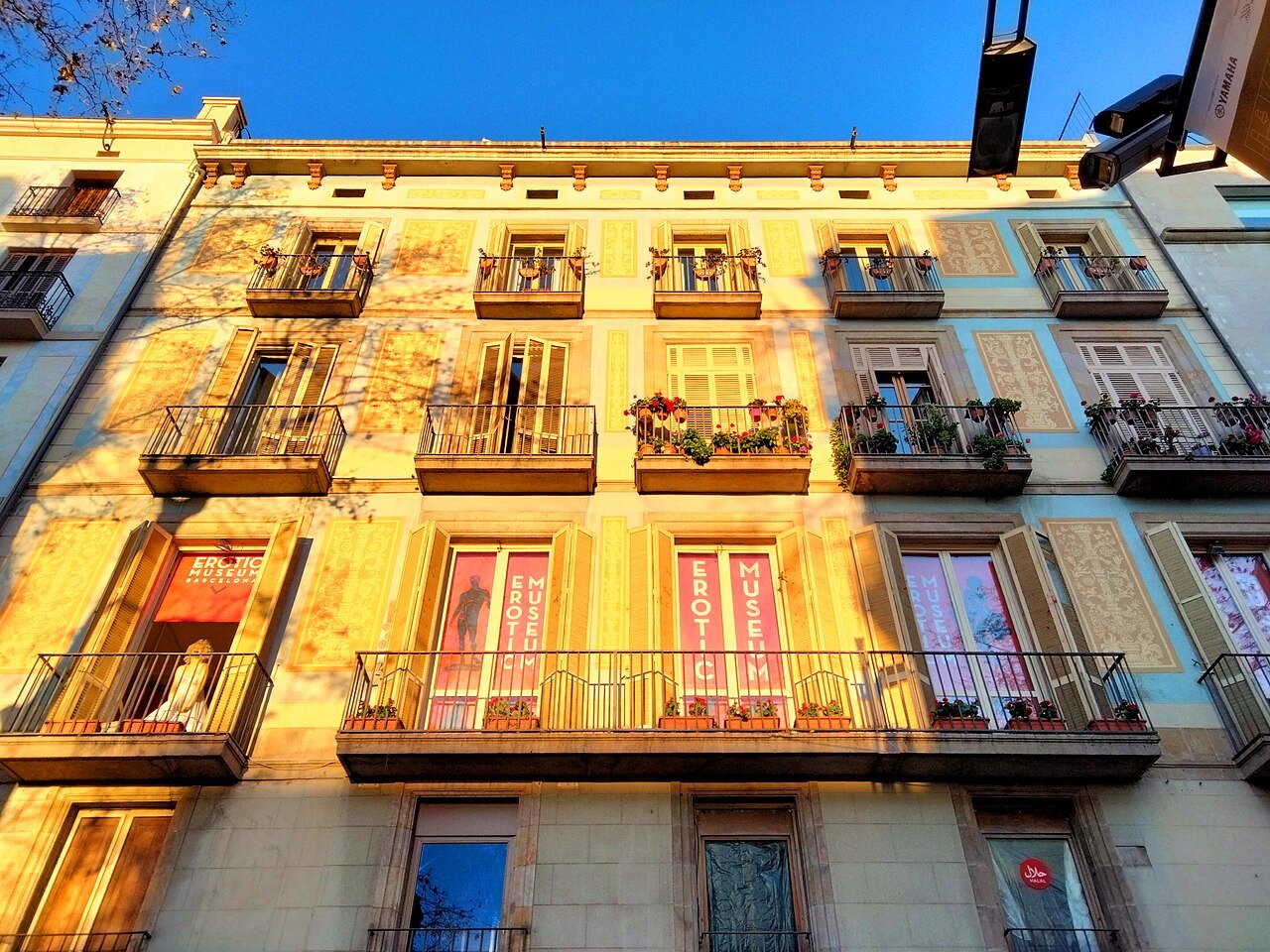
- 4La BoqueriaThe market with its entrance on the Rambla, a short walk from the Liceu.
- 5The Columbus MonumentThe column that marks the end of the street, beside the old port.
Reading the place
The sight in full
A watercourse turned street
The course of La Rambla was originally a sewage-filled stream, usually dry but an important drain for the heavy rainwater that flowed down from the Collserola hills in spring and autumn. The word rambla comes from the Arabic for sand, and in Catalan it means a wadi, the bed of a seasonal stream. The stream separated the walled city on its northeast bank from the settlements of El Raval, the suburb, on its southwest.
In 1377 construction began on an extension of the city walls to take in La Rambla and El Raval. In 1440 the stream was diverted to run outside the new walls, and the Rambla gradually began turning into a street.
Plural in Catalan
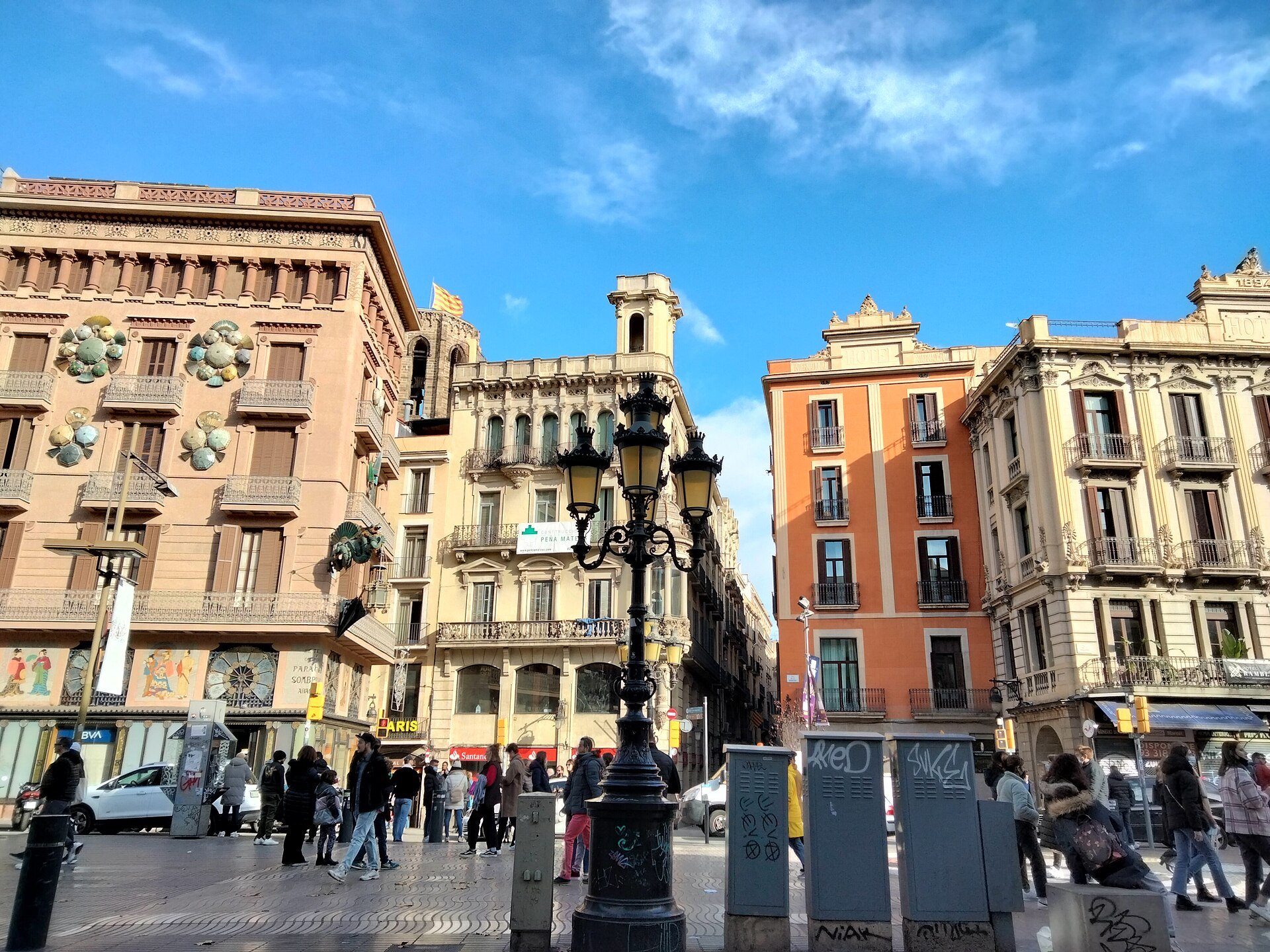
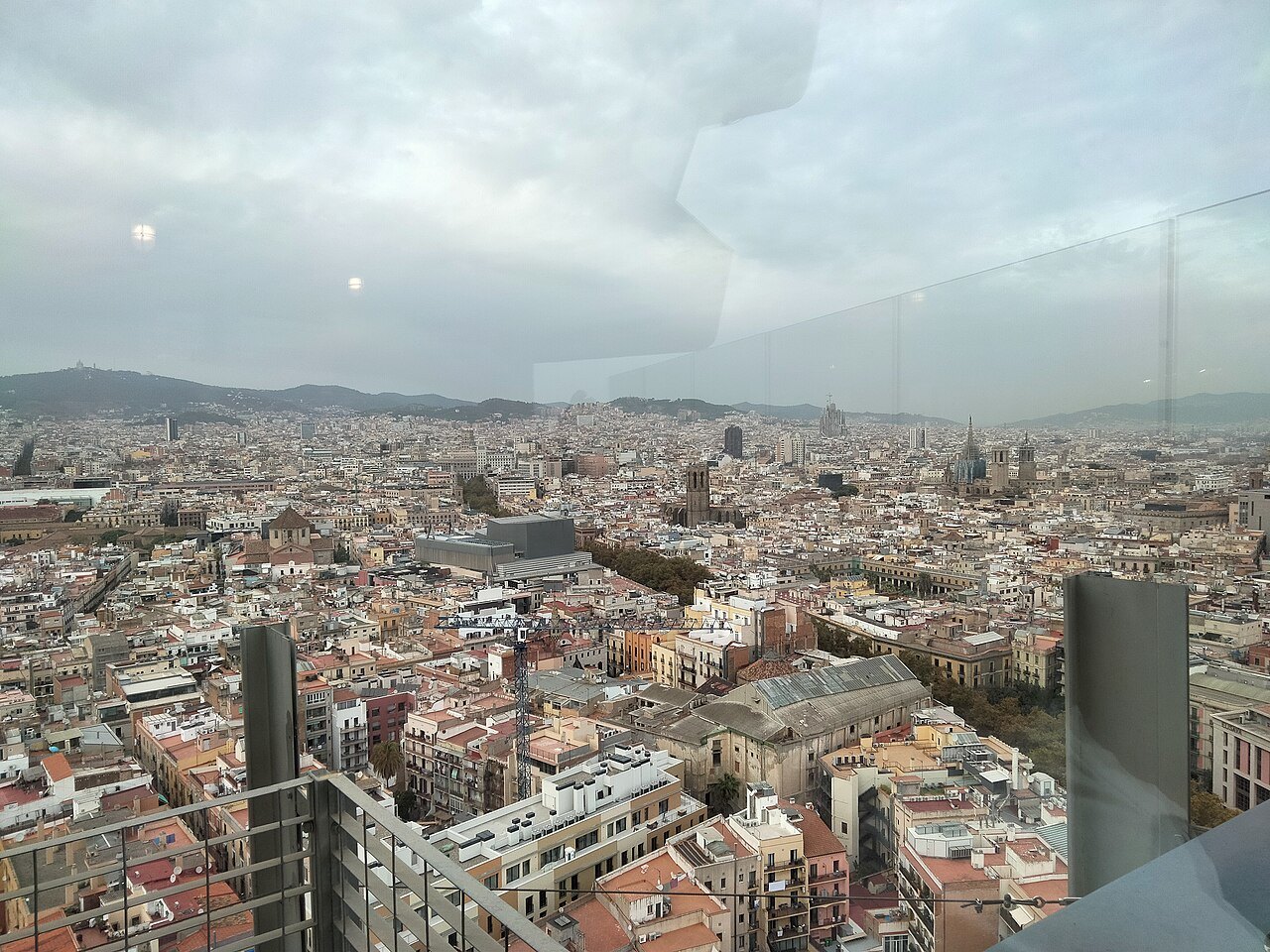
The street is really a series of shorter streets, each differently named, which is why the Catalan form is the plural, Les Rambles. From the top: the Rambla de Canaletes, with the Font de Canaletes fountain; the Rambla dels Estudis, where a Jesuit university stood and only the Church of Bethlehem remains; the Rambla de Sant Josep, also called the Rambla de les Flors, with its open-air flower market; the Rambla dels Caputxins, named for a former Capuchin monastery and now dominated by the Liceu opera house; and the Rambla de Santa Mònica, an arts center named for a convent.
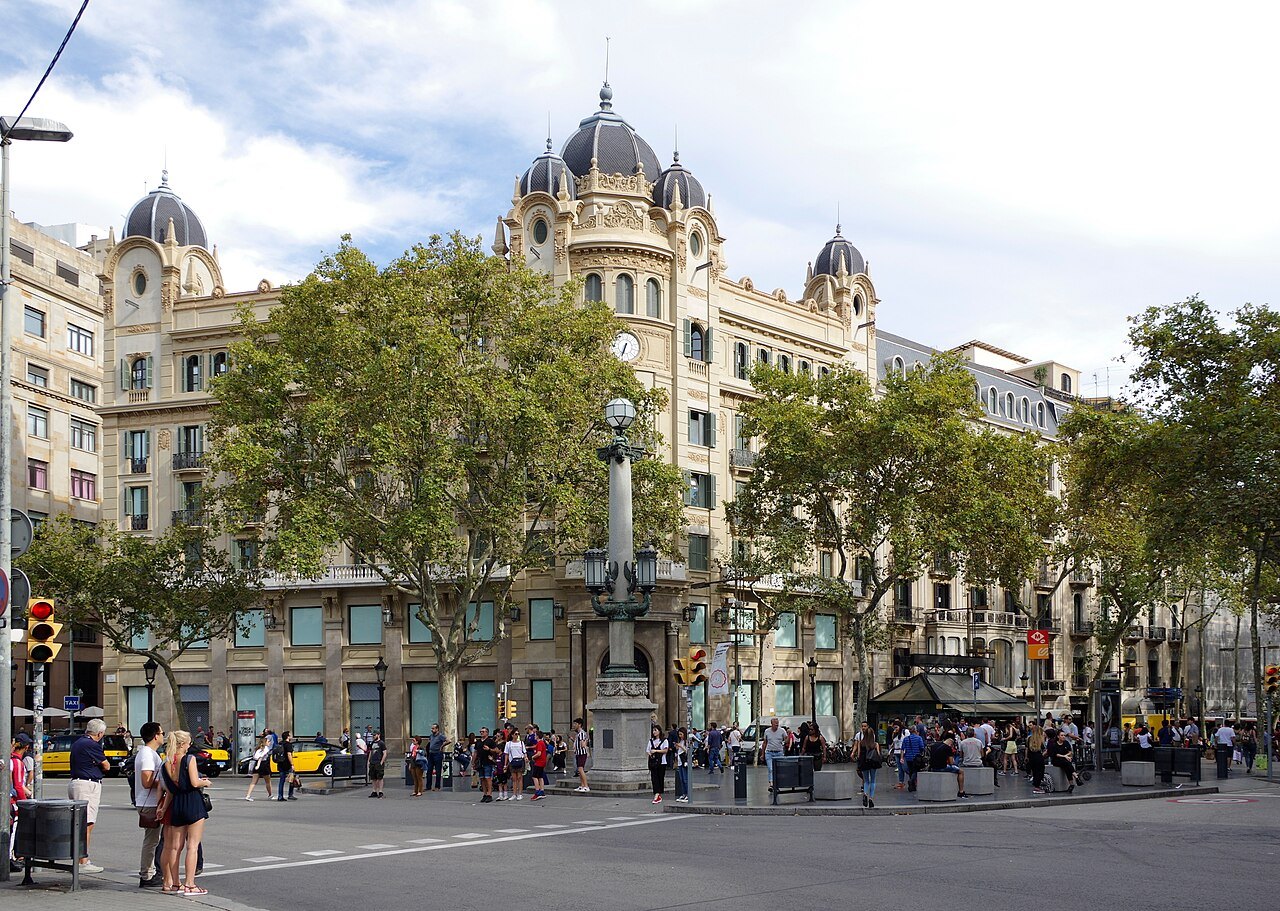
Beyond the ends, extensions carry the name too, though they are not counted as part of La Rambla itself: the Rambla de Catalunya runs north into the Eixample, and a wooden walkway built with the Maremàgnum in the early 1990s carries the Rambla onto the Rambla de Mar in the harbor.
Between two cities
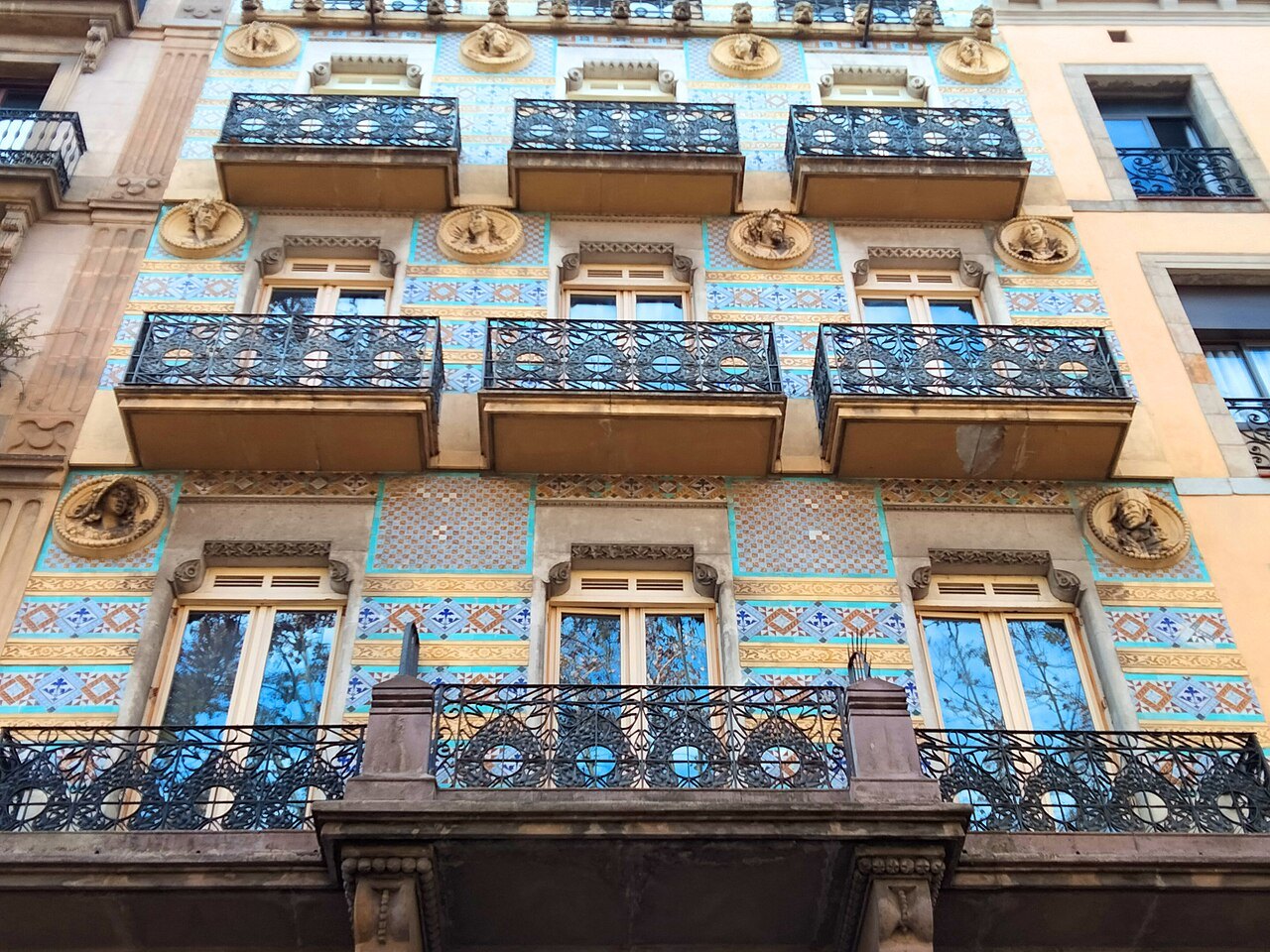
The Rambla is a boundary. To its east is the Gothic Quarter, with its labyrinthine street plan, and many of its small streets connect onto the Rambla. The Plaça Reial, a lively nineteenth-century square with tall palm trees and street lamps designed by Antoni Gaudí, opens off the Rambla dels Caputxins by a short passage. Farther in lie the cathedral and the Plaça Sant Jaume, where the Generalitat of Catalonia and the city council face each other.
To its west is El Raval, outside the earliest walls and originally the site of religious and medical institutions. Factories and workers' housing followed, and proximity to the port gave the area a name for nightlife. It still has a degree of edge, as one source puts it, but it also holds important buildings, among them Gaudí's Palau Güell, a few steps down Carrer Nou de la Rambla.
Trees, monasteries and money
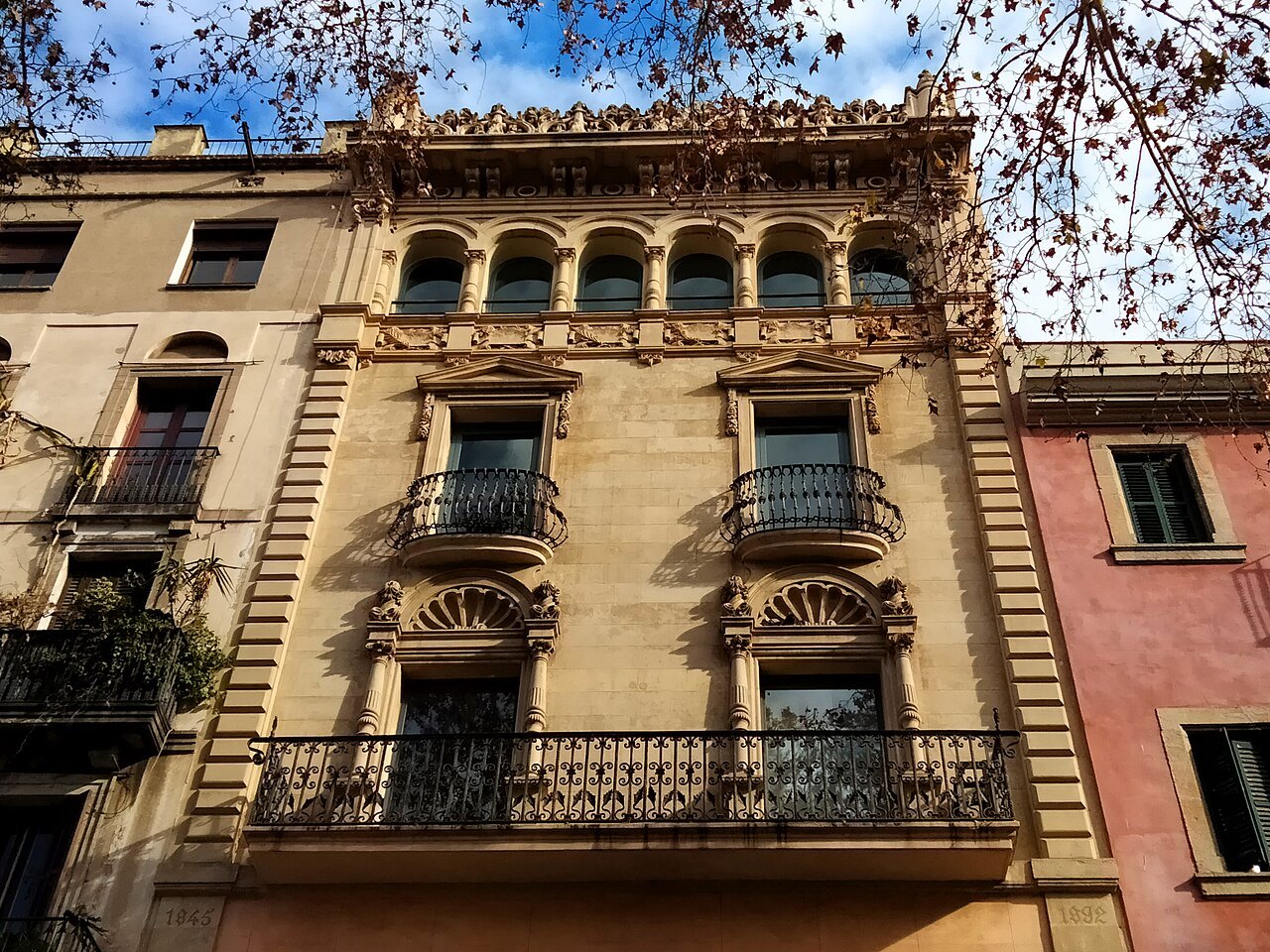
The first trees on the Rambla were planted in 1703: two hundred and eighty birches, later replaced by elms. Acacias went in in 1832, and the plane trees that stand today became the common tree from 1859. Over the centuries the street became the established center of urban life, a long wide thoroughfare used for festivals, markets and sports, and large religious houses were built along it: the Jesuit Bethlehem monastery and college of 1553, a Carmelite monastery on the site of the present Boqueria, and the Capuchin monastery at the lower end.
In the late nineteenth century many Catalans who had made fortunes in Spanish America, including from slave plantations and the slave trade, returned after abolition and built opulent mansions in places such as the Rambla. A German historian, Michael Zeuske, has argued that the street was built on the backs of slaves, though a British newspaper called that an exaggeration.
Riots and war
The street's religious buildings suffered in several conflicts. The most notable was the St. James's Night riots of 1835, when revolutionaries burned monasteries and churches and killed a number of friars. During the Spanish Civil War of 1936 to 1939 Barcelona came under the control of anarchists, who again targeted religious buildings and personnel, and the area was damaged by artillery and air attack from Franco's forces.
More recently, the open-air bird and small-pet market on the Rambla dels Estudis, which had run until 2010, was forced to close when animal protection laws made it impossible to continue.
What to look at
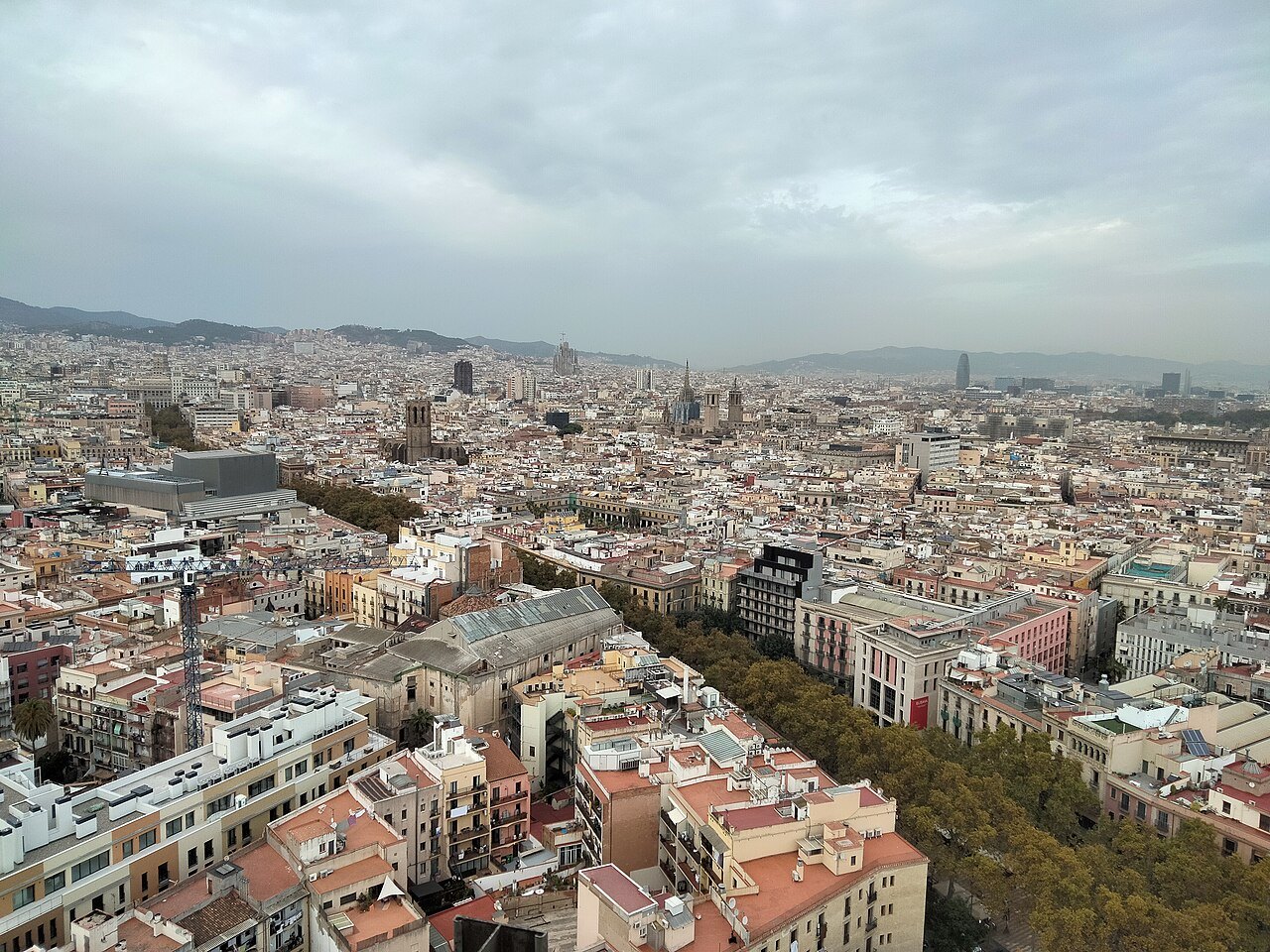
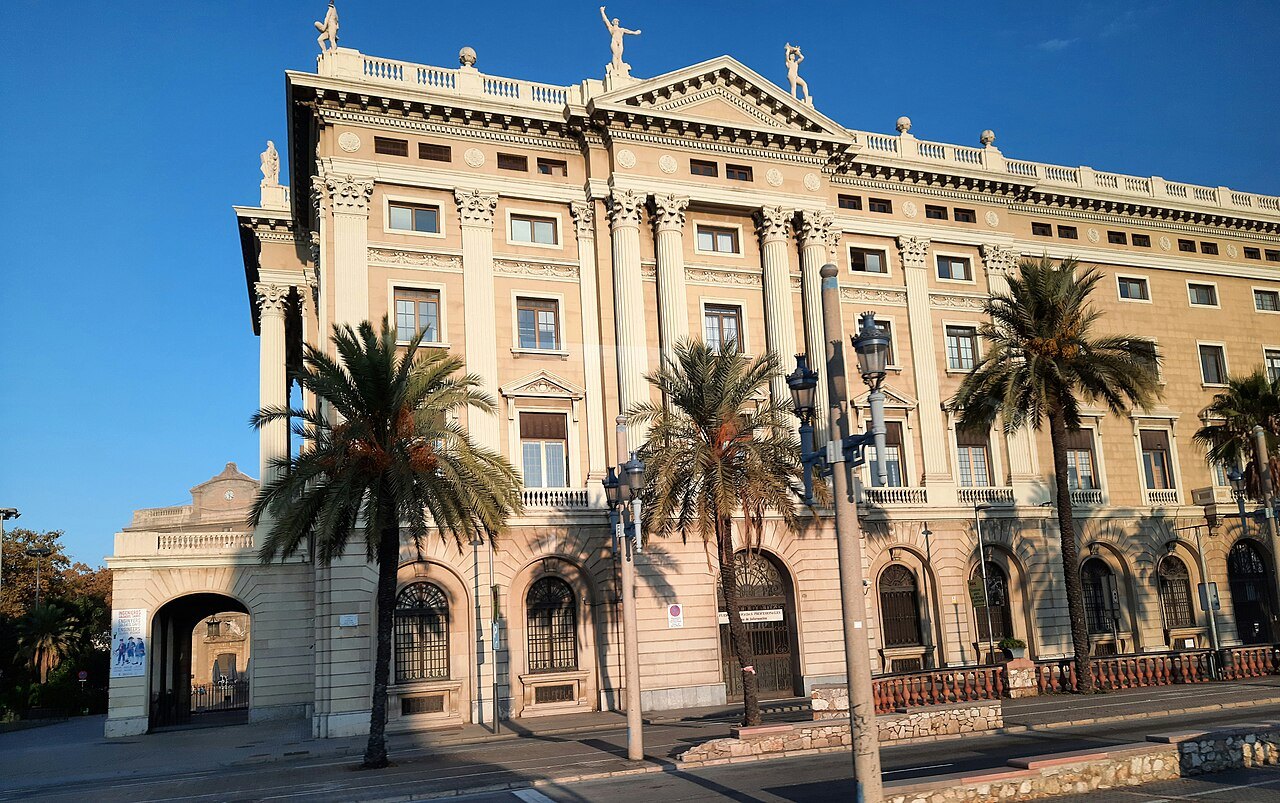
The tree-lined central promenade is crowded during the day and until late at night, and the paving reflects its origin as a watercourse. Near the harbor end are the Royal Dockyards, the Drassanes, which house a maritime museum devoted to the naval history of the Mediterranean.
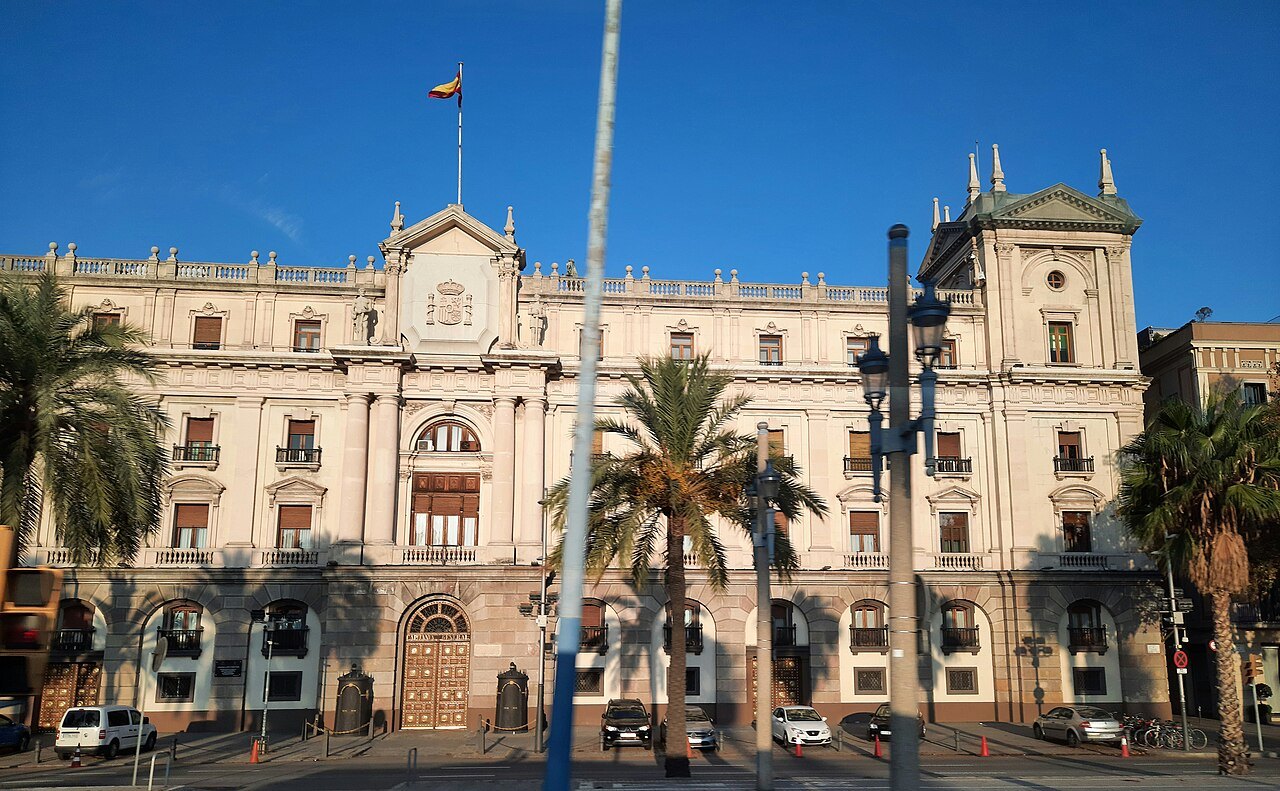
At the very bottom is the Christopher Columbus Monument and the Port Vell, the old port, now largely given over to pleasure craft. The poet Federico García Lorca is quoted as saying that the Rambla was the only street in the world that he wished would never end.
Reading it as a route
Treat the Rambla as a spine rather than a destination. The Boqueria market is a few doors off it, the Liceu and the Palau Güell are within a block, and the Gothic Quarter opens on one side, the Raval on the other. At the top, the Plaça de Catalunya is generally considered both the city center and the place where the old city and the nineteenth-century Eixample converge.
Walk it once from the top to the sea, then leave it for a parallel street. The street is at its best when it is a way to get somewhere. Along the way, look down: the paving is laid in a pattern that ripples like water, a reminder of the stream underneath, and a mosaic by Joan Miró is set into the walkway.
Nearby
Where to go next
- Nearby · Ciutat Vella · La RamblaLa BoqueriaThe Mercat de Sant Josep de la Boqueria, usually called La Boqueria, is a large public market in the Ciutat Vella district, with an entrance on La Rambla near the Liceu opera house.Read the page →
- Nearby · Ciutat VellaThe Gothic QuarterThe Gothic Quarter, El Gòtic, is the historic center of Barcelona's old city, running from the Rambla to Via Laietana.Read the page →
- Nearby · Ciutat Vella · waterfrontPort Vell and the Columbus MonumentPort Vell, literally the Old Harbor, is the waterfront harbor of Barcelona and part of the Port of Barcelona.Read the page →