Home · Sights · The Gothic Quarter
The Gothic Quarter: Barcelona's old city, rebuilt and real
What you are looking at
Ciutat Vella
- 1Roman BarcinoThe grid plan of the Roman colony is still visible in the layout of the historic center.
- 2The cathedralThe seat of the archbishop, with a neo-Gothic facade completed in 1913.
- 3El CallThe medieval Jewish quarter, with the former Sinagoga Major.
- 4The Flamboyant bridgeA stone bridge across Carrer del Bisbe, built in 1928 by Joan Rubió.
- 5Plaça del ReiThe courtyard whose underground holds Roman remains of the city history museum.
- 6The labyrinthNarrow streets opening onto small squares, mostly closed to regular traffic.
Reading the place
The sight in full
Where it is
The Gothic Quarter is the historic center of the old city of Barcelona. It stretches from La Rambla to Via Laietana, and from the Mediterranean seafront to the Ronda de Sant Pere, and it is part of the Ciutat Vella district. It is the oldest part of the city and includes the remains of the Roman wall and several notable medieval landmarks.
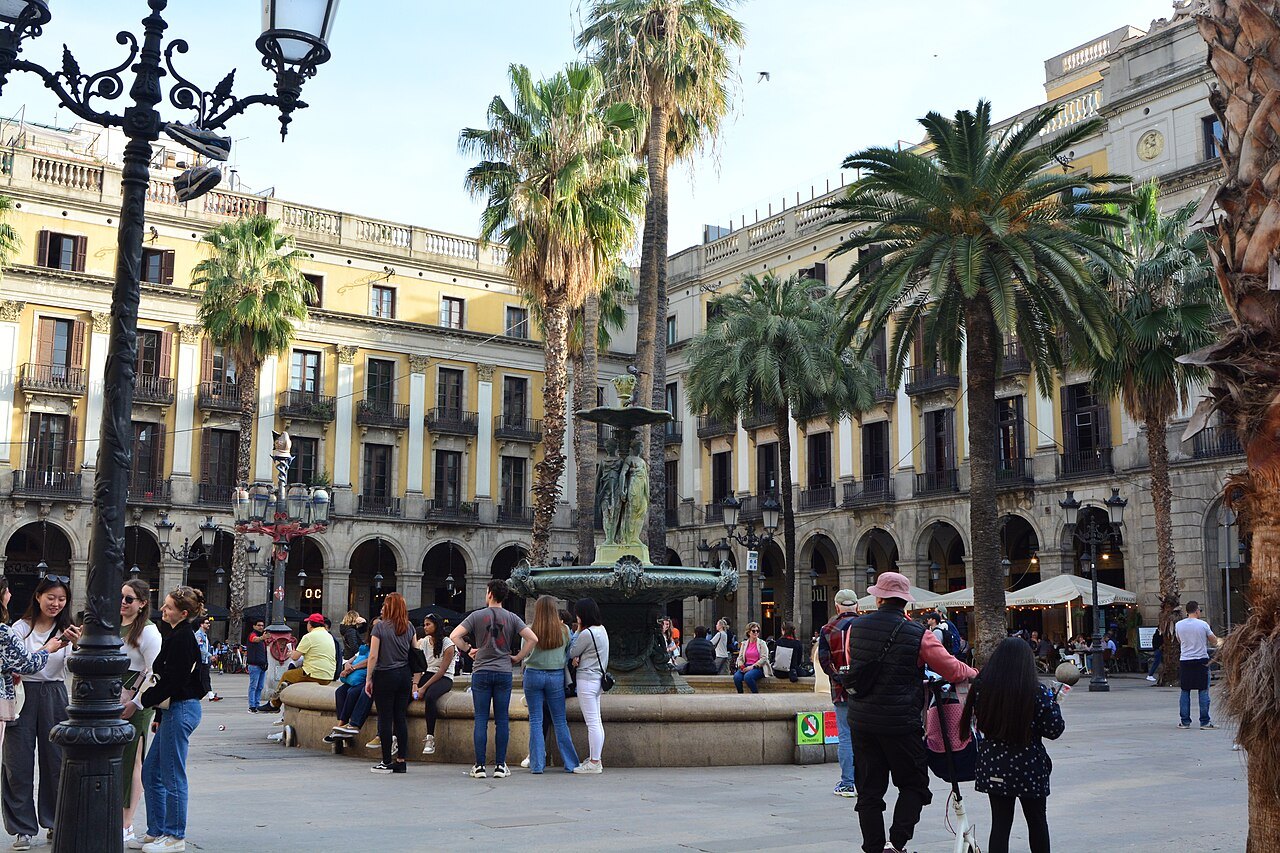
The street plan is labyrinthine: many small streets open into small squares. Regular traffic is barred from most of the quarter, though service vehicles and taxis may enter, which makes it a place to explore on foot.
Barcino under the lanes
The city began as a Roman colony called Faventia Julia Augusta Pia Barcino, usually shortened to Barcino. Pomponius Mela mentions it among the small towns of the district, and later writers suggest that it grew in wealth thanks to a fine setting and an excellent harbor. It minted its own coins, and some from the era of Galba survive.
Important Roman remains are displayed beneath the Plaça del Rei, as part of the Barcelona City History Museum, and the typically Roman grid plan is still visible today in the layout of the Gothic Quarter. Some remaining fragments of the Roman walls have been incorporated into the cathedral.
An authenticity question
Despite the name, a number of landmark Gothic buildings here do not date to the Middle Ages. In the late nineteenth and early twentieth centuries the quarter was transformed from a somber neighborhood into a tourist attraction through a massive restoration timed to be finished for the 1929 International Exhibition, which allowed the city and Catalonia to present themselves well to the world's press. Restoration and new neo-Gothic construction continued as late as the 1960s.
That does not make the quarter fake; it makes it a layered record. A visit works best when you know which part is which.
What was rebuilt
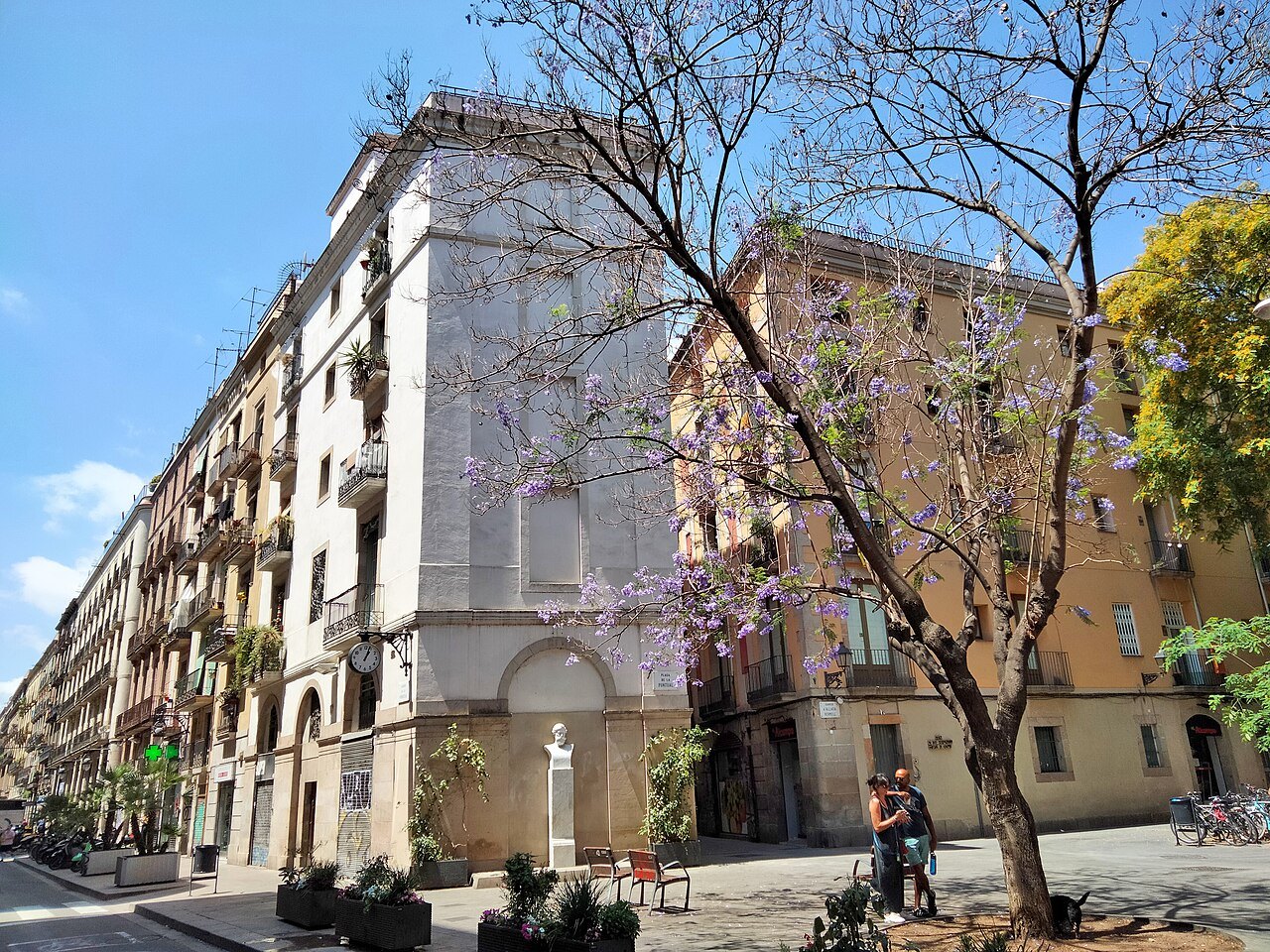
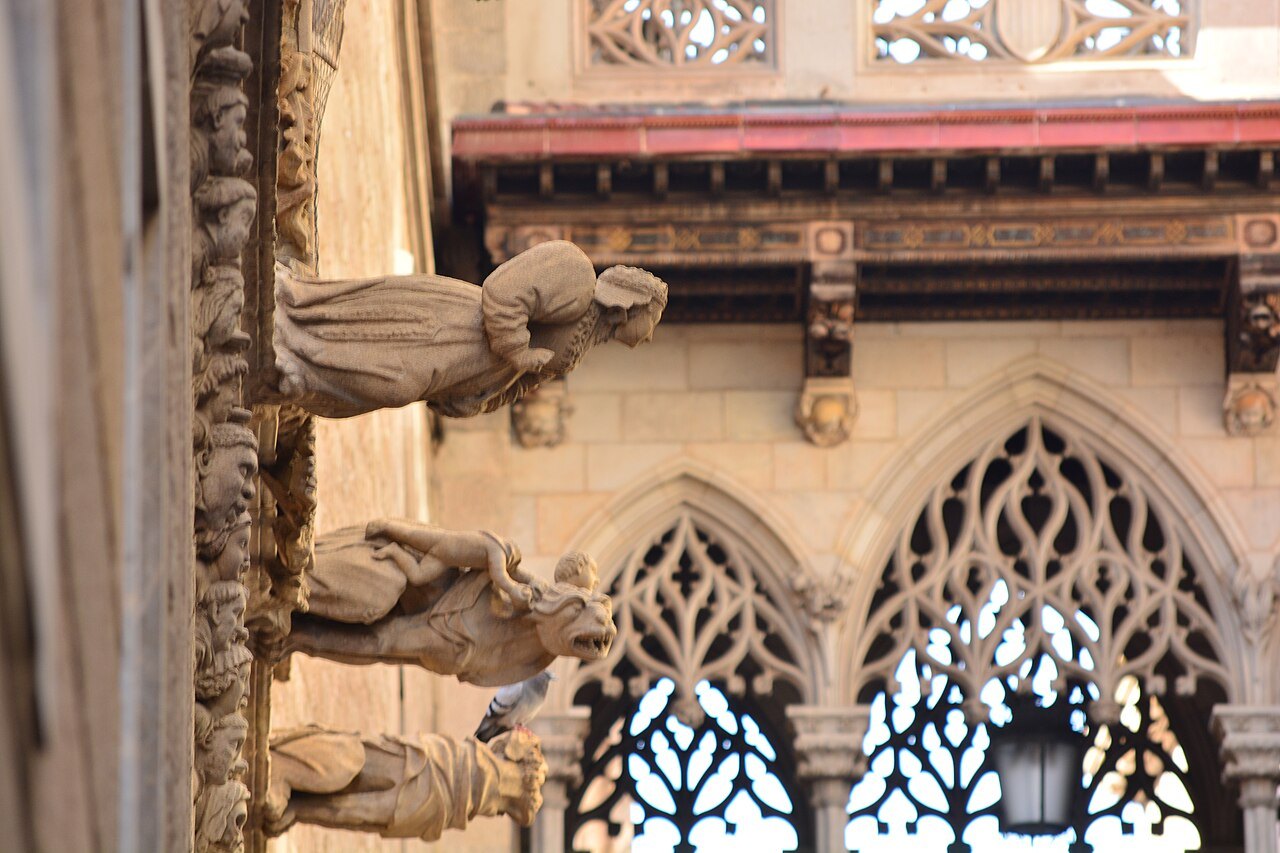
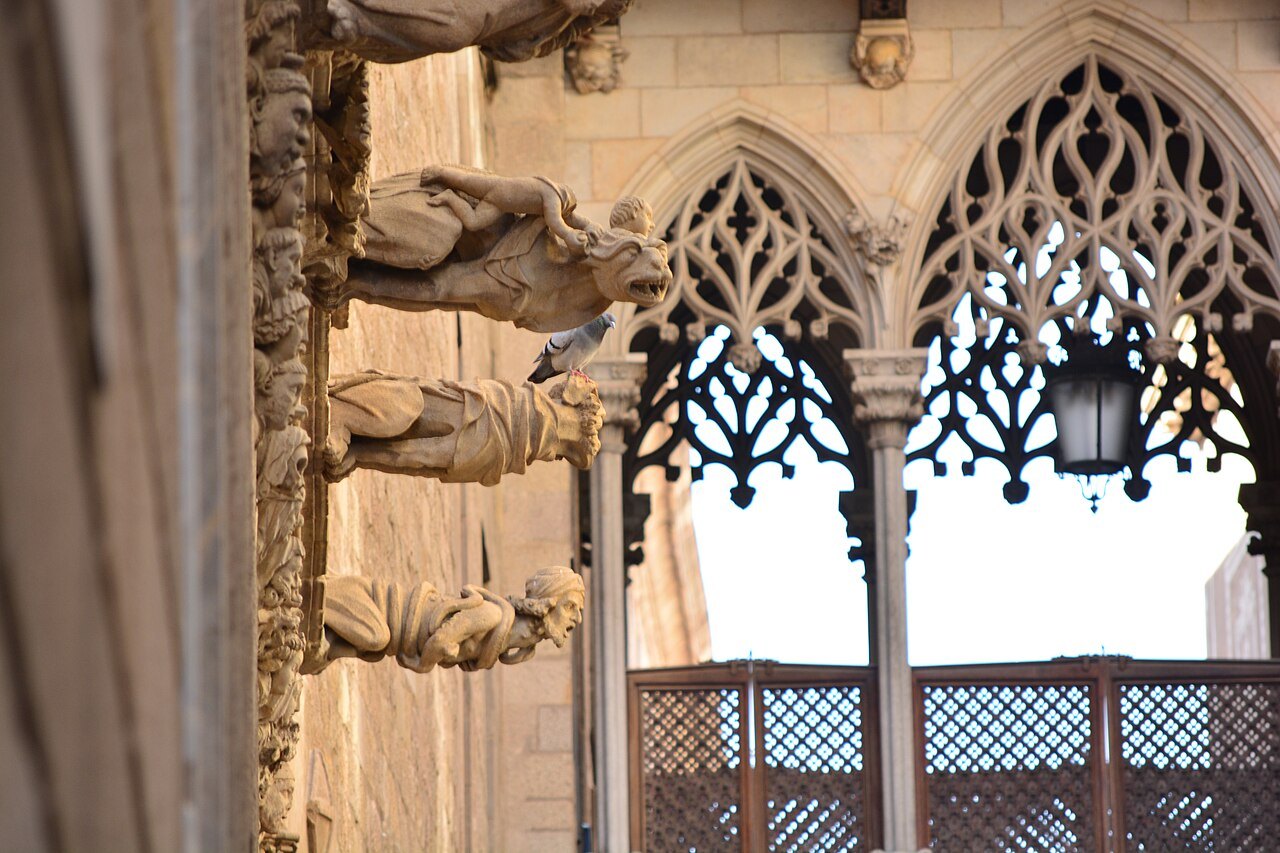
Principal buildings rebuilt or modified with neo-Gothic additions include the facade of the Barcelona Cathedral, built between 1882 and 1913 by Josep Oriol Mestres and August Font i Carreras with a profusion of Gothic-style elements. The headquarters of the Centre Excursionista de Catalunya on Carrer Paradís got Gothic windows, battlements and merlons from Lluís Domènech i Montaner in 1922.
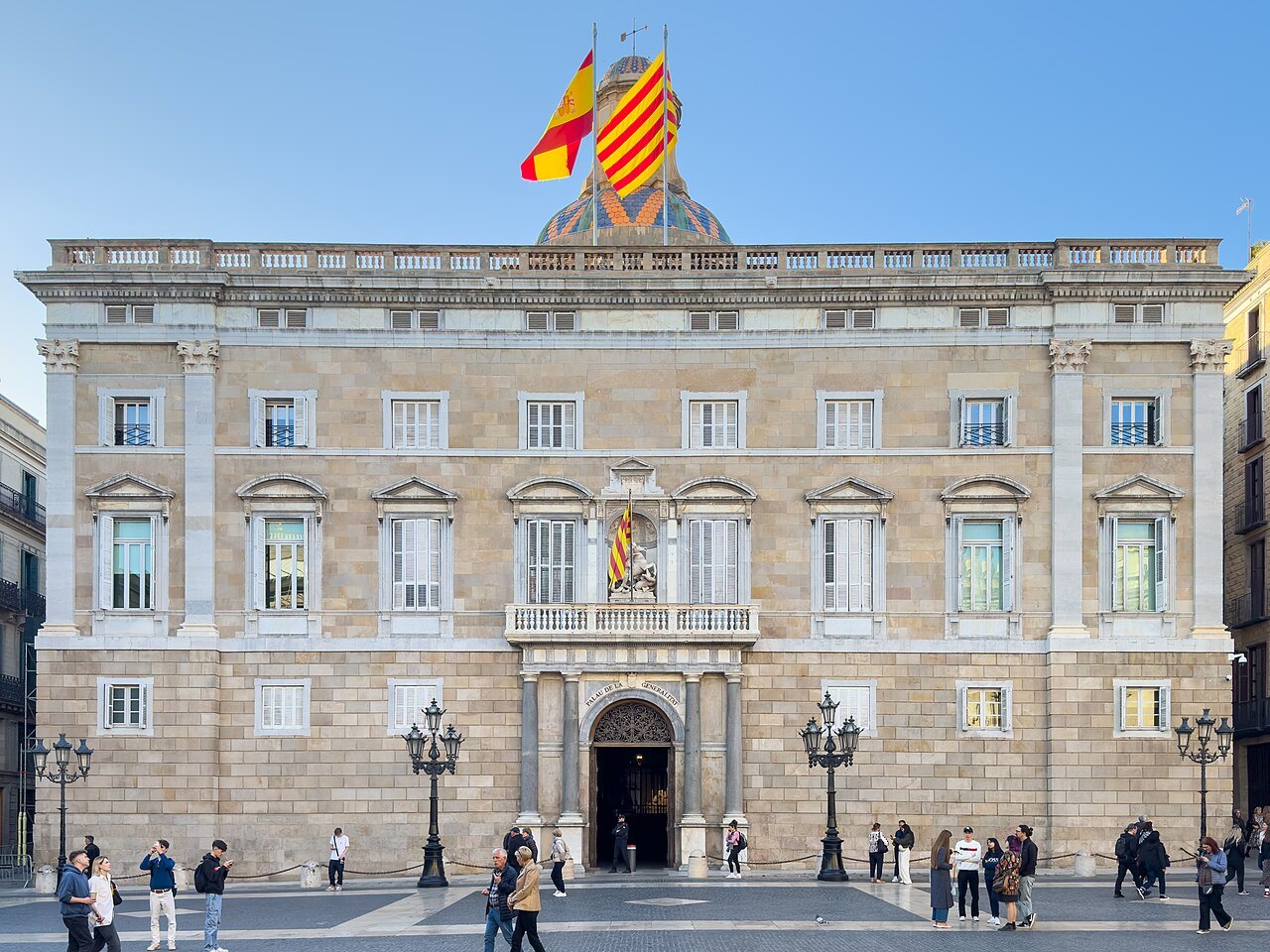
The Flamboyant-style bridge that crosses Carrer del Bisbe between the Palau de la Generalitat and the Cases dels Canonges was newly built in 1928 by Joan Rubió. Casa Padellàs, which houses the city history museum, was built around 1500 on Carrer Mercaders but was moved to the Plaça del Rei in 1931 and had its interior rebuilt.
Palaces of the Born side
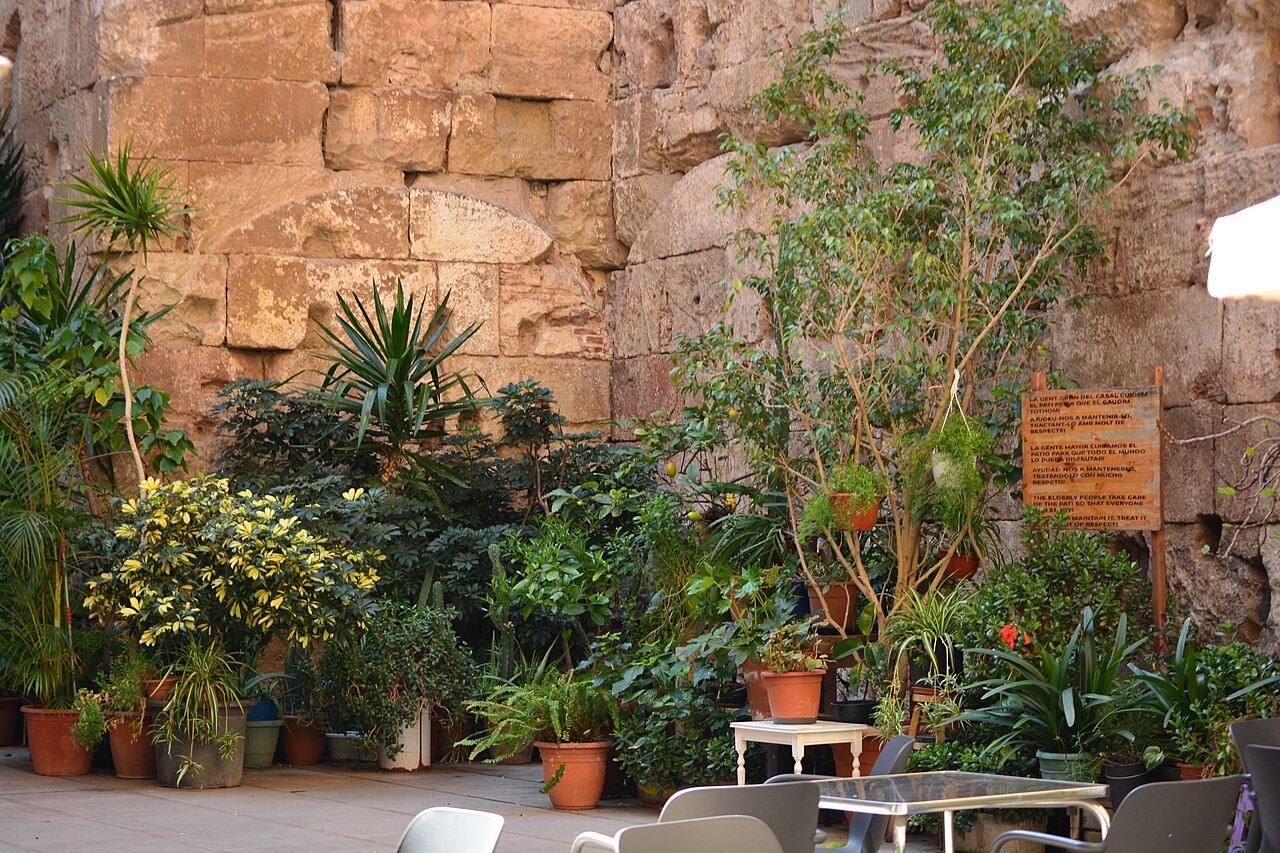
The restoration extended to the palaces of Carrer de Montcada, on the edge of the quarter. The Aguilar Palace, now the Museu Picasso, was restored by Adolf Florensa in 1959, who added galleries with arches and Gothic windows. The Pignatelli Palace, now the Royal Artistic Circle of Barcelona, was restored in 1970, with Gothic windows retrieved from municipal warehouses added.
The nearby sectors of La Ribera and El Born were originally developed outside the Roman walls as a medieval merchant and maritime hub, and are described as a bohemian zone of narrow alleyways filled with independent boutiques and cocktail bars.
El Call
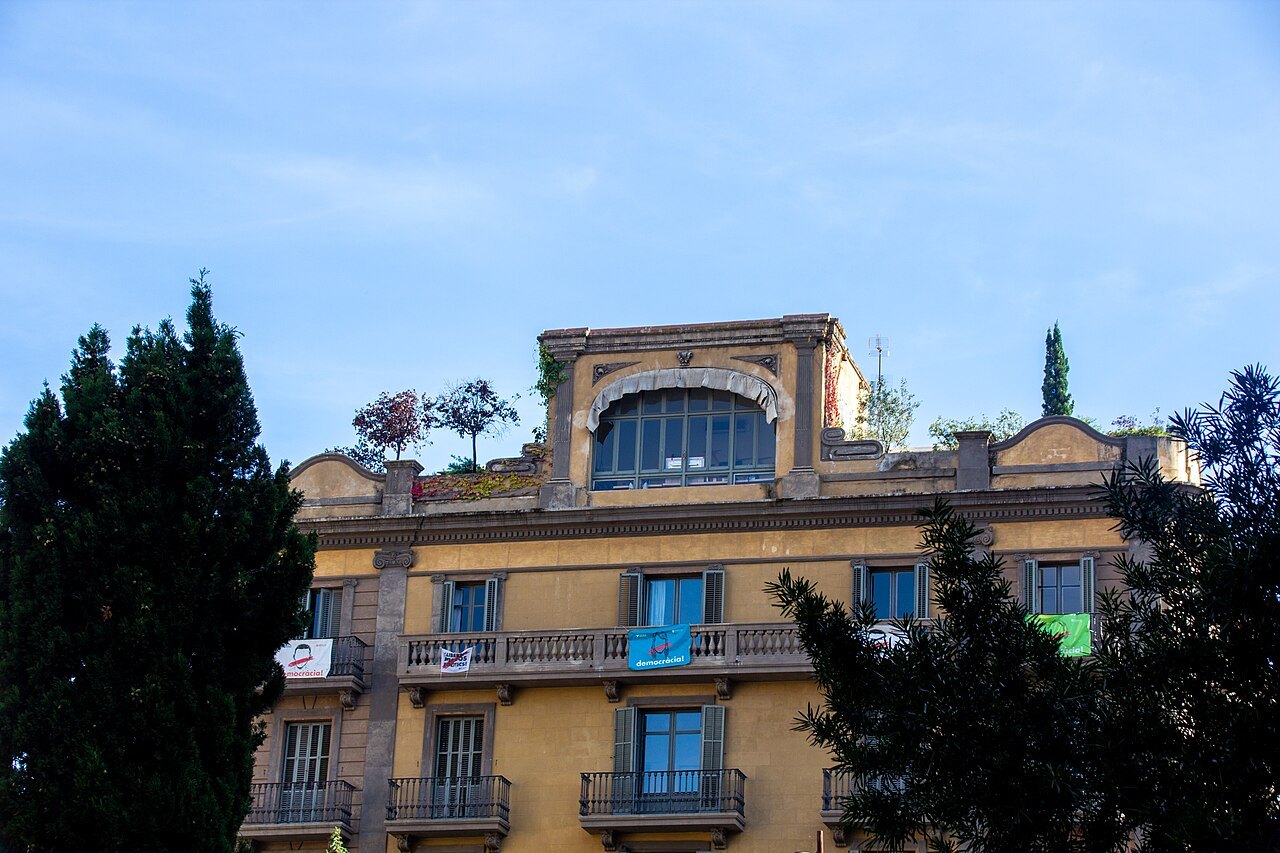
El Call, the medieval Jewish quarter, lies within the Gothic Quarter, along with the former Sinagoga Major. Its tight lanes are some of the oldest in the district and reward a slow walk, away from the cathedral square.
Together with the Roman remains and the cathedral, El Call shows that the quarter has been a place of trade, worship and government for two thousand years. The Roman grid, the medieval lanes and the nineteenth-century restorations all share the same few streets, so every corner shows at least two periods at once, and sorting them out is half the pleasure of a walk here.
How to walk it
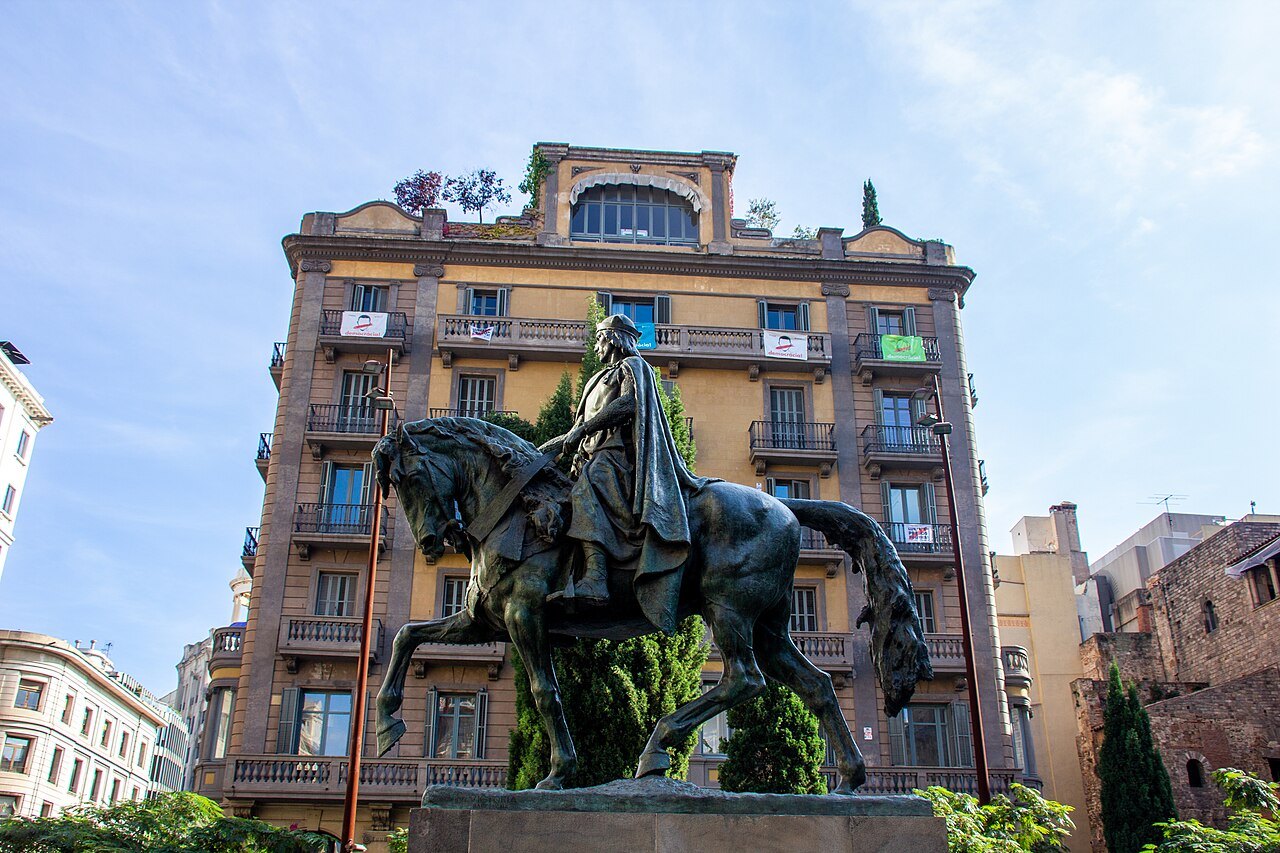
The metro stations Jaume I, Liceu and Drassanes serve the edges of the quarter. Enter from the Rambla by one of the small streets, or from Via Laietana, and let the lanes lead into the squares.
Walk around the cathedral to see the medieval flanks as well as the 1913 front, cross under the bridge on Carrer del Bisbe, and compare a restored palace with an unrestored lane. Remember that the question of what is old is part of the point.
Reading it as a heritage story
The Gothic Quarter is also a case study in how cities use their past. From 1927 to 1970, as an act of Catalan self-assertion, medieval buildings were restored, and more than forty structures were remodeled in Gothic style, the Catalan house serving as the model that shaped the rest of the area.
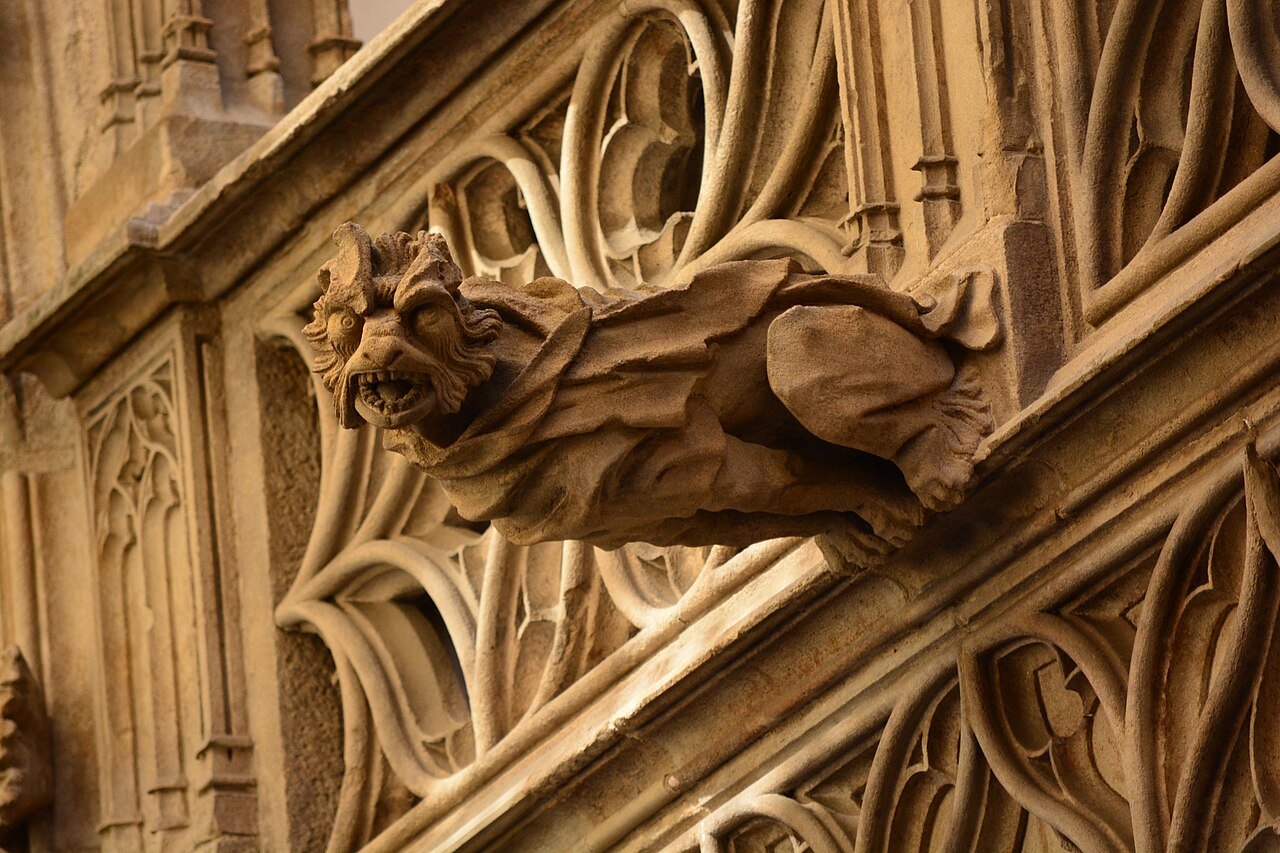
Barcelona thereby gave itself a historic image that links heritage and tourism, and the old center, whatever its real age, works as a stage on which to see the city's history.
Where the name comes from
The city's name goes back to an Iberian word, Barkeno, attested on ancient coin inscriptions in Iberian script found at the foot of Montjuïc, and in Latin as Barcino. A popular tradition credits the Carthaginian general Hamilcar Barca with founding the city, but historians have questioned it, and there is no evidence that Barcino was connected to his family.
Some scholars argue that the Laietani, an Iberian people, called the area Barkeno, meaning the place of the plains. In the Middle Ages the city was variously known as Barchinona, Barçalona and Barchelonaa. The Gothic Quarter is the part of the city where all those names were spoken.
Nearby
Where to go next
- Nearby · Gothic QuarterBarcelona CathedralThe Cathedral of the Holy Cross and Saint Eulalia is the seat of the archbishop of Barcelona.Read the page →
- Nearby · Ciutat VellaLa RamblaLa Rambla is the best-known street in central Barcelona: a tree-lined pedestrian promenade about a kilometer and a quarter long that connects the Plaça de Catalunya with the Columbus Monument at Port Vell.Read the page →
- Nearby · La Ribera · Ciutat VellaSanta Maria del MarSanta Maria del Mar is a church in the Ribera district, built between 1329 and 1383 at the height of Catalonia's maritime and mercantile power.Read the page →