Home · Sights · Barcelona Cathedral
Barcelona Cathedral: the Gothic seat of Saint Eulalia
What you are looking at
Gothic Quarter
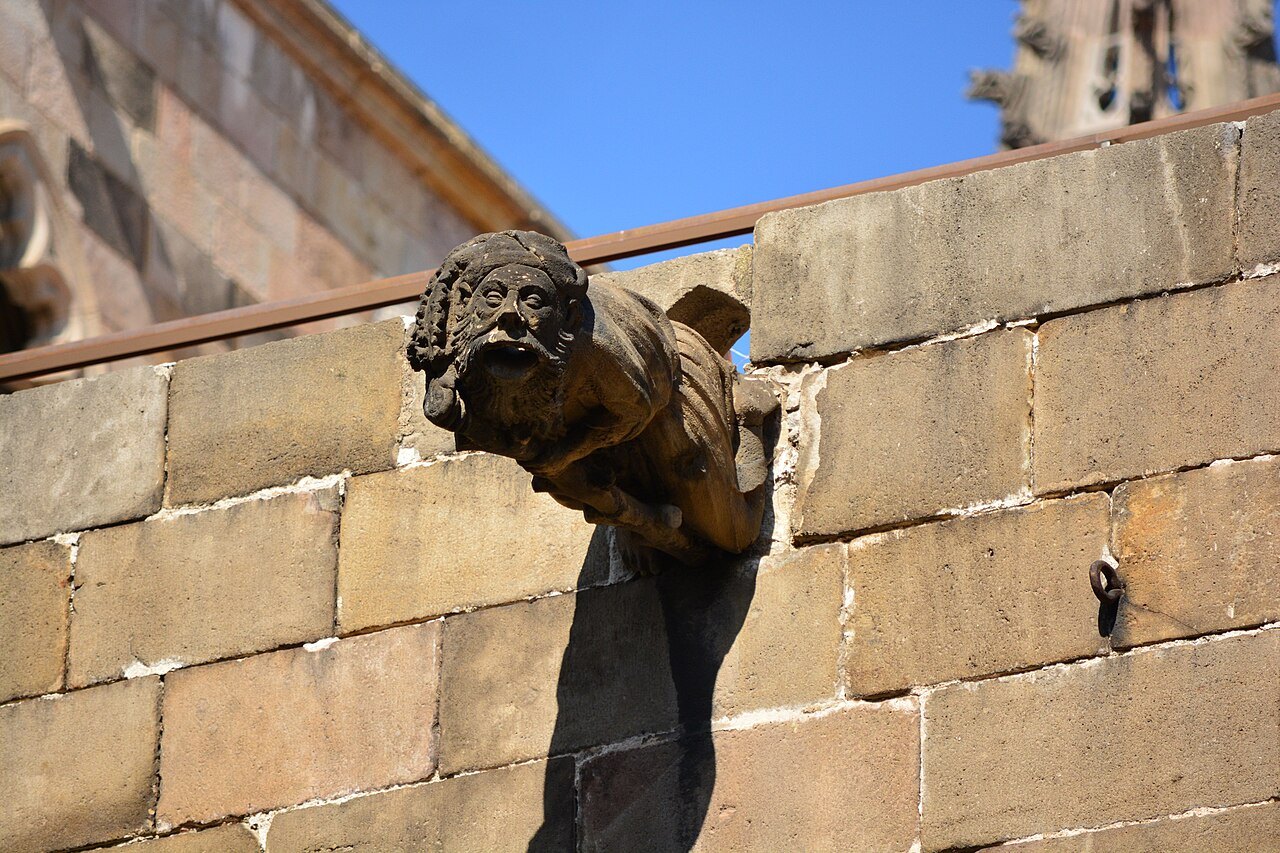
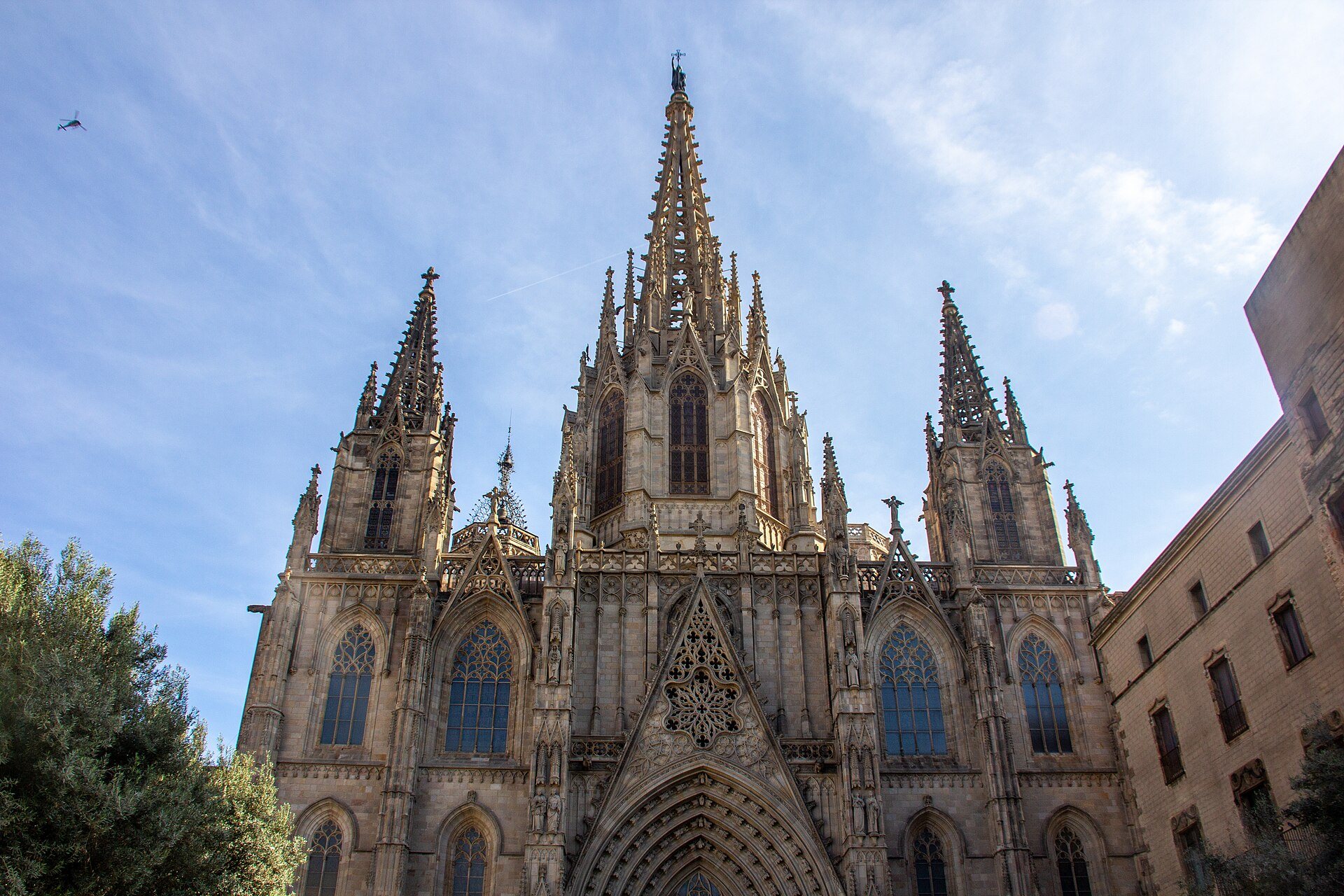
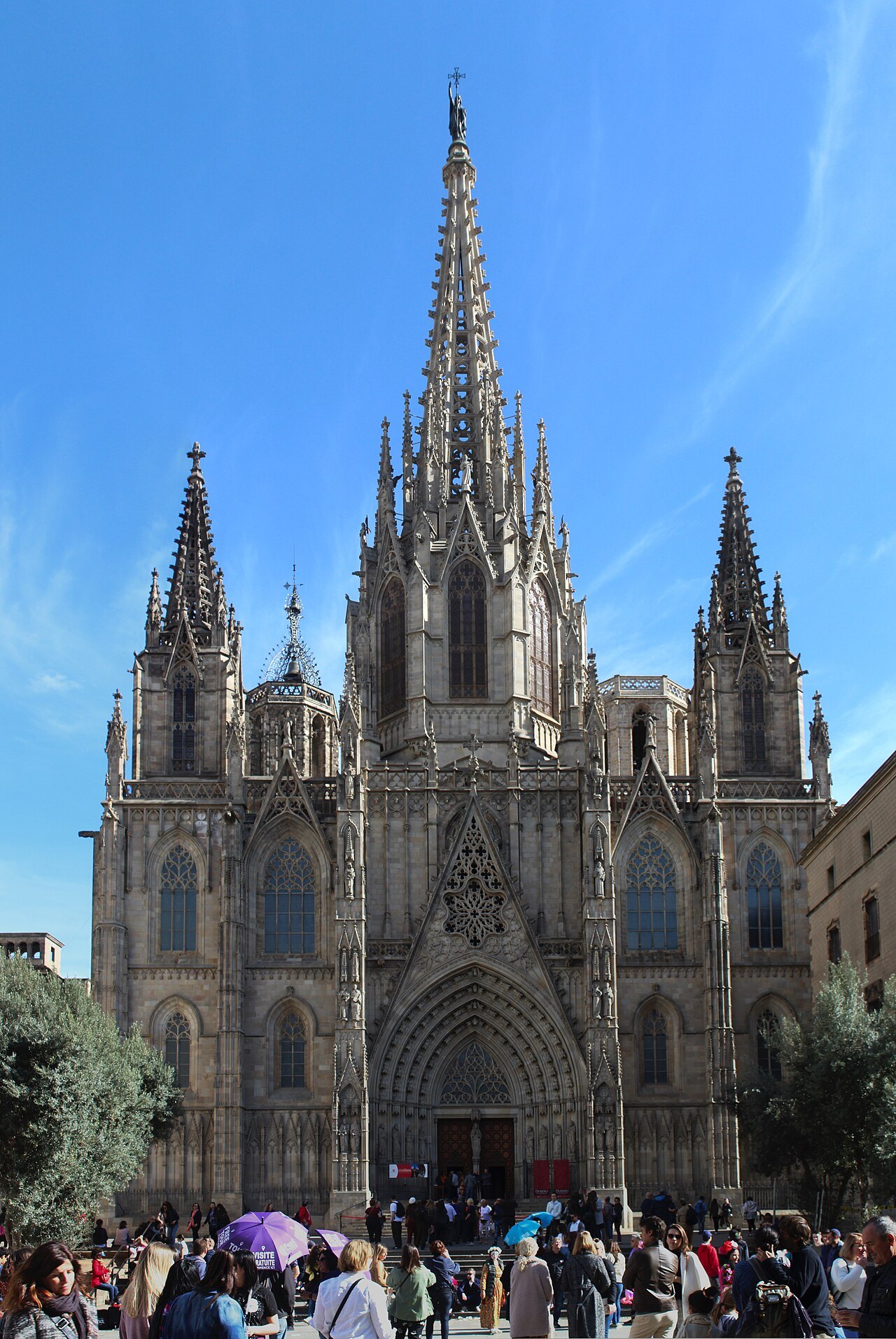
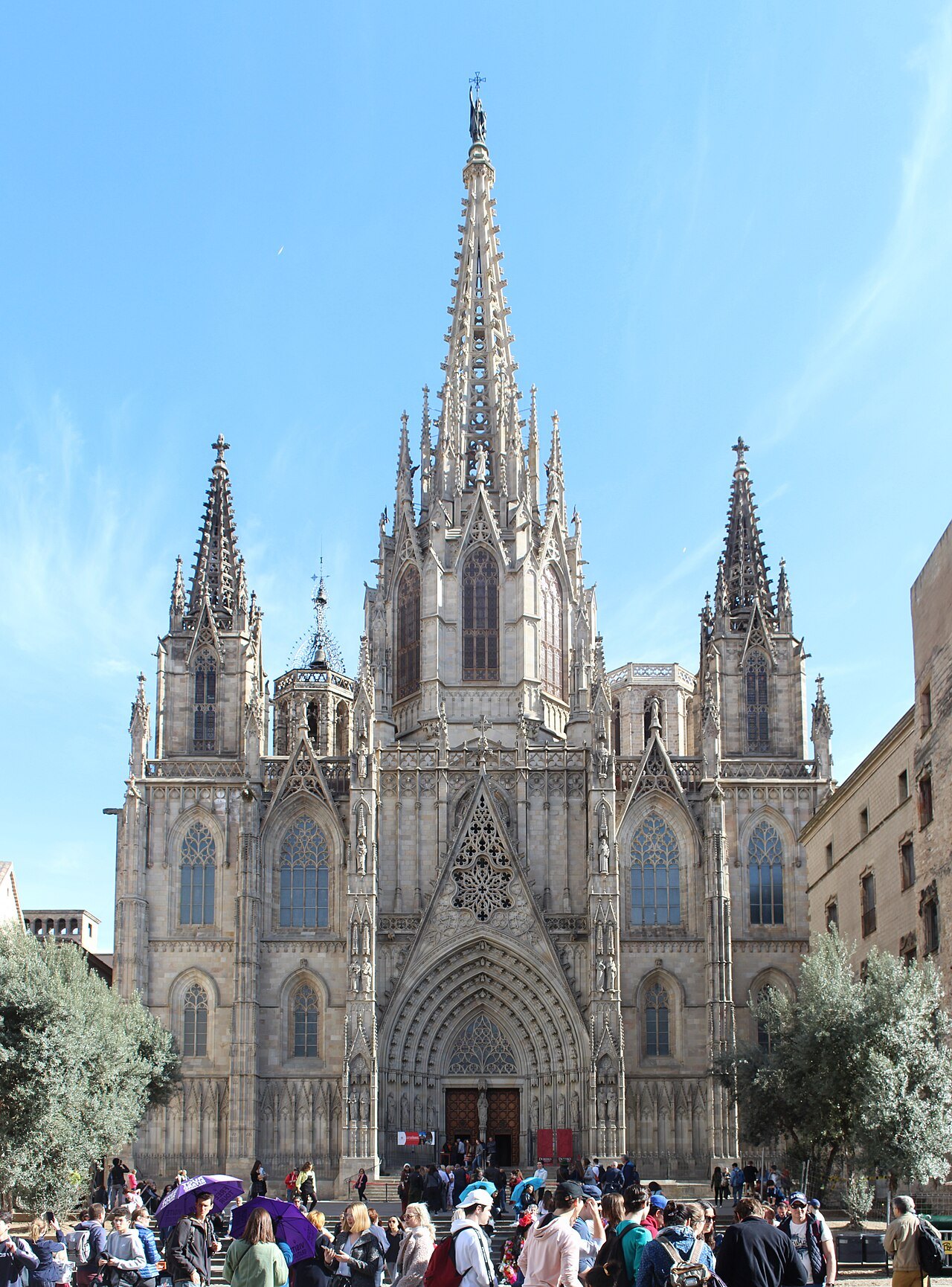
- 1The facadeA neo-Gothic front built between 1882 and 1913, rich in gargoyles, animals and mythical creatures.
- 2The crypt of Saint EulaliaThe tomb of the city's co-patron saint, visible from the raised high altar.
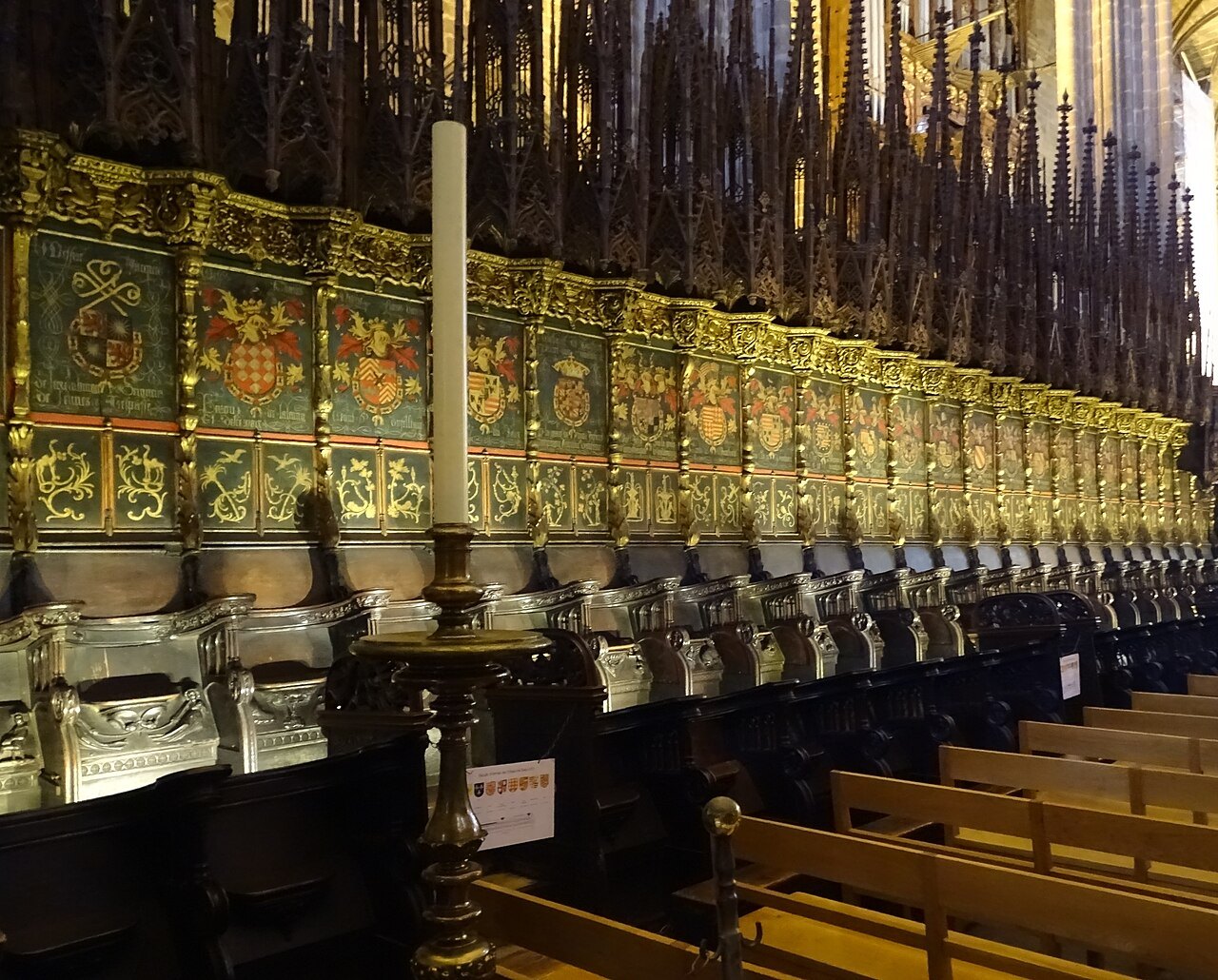
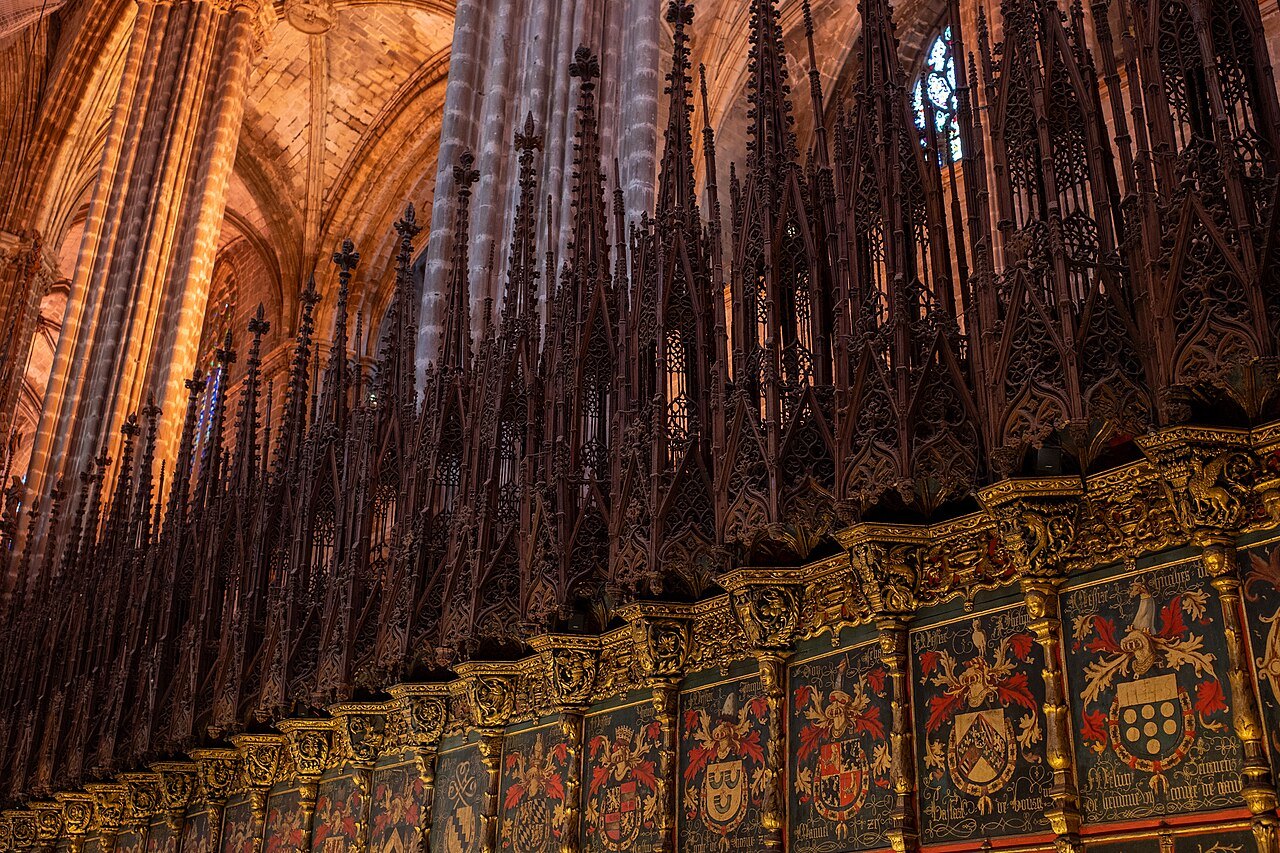
- 3The choir stallsCarved stalls that keep the coats of arms of the Knights of the Golden Fleece, who met here in 1519.
- 4The cloister and the geeseA secluded Gothic cloister around the Well of the Geese, where thirteen white geese live.
- 5The Chapel of LepantoA side chapel with a crucifix said to have leaned aside from a cannonball.
- 6The Roman and Visigothic layersEarly Christian remains shown below street level in the city history museum.
Reading the place
The sight in full
Layers under the stone
Barcelona Cathedral stands where Barcelona has gathered since the Romans. Parts of an early Christian and Visigothic bishop's complex survive and are displayed underground in the Barcelona City History Museum: a baptistery of the fourth century, a basilical hall of the fifth, and a cross-shaped church and bishop's palace of the sixth or seventh. A document from the Second Council of Barcelona in 599 states that the cathedral was dedicated to the Holy Cross.
That church was severely damaged by al-Mansur in 985. In 1046 Count Ramon Berenguer I, his wife Almodis and Bishop Guislabert began a Romanesque cathedral on the site, over the crypt of the former church, and it was consecrated in November 1058. The current Gothic cathedral replaced it, beginning on 1 May 1298 under James II the Just of Aragon and Bishop Bernat Pelegrí.
Built east to west
The church was built from the east end toward the west, with a simple west front finished in 1417 and the cloister complete in 1448, so the whole took about a hundred and fifty years, with the principal work done in the fourteenth century. It follows Catalan Gothic: a regional style confined to the Barcelona area, with open, airy spaces and wide naves rather than towering height, balancing the dimensions instead.
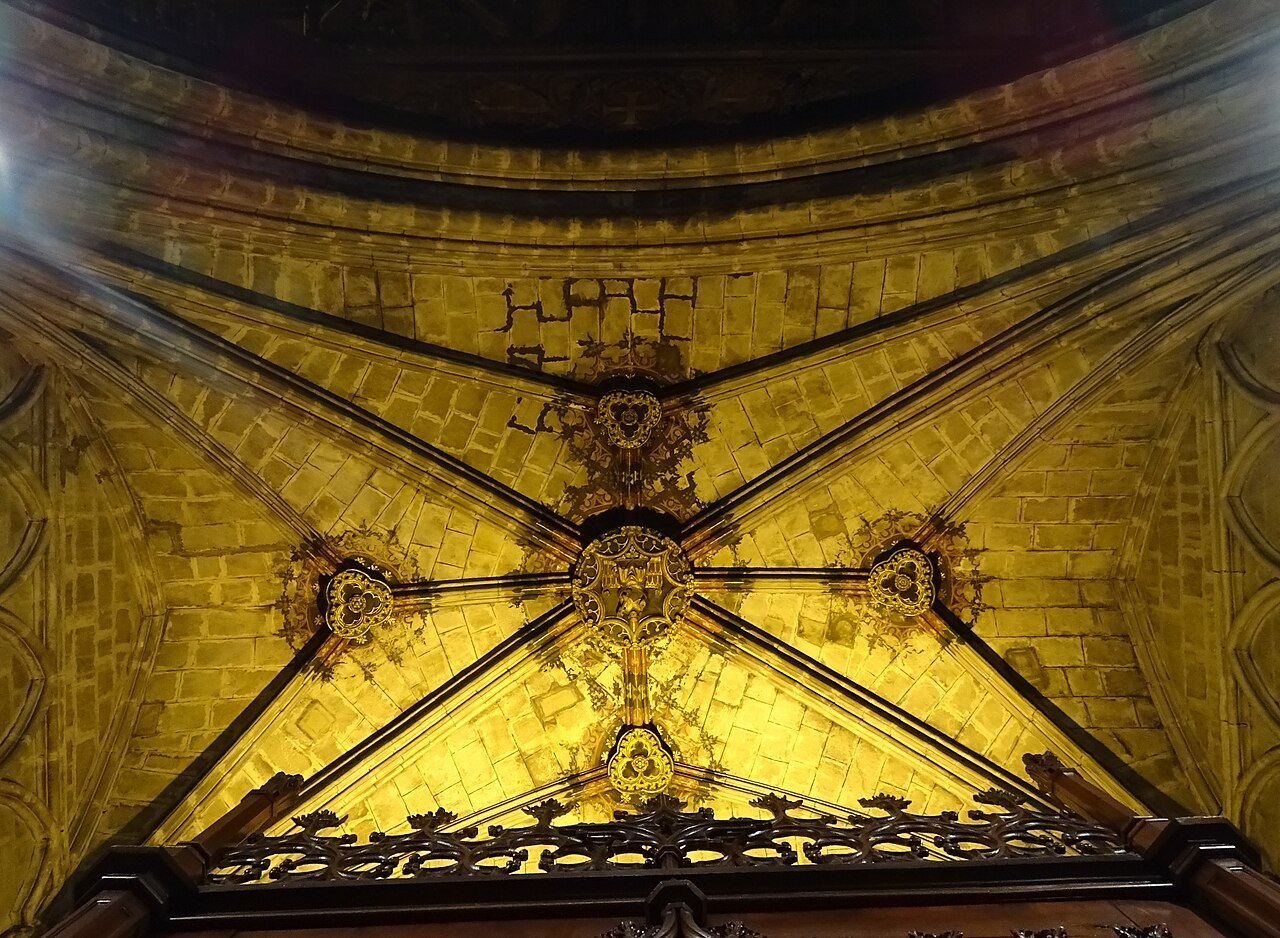
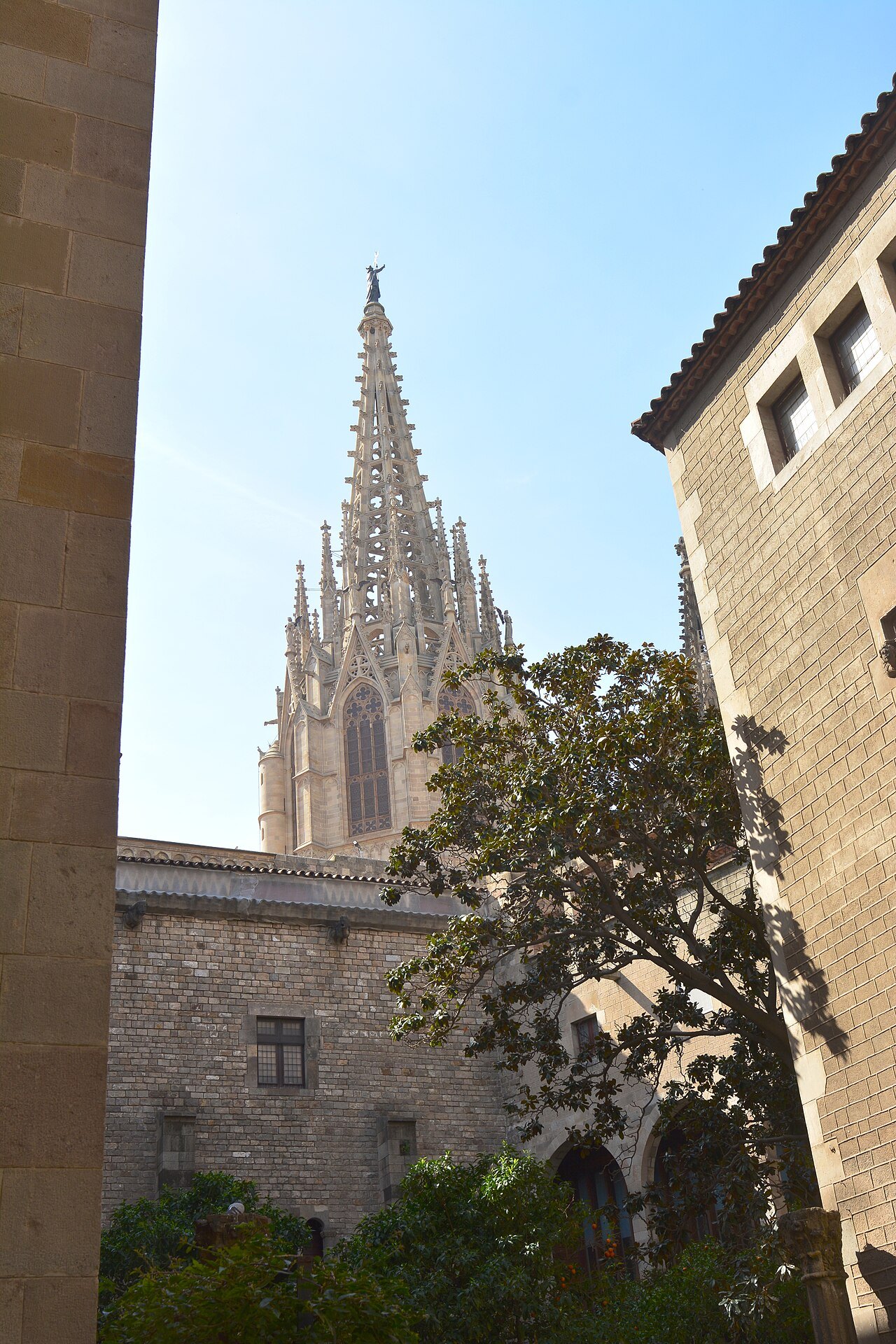
The plan is a pseudo-basilica vaulted over five aisles, the outer two divided into chapels, with a truncated transept and an east end of nine radiating chapels around an ambulatory. The nave is about ninety-three meters long, forty wide and twenty-eight high, and each bell tower stands fifty-four meters high. The high altar is raised, allowing a clear view down into the crypt.
A facade of the nineteenth century
The Gothic face you see from the square is much younger than the church behind it. Until the late nineteenth century the exterior was an undistinguished front common to Catalan churches. a private benefactor, Miguel Agrafel, offered to complete a neo-Gothic facade and central tower inspired by the original fifteenth-century design by a master Carlí, as redrawn by the architect Josep Oriol Mestres, and his children finished the work in 1913.
The facade is known for gargoyles on the roof, and for a menagerie of animals and mythical creatures. It belongs to a wider story: from 1927 to 1970 the medieval buildings of the Gothic Quarter were restored, and more than forty structures were remodeled in Gothic style, giving the city a historic image that links heritage and tourism.
Saint Eulalia
The cathedral is dedicated to the Holy Cross and to Eulalia of Barcelona, a co-patron saint of the city. According to Catholic tradition she was a young virgin martyr who suffered in Roman times in the city. One story says she was exposed naked in the public square and a miraculous snowfall in mid-spring covered her. Another says the Romans placed her in a barrel studded with knives and rolled it down a street, now called the Baixada de Santa Eulàlia.
Her relics are entombed in the crypt. The cloister keeps thirteen white geese, the number explained by the assertion that Eulalia was thirteen when she was martyred.
The choir and the Golden Fleece
The choir stalls retain the coats of arms of knights of the Order of the Golden Fleece. On his first trip to Spain, Charles V chose Barcelona as the site for a chapter of his order, after arriving for his investiture as Count of Barcelona. The city, as a Mediterranean port, offered the closest communication with other Habsburg dominions, and the cathedral's large proportions suited the ceremonies required.
In 1518 the order's herald, Thomas Isaac, and its treasurer, Jean Micault, were commissioned to prepare the sanctuary for the first chapter meeting in 1519, and Juan de Borgonya painted its decoration.
The Christ of Lepanto
A side chapel, built by Arnau Bargués in 1407 as the chapter house and rebuilt in the seventeenth century, holds the Chapel of the Holy Sacrament and of the Holy Christ of Lepanto. A crucifix over its entrance is said to date from the Battle of Lepanto in 1571. The body of Christ is curved, and Catalan legend explains why: the cross was carried on the prow of the galley of Juan of Austria, half-brother of Philip II, and when a cannonball flew toward it, the figure leaned out of the way and has been inclined ever since.
A separate story says that the cross was in the ship's hold and the figure moved to cover a large hole that would have sunk the ship. The chapel also holds the tomb of Saint Olegarius, a former bishop of Barcelona.
Tombs, geese and a dancing egg
Besides Eulalia and Olegarius, the cathedral contains the tombs of Saint Raymond of Penyafort, Count Ramon Berenguer I and his third wife Almodis de la Marche, and several bishops, one of whom, Arnau de Gurb, is buried in the Chapel of Santa Llúcia, which he had built.
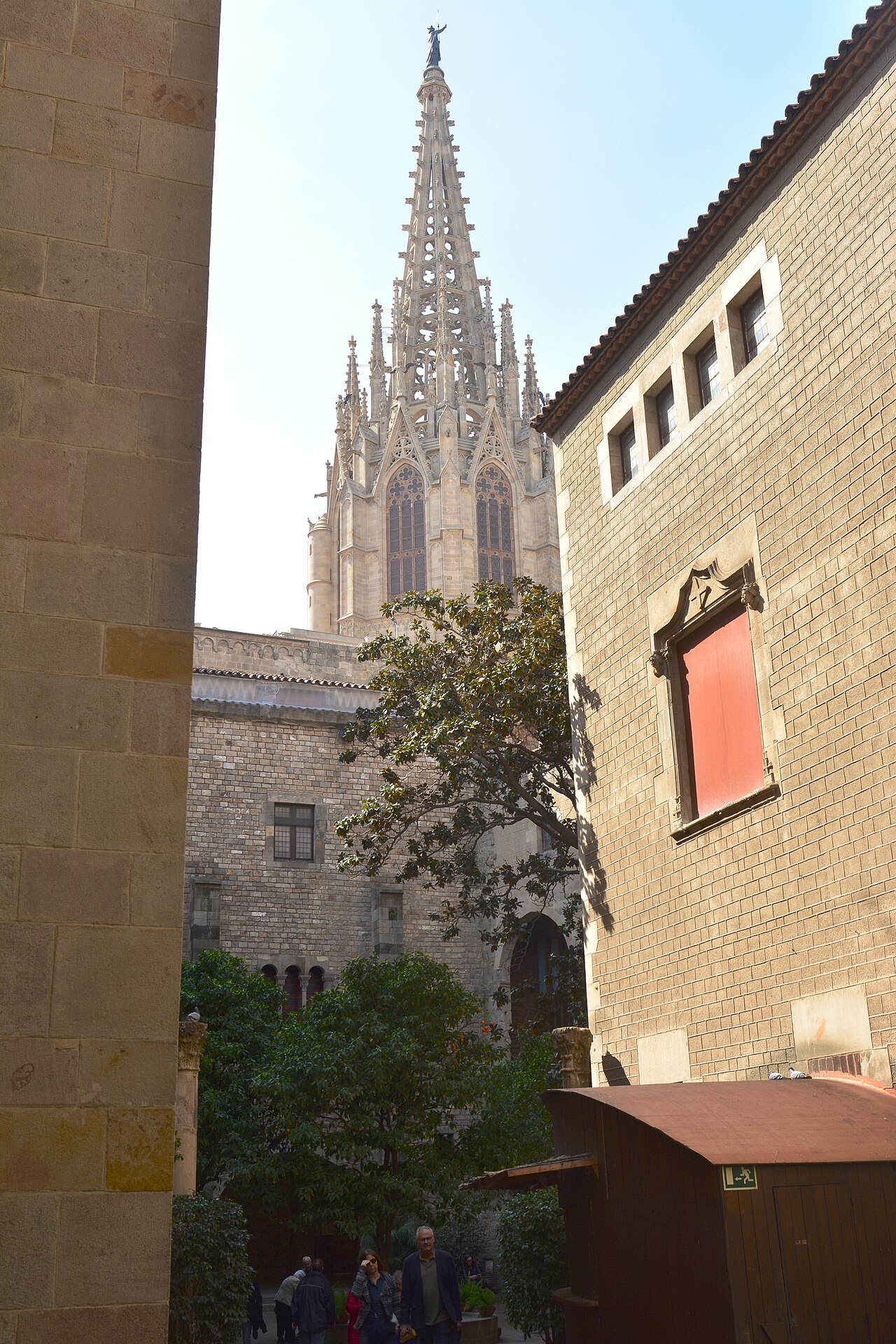
A tradition is kept on the day of Corpus Christi: the dancing egg, an eggshell that bobs on the jet of a fountain, usually in the cloister. The cathedral has been updated for tourism, with a gift shop in the cloister and electric candles in place of the traditional ones, and phones are banned in the Chapel of Lepanto and others.
Reading the square
The cathedral is in the Gothic Quarter, and the neighborhood is arranged around it. Some fragments of Roman walls are incorporated into the building, a reminder that the old Roman town, Barcino, lies directly underneath the narrow streets around it. The cathedral is also called La Seu, simply the see.
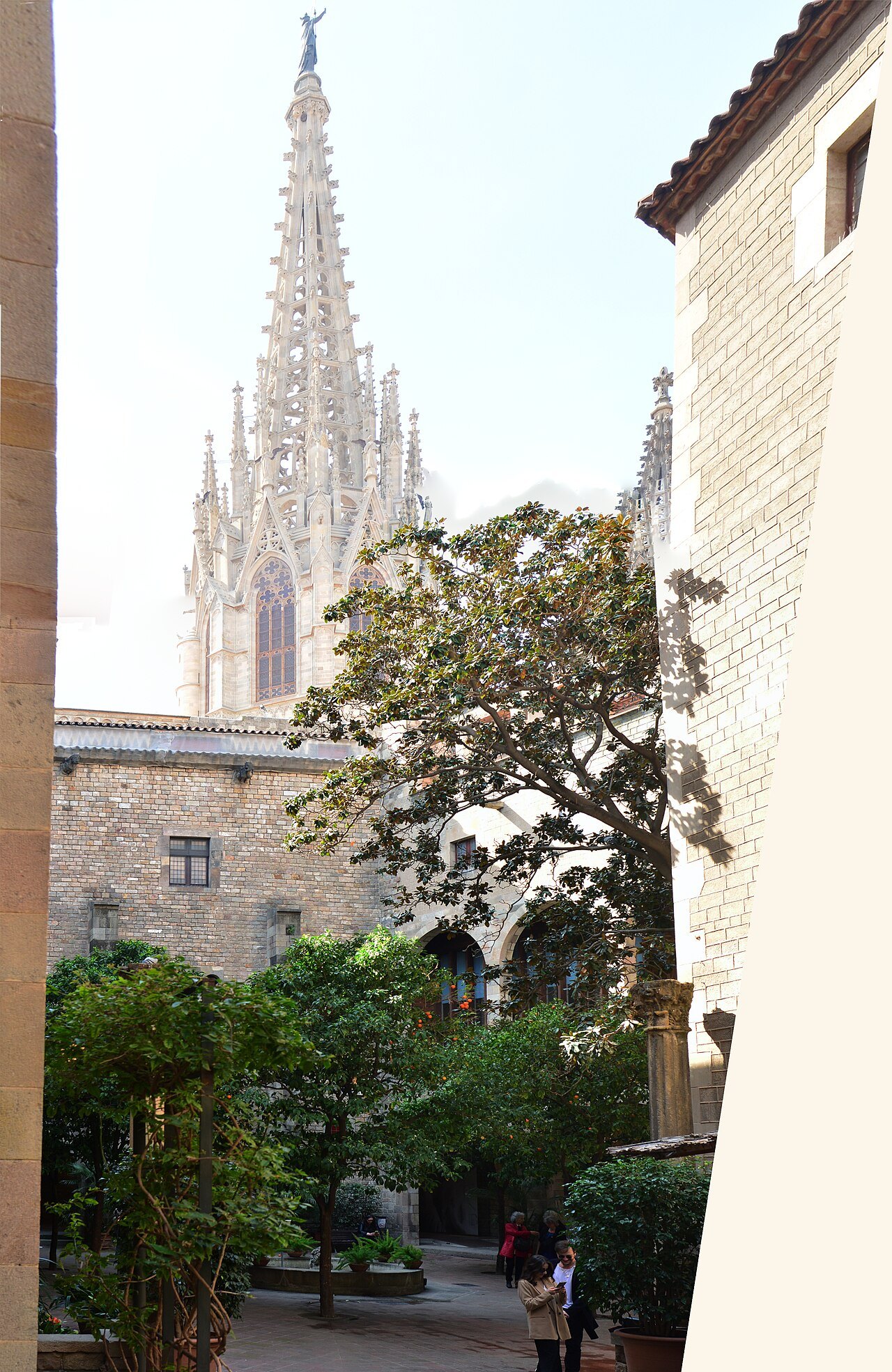
Stand in the square in front of the facade, then walk around to the side streets to see the older masonry. The difference between the 1913 front and the medieval flanks is the best lesson in how Barcelona restored its past.
Nearby
Where to go next
- Nearby · Ciutat VellaThe Gothic QuarterThe Gothic Quarter, El Gòtic, is the historic center of Barcelona's old city, running from the Rambla to Via Laietana.Read the page →
- Nearby · La Ribera · Ciutat VellaSanta Maria del MarSanta Maria del Mar is a church in the Ribera district, built between 1329 and 1383 at the height of Catalonia's maritime and mercantile power.Read the page →
- Nearby · Ciutat VellaLa RamblaLa Rambla is the best-known street in central Barcelona: a tree-lined pedestrian promenade about a kilometer and a quarter long that connects the Plaça de Catalunya with the Columbus Monument at Port Vell.Read the page →