La Boqueria: the market on the Rambla
What you are looking at
Ciutat Vella · La Rambla
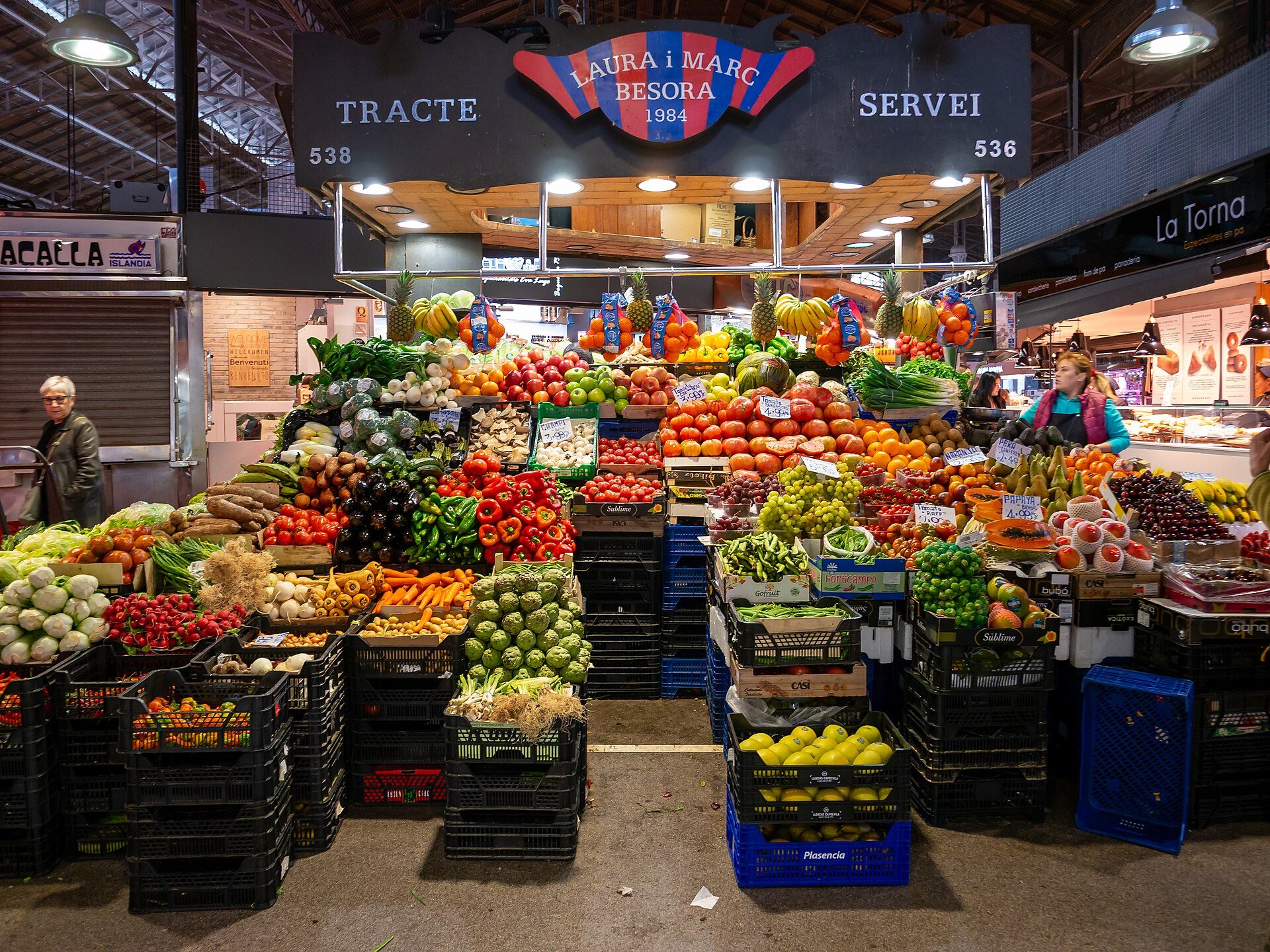
- 1The Rambla entranceThe market opens directly from La Rambla, not far from the Liceu.
- 2The metal roofThe iron roof that still covers the market, built in 1914.
- 3The old namesMercadi Bornet and the straw market, the market's earlier names.
- 4The fish marketA new fish market opened in 1911, with the fishmongers a long-standing part of the market.
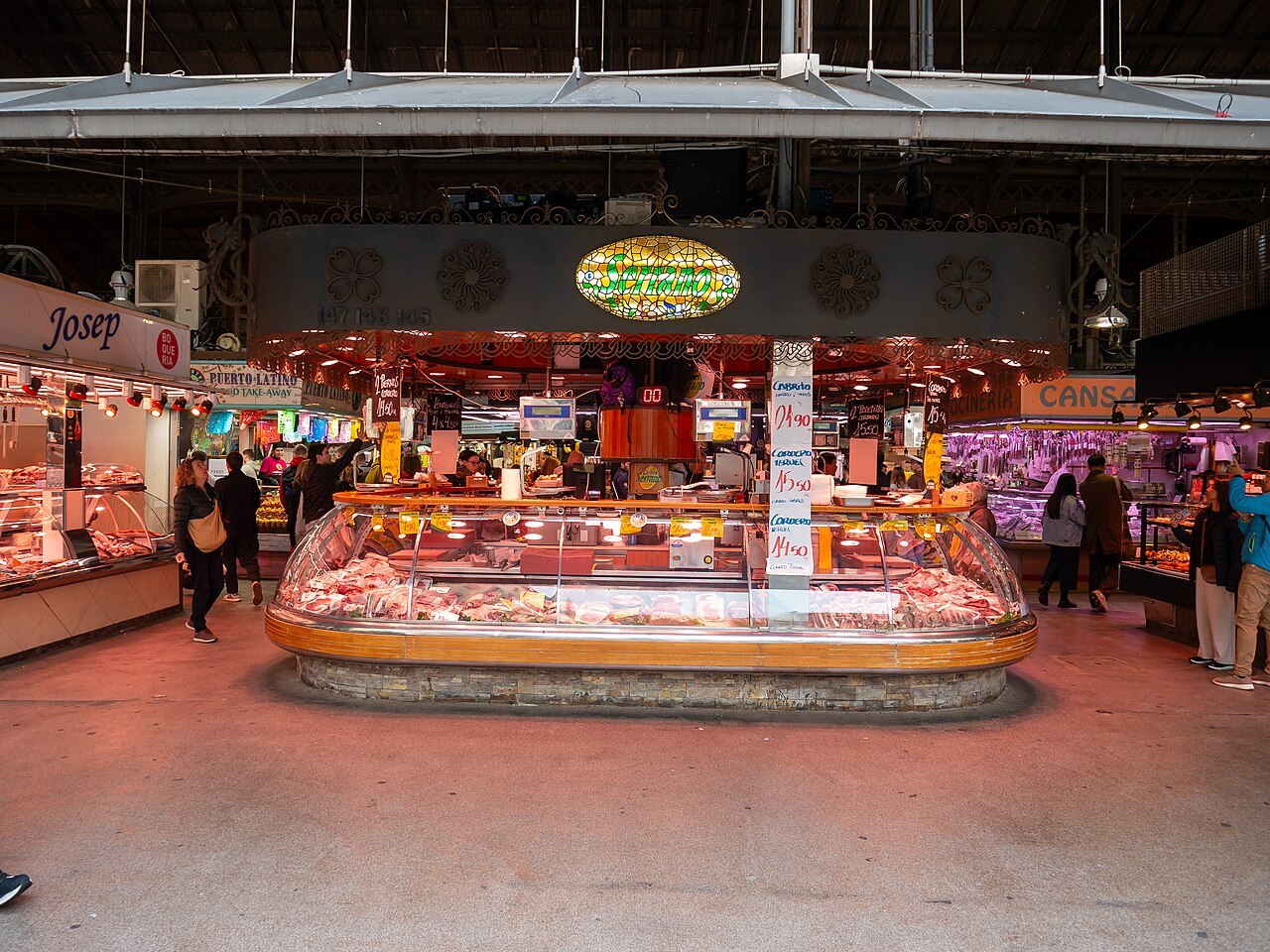
- 5The meat traditionThe first tables sold meat near the old city gate in 1217.
Reading the place
The sight in full
Where it started
The first mention of a Boqueria market in Barcelona dates from 1217, when tables were set up near the old city gate to sell meat. From December 1470 a pig market was held at the site, then known as the Mercadi Bornet. Later, and until 1794, it was known simply as the Mercat de la Palla, the straw market. At least since the thirteenth century an open-air market had stood on the esplanade in front of the Boqueria gate on the Rambla, where itinerant sellers and country women from the surroundings sold produce so that they could avoid the entry taxes charged at the gates.
In the beginning the market was not enclosed and had no official status, regarded simply as an extension of the Plaça Nova market, which extended as far as the Plaça del Pi. The present name is believed to come from the Catalan boc, goat, so a boqueria would be a place where goat meat is sold. Compare the French boucherie, from which the name of the Vucciria market in Palermo derives.
A convent's ground
The Carmelite convent of Saint Joseph, founded in 1586, stood on the spot. During the Liberal Triennium of 1820 to 1823 the convent was confiscated, and Barcelona's city council planned a major square to house the market. The market's name, Mercat de Sant Josep, keeps the memory of the convent's saint.
It was not until 1826 that the market was legally recognized. That year the engineer Josep Massanès and the architect Josep Mas i Vila designed a first market structure. After the confiscations of 1836 a special commission was formed in September 1837, and a convention in 1835 had already decided to build an official structure.
Building the hall
Construction began on 19 March 1840, the feast of Saint Joseph, when the first stone of a colonnaded square was laid under Mas i Vila's revised design. The market officially opened that same year, but the plans for the building were modified many times, and the structure was finally inaugurated in 1853.
Additions followed. In 1846 a floor was added and the surface area was increased, and in 1848 a fish market was approved at what is now the Plaça de Sant Galdric, with the owner of the adjoining Palau de la Virreina granting passage through his property. A new fish market opened in 1911.
The iron roof and the arch
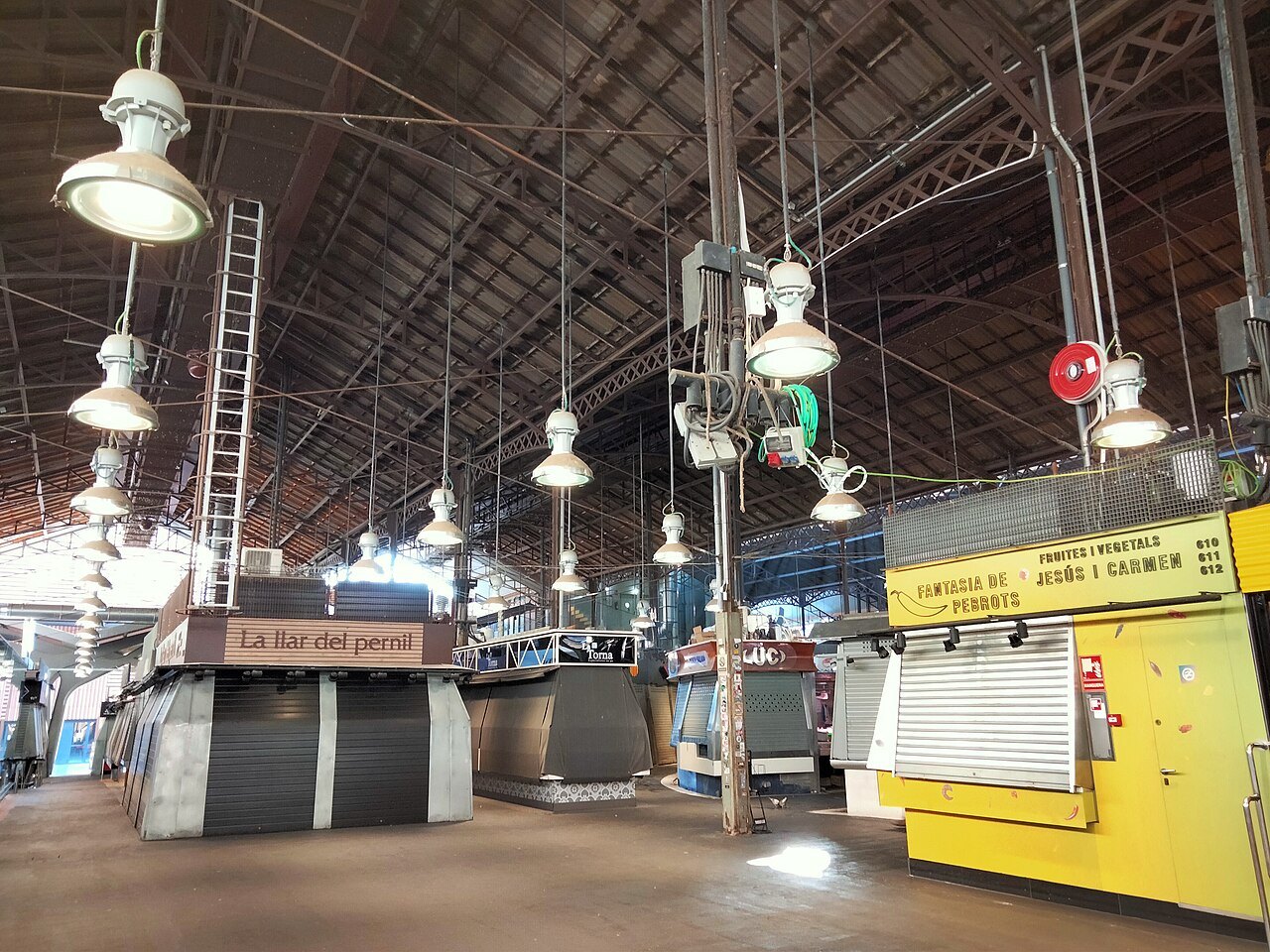
The metal roof that covers the hall today was built by La Maquinista Terrestre i Marítima and inaugurated in 1914. It is a structure of lattice pillars and beams that carry five parallel naves, a Belle Époque iron roof over a market whose plan dates from the 1840s.
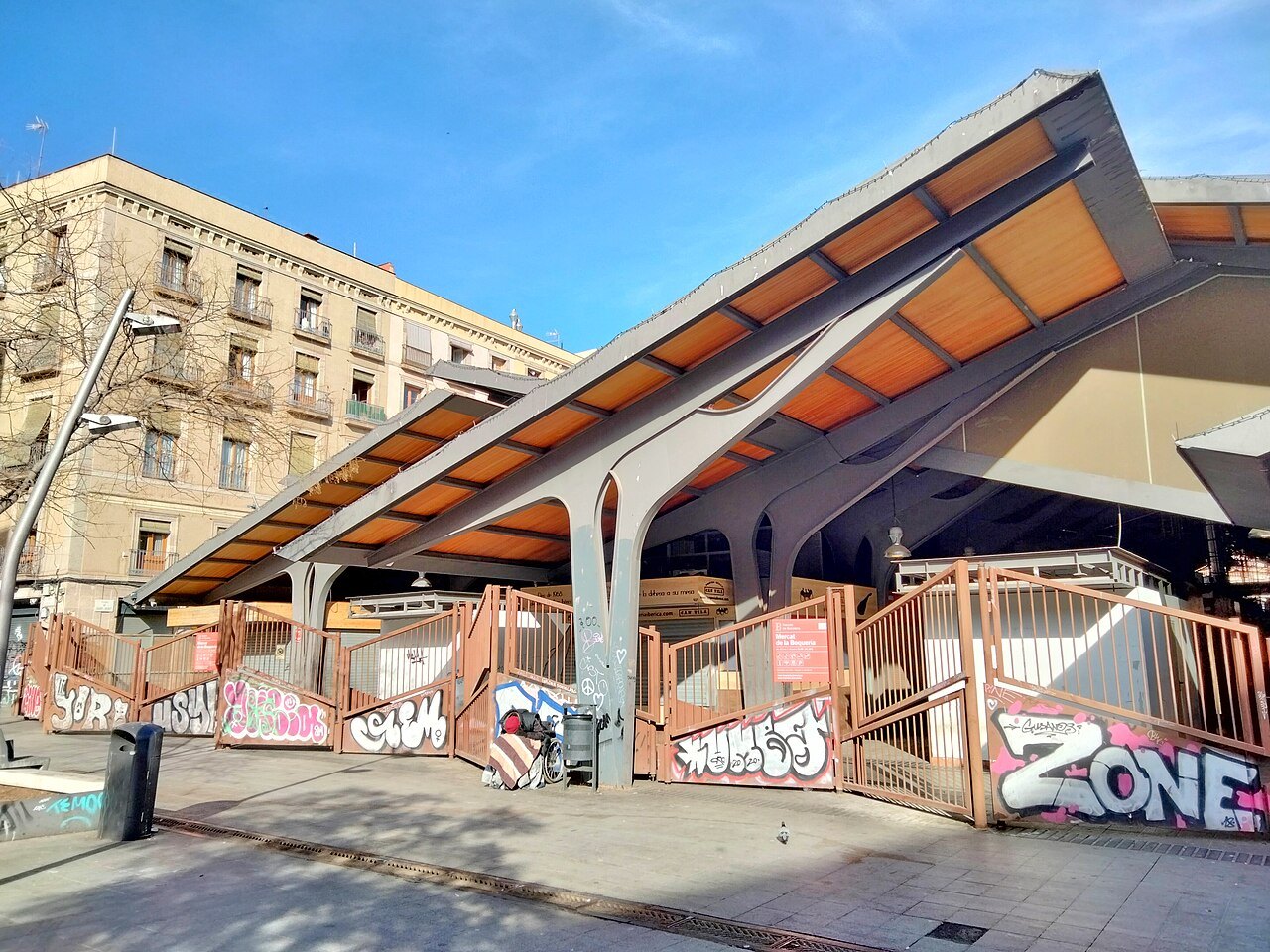
At the Rambla entrance stands a monumental iron arch with colored glass, completed in 1913 by the architect Antoni de Falguera, which displays the historic coat of arms of Barcelona. Together, the arch and the roof give the market the look that visitors know today.
Renovations
In 2000 the architects Lluís Clotet and Ignasi Paricio freed the market's columns from the coverings that had been built around the stalls, and demolished a building called Can Rapau. In 2015 the Plaça de la Gardunya beside the market was reshaped.
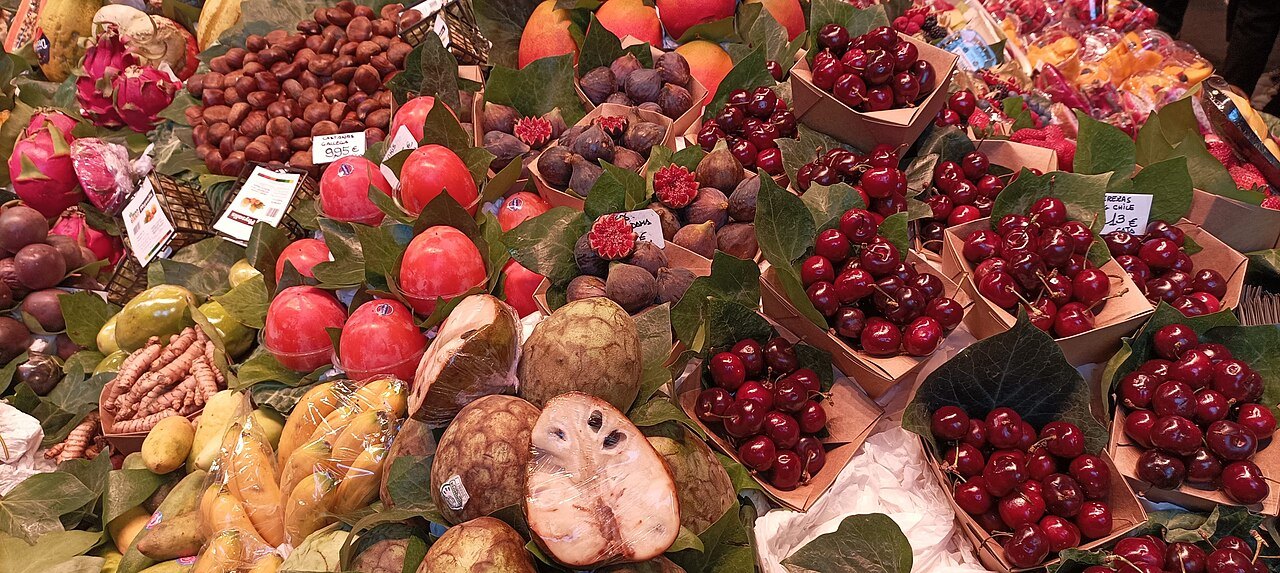
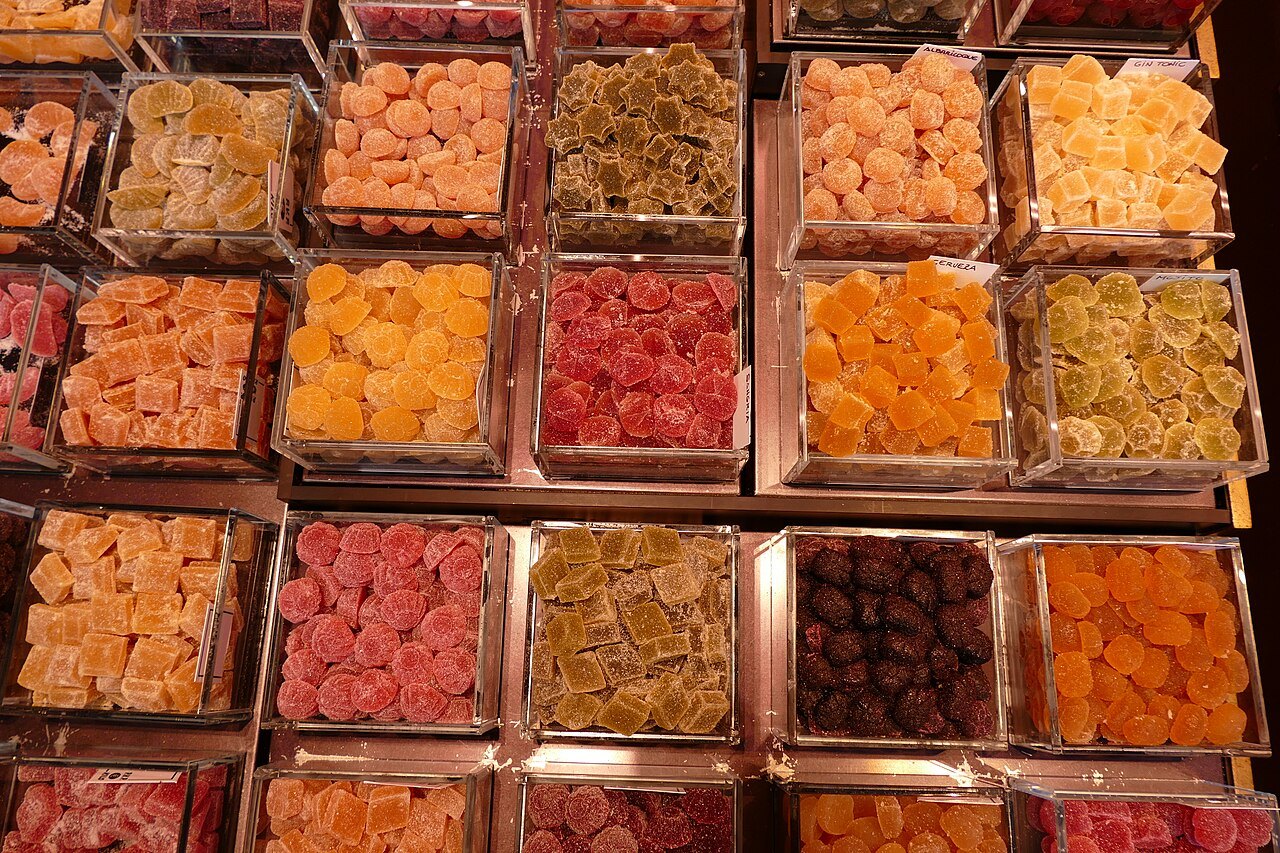
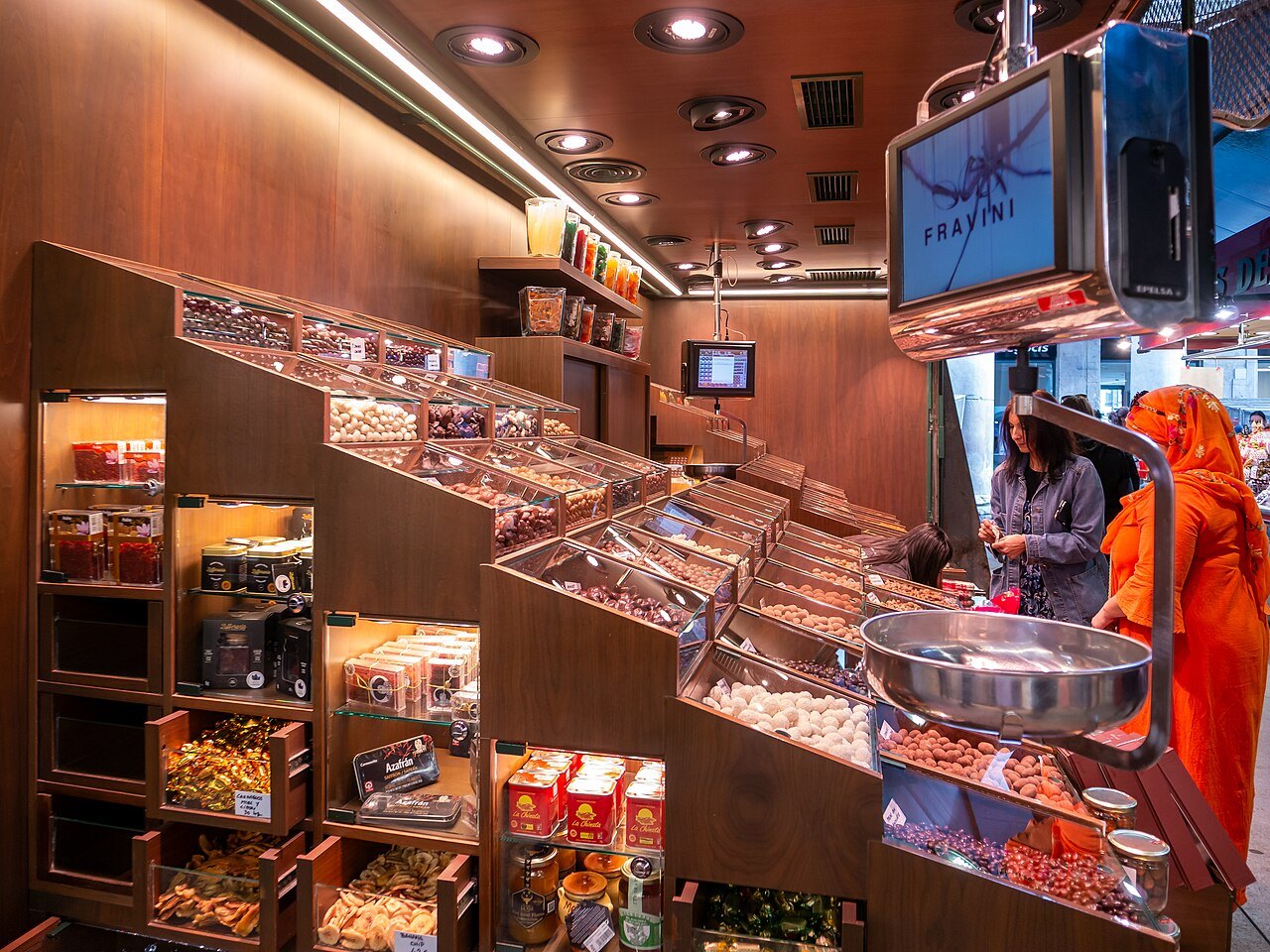
The market covers about twenty-six hundred square meters and holds more than three hundred stalls offering local and exotic products, and it is the most visited by tourists of any market in the city.
What it is today
La Boqueria is a large public market in the Ciutat Vella district and one of the city's foremost tourist landmarks. Its entrance is on the Rambla, not far from the Liceu opera house, and it sits in the Raval, which has its own tourist sights. The market has a very diverse selection of goods.
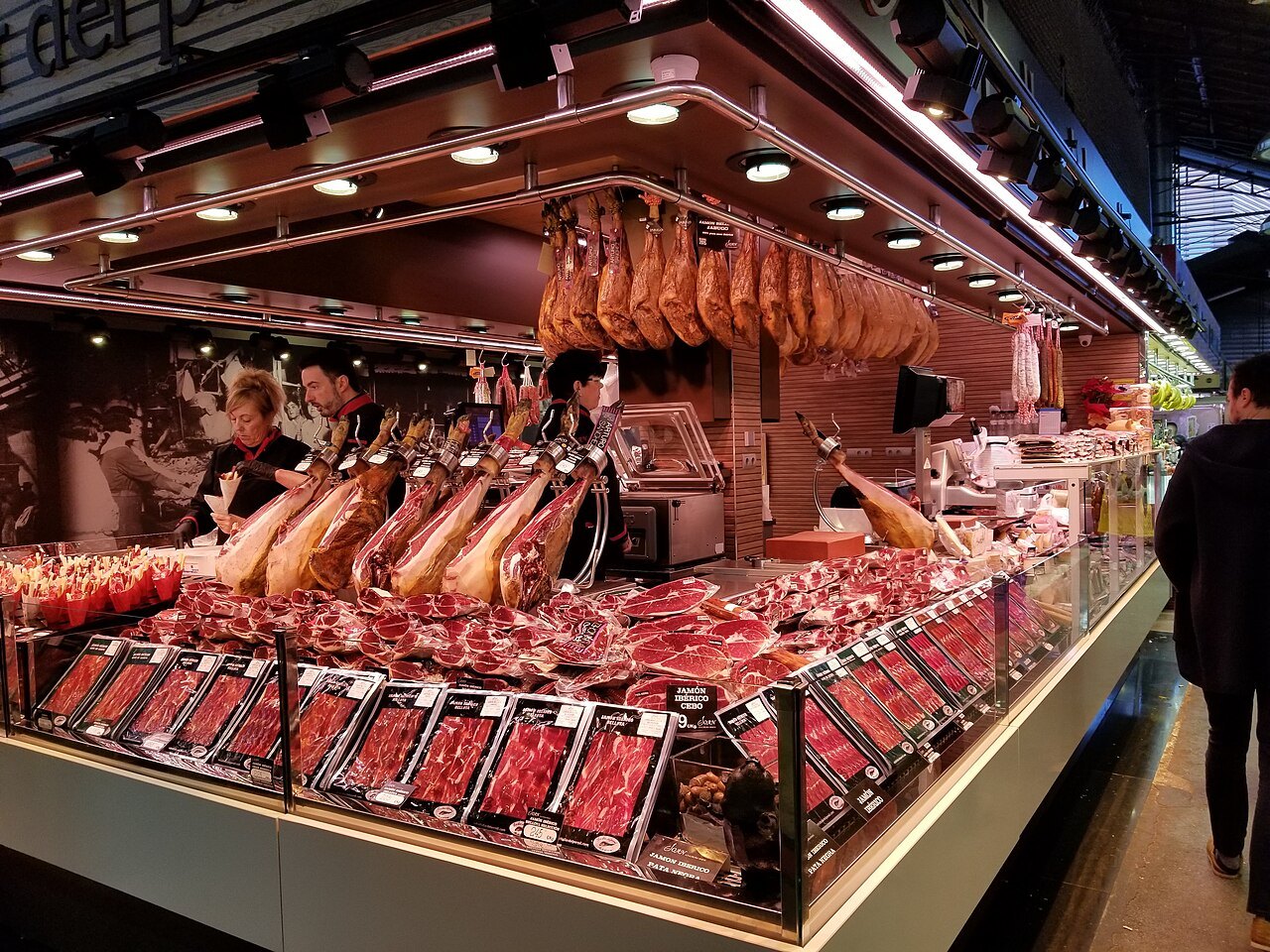
Visitors and neighbors use it together, which is part of the character. Everyday shopping sits alongside sightseeing. The columns freed in the 2000 renovation make it easier to see the hall's structure, so look up at the roof as well as at the counters, and notice how the five naves bring daylight down onto the stalls below, the way a nave of a church would.
Eating around it
The market is the center of a food district. The Raval lies on one side and the Gothic Quarter on the other, and the streets around are full of small restaurants. For tips on what to eat and how to read a Catalan menu, see the guide to eating and drinking.
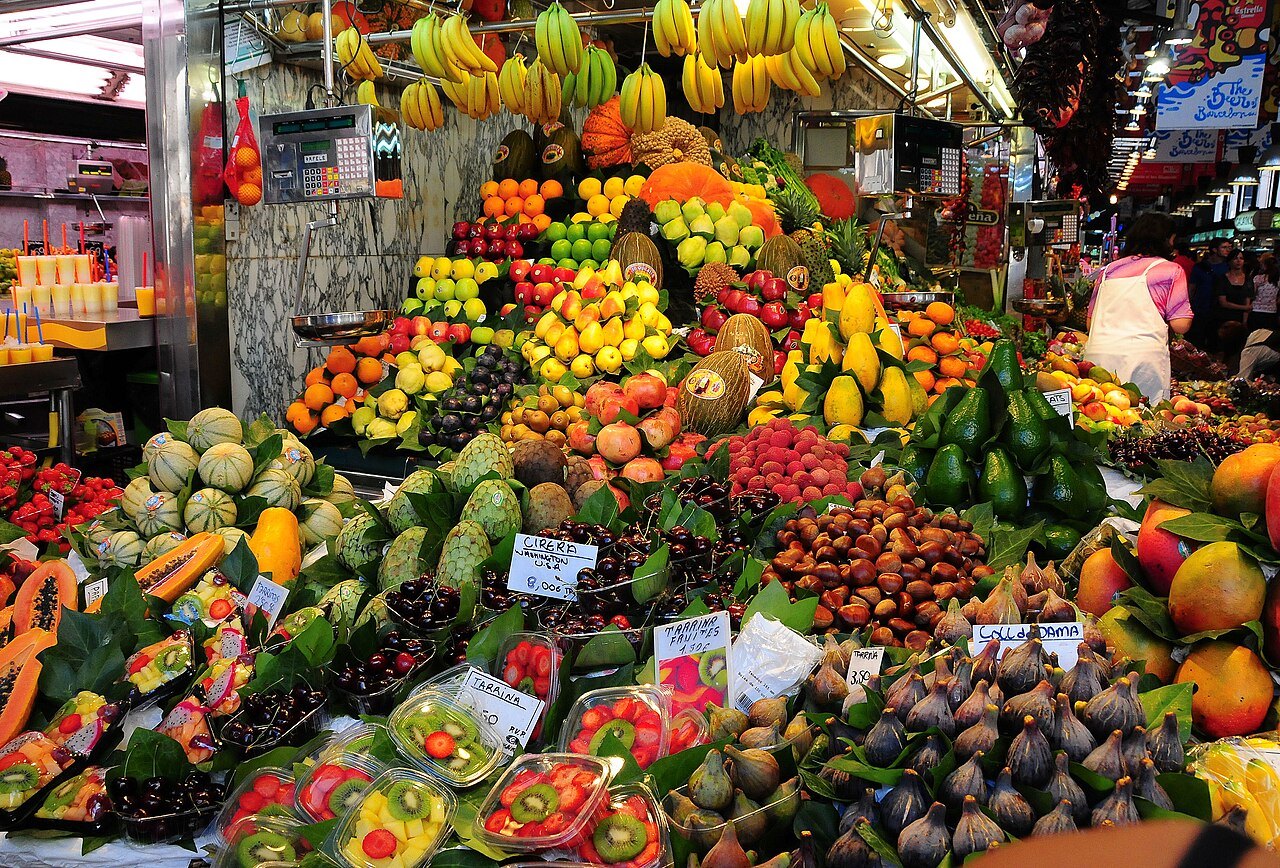
A sensible approach is to buy something to eat from a stall, step out of the busiest aisle and carry on. The market is a place for ingredients and a short visit is enough to see the whole of it.
On the street outside
The market opens off the stretch of the Rambla that is named for Saint Joseph and is known for its flower stands. Beside it stands the Palau de la Virreina, a historic building whose owner once allowed passage for the fish market, and the Liceu theater, where operas and ballets are staged, is a short walk down the street.
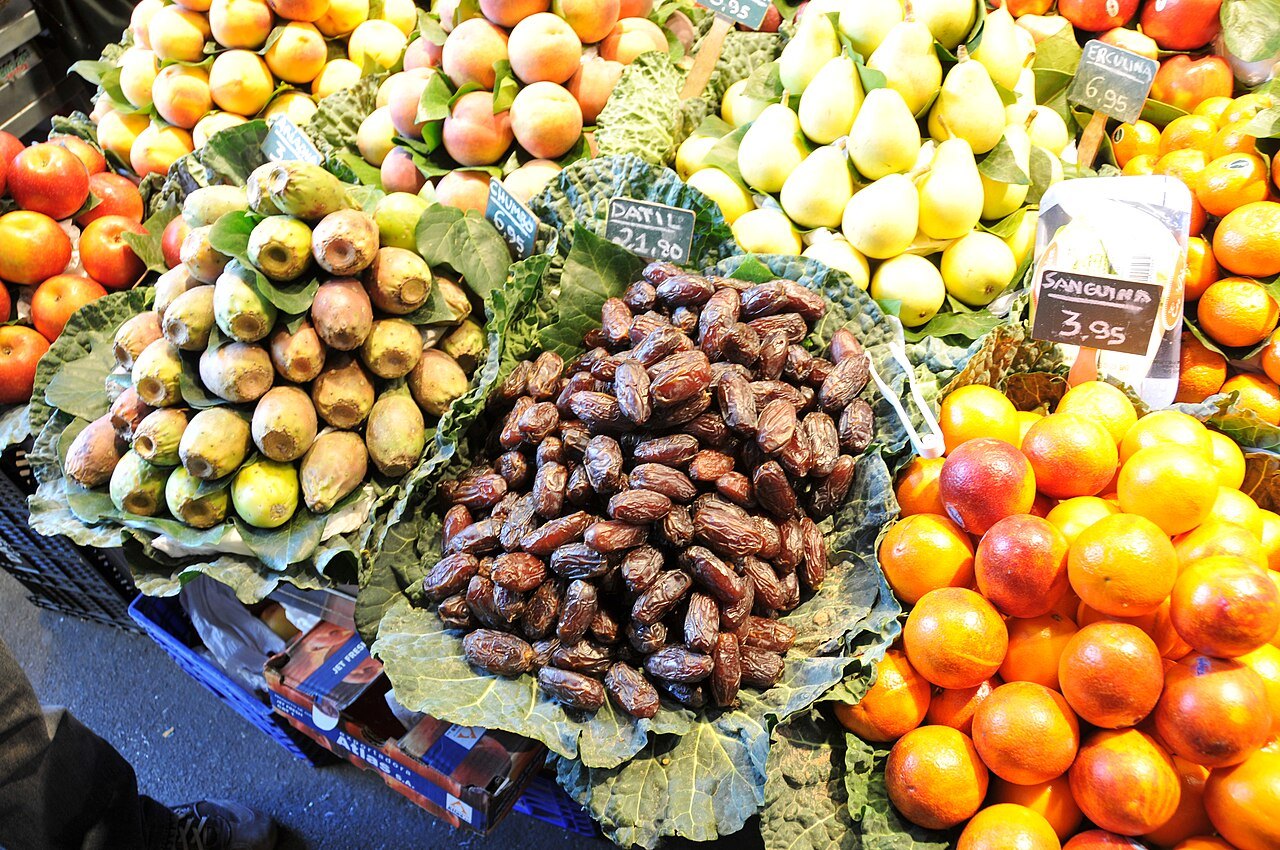
Each Rambla has its own specialty, and the market is the one that gives the street its daily errand: a place to buy fish, meat and produce in the middle of the sightseeing. Les Rambles are among the most frequently traveled streets by pedestrians in Barcelona, so a market entrance at this spot has always had foot traffic.
Nearby
Where to go next
- Nearby · Ciutat VellaLa RamblaLa Rambla is the best-known street in central Barcelona: a tree-lined pedestrian promenade about a kilometer and a quarter long that connects the Plaça de Catalunya with the Columbus Monument at Port Vell.Read the page →
- Nearby · Ciutat VellaThe Gothic QuarterThe Gothic Quarter, El Gòtic, is the historic center of Barcelona's old city, running from the Rambla to Via Laietana.Read the page →
- Nearby · El RavalPalau GüellThe Palau Güell is a city mansion Antoni Gaudí built for the industrialist Eusebi Güell between 1886 and 1888, in a narrow street of El Raval just off the Rambla.Read the page →