Home · Sights · The Parc de la Ciutadella and the Arc de Triomf
Parc de la Ciutadella: a fortress turned into a park
What you are looking at
Ciutat Vella · La Ribera
- 1The CascadaA triumphal-arch fountain of 1888 by Josep Fontserè, with a crab-claw staircase and a young Gaudí's contribution.
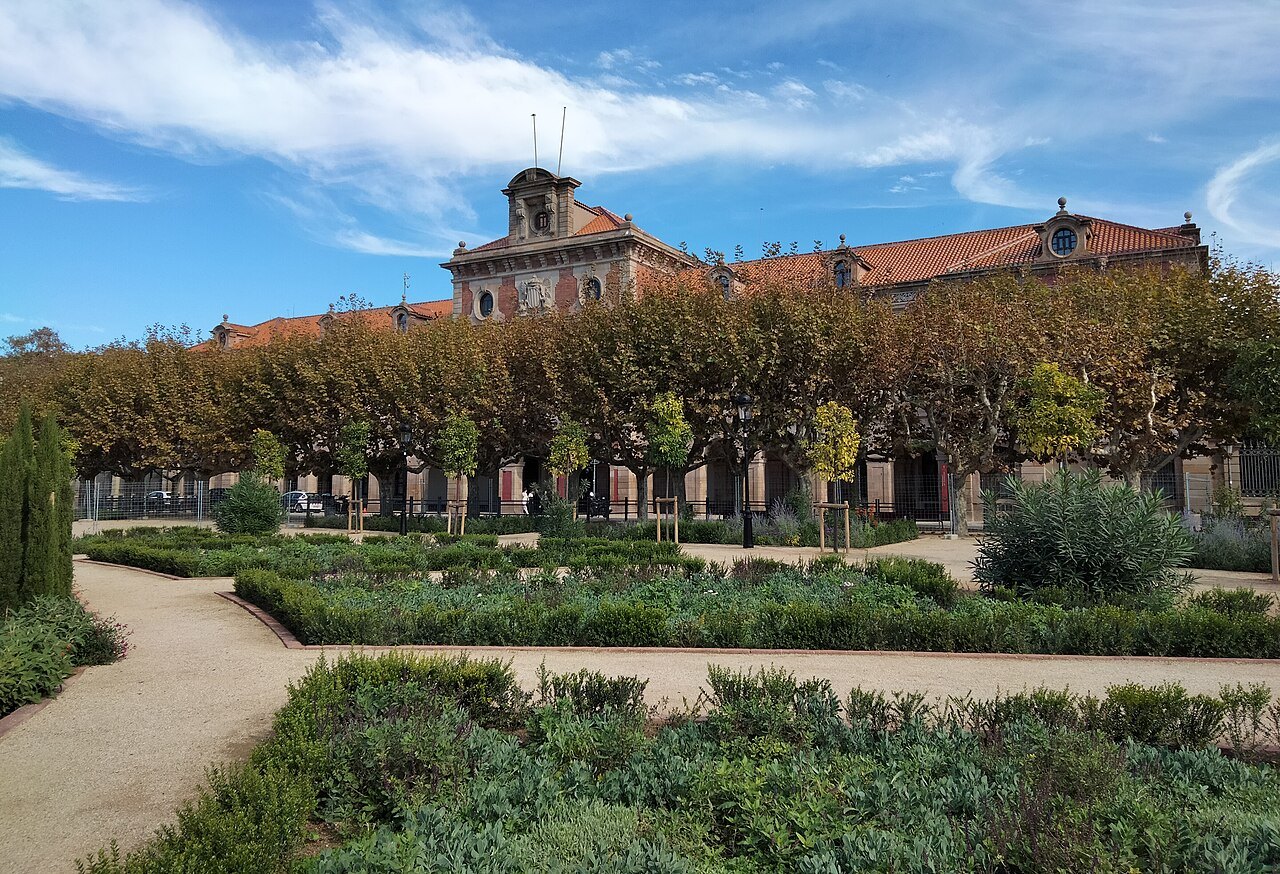
- 2The ParliamentThe Palau del Parlament de Catalunya, in the former arsenal of the citadel.
- 3The Castell dels Tres DragonsA red-brick exhibition building by Domènech i Montaner for the 1888 fair.
- 4The zooOpened in 1892 in buildings left over from the exposition.
- 5The lakeA small lake with boats, in the heart of the park.
Reading the place
The sight in full
The fortress
In 1714, during the War of the Spanish Succession, Barcelona was besieged for thirteen months by the army of Philip V of Spain. The city fell, and to maintain control and prevent the Catalans from rebelling as they had in the previous century, Philip built the citadel of Barcelona, at that time the largest fortress in Europe.
A substantial part of the district it was built in, La Ribera, was destroyed to obtain the space, leaving its inhabitants homeless. The fortress had five corners, which gave it defensive power, and a rather wide surrounding margin that served as a field for the army's cannon. It included enough buildings to house eight thousand people, and hundreds of Catalans were forced to work on it for three years, while the rest of the city paid a new tax, the cadestre, to fund it.
Taking it down
The citadel was hated by the people of Barcelona, and in 1841 the city authorities decided to destroy it. Two years later, in 1843, under the regime of Maria Cristina, it was restored. In 1848, after her abdication, as the citadel lost its use, General Espartero razed most of the buildings and walls by bombarding it from the mountain fortress of Montjuïc, which helped him gain political popularity.
By 1869, as the political climate liberalized enough to permit it, General Prim handed the remains of the fortress over to the city, and some buildings were demolished under Catalan orders, because they were viewed as a symbol of central Spanish government. The neighborhood of Barceloneta had been built three decades after the fortress, in the quarter around it.
From fortress to garden
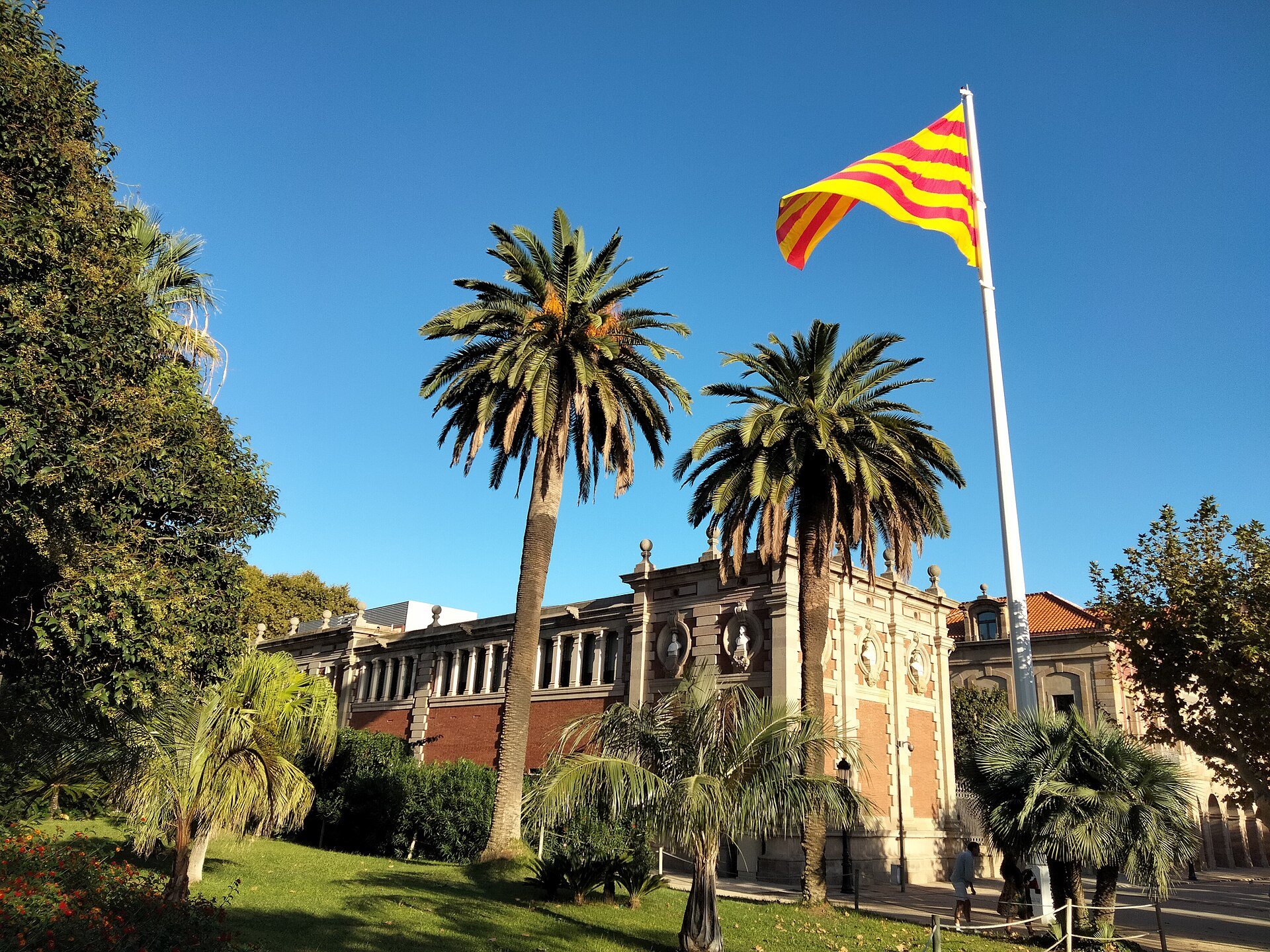
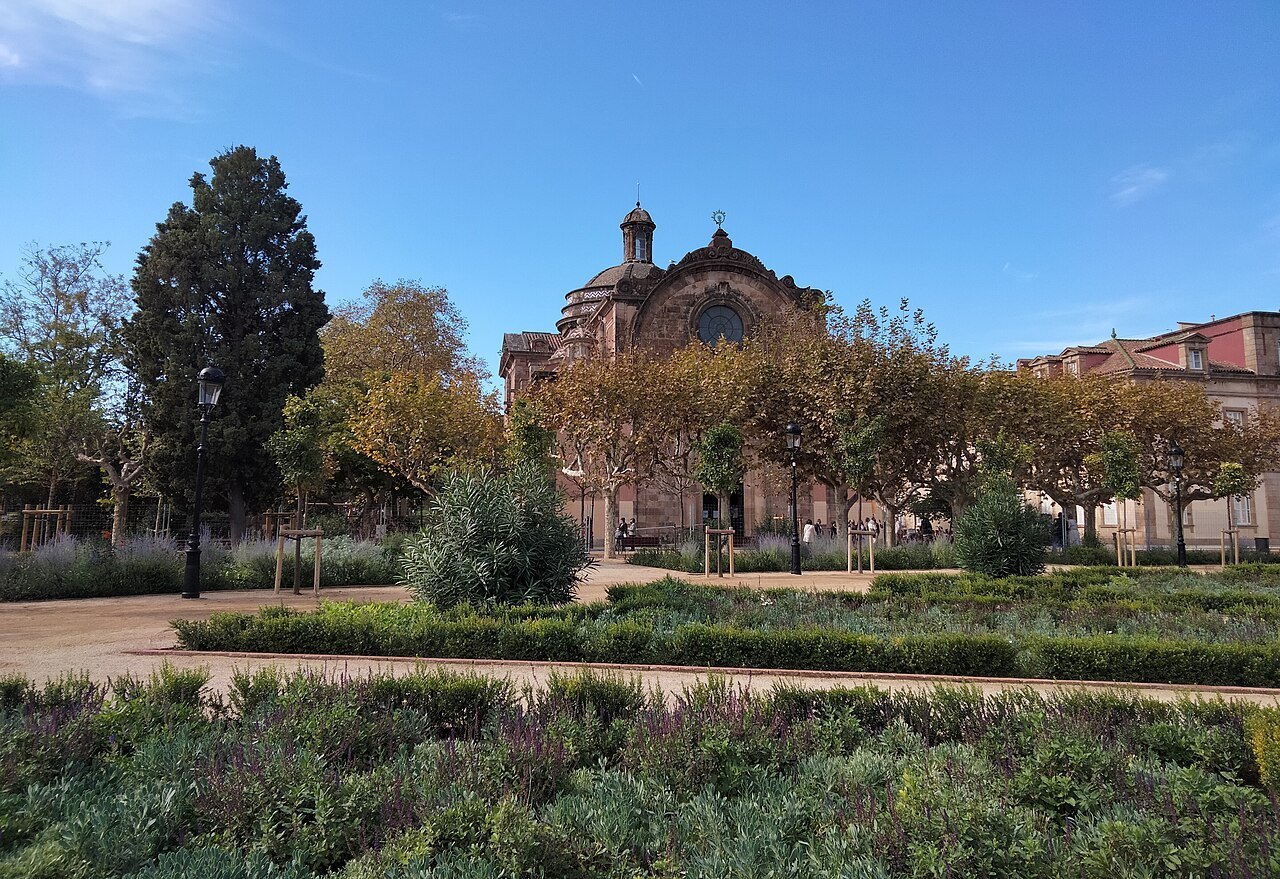
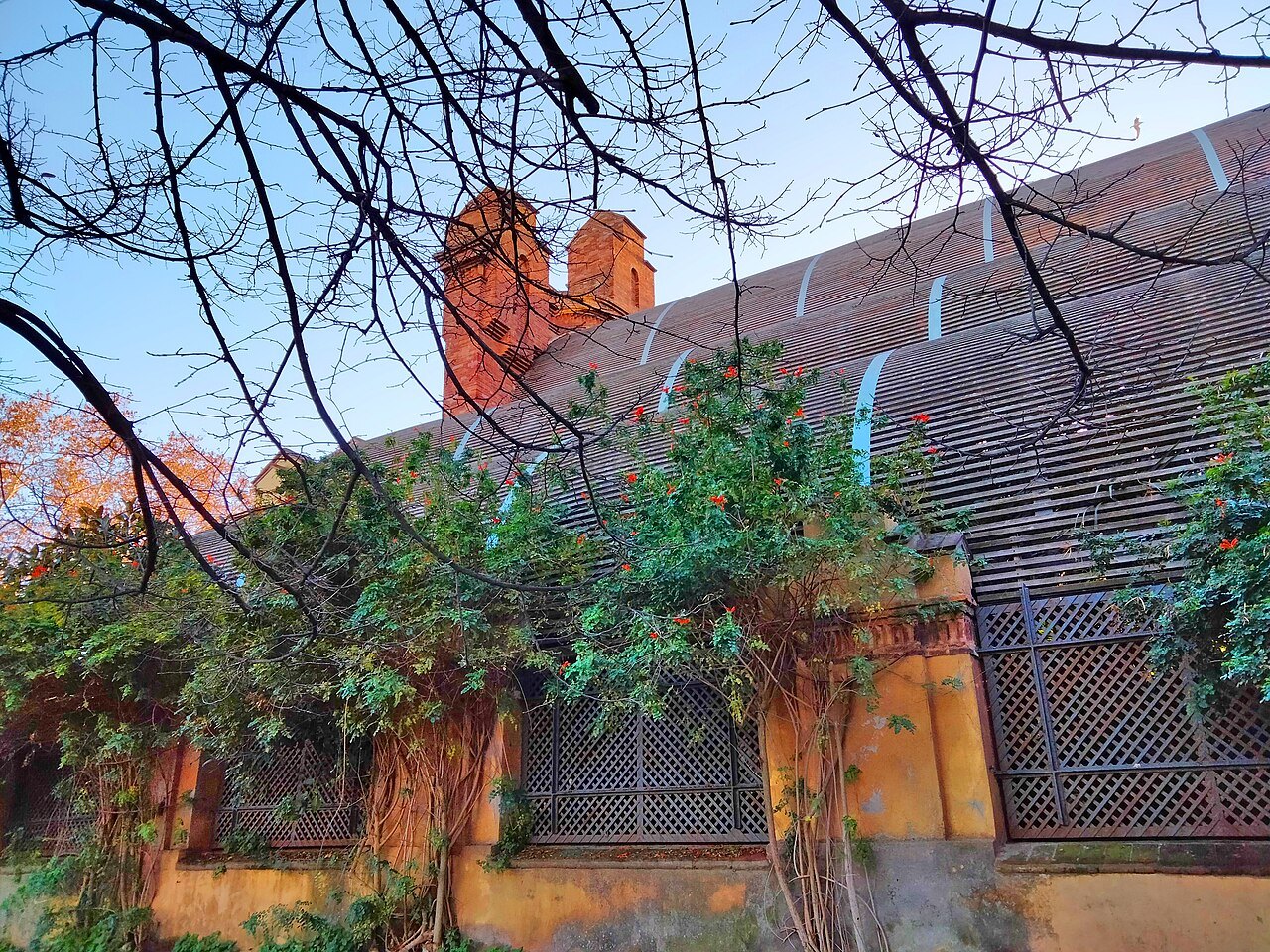
Three buildings of the citadel remain: the chapel, now the Military Parish Church of Barcelona, the Governor's palace, now a secondary school, and the arsenal, now the home of the Catalan Parliament. The rest of the site was turned into the park by the architect Josep Fontserè in 1872.
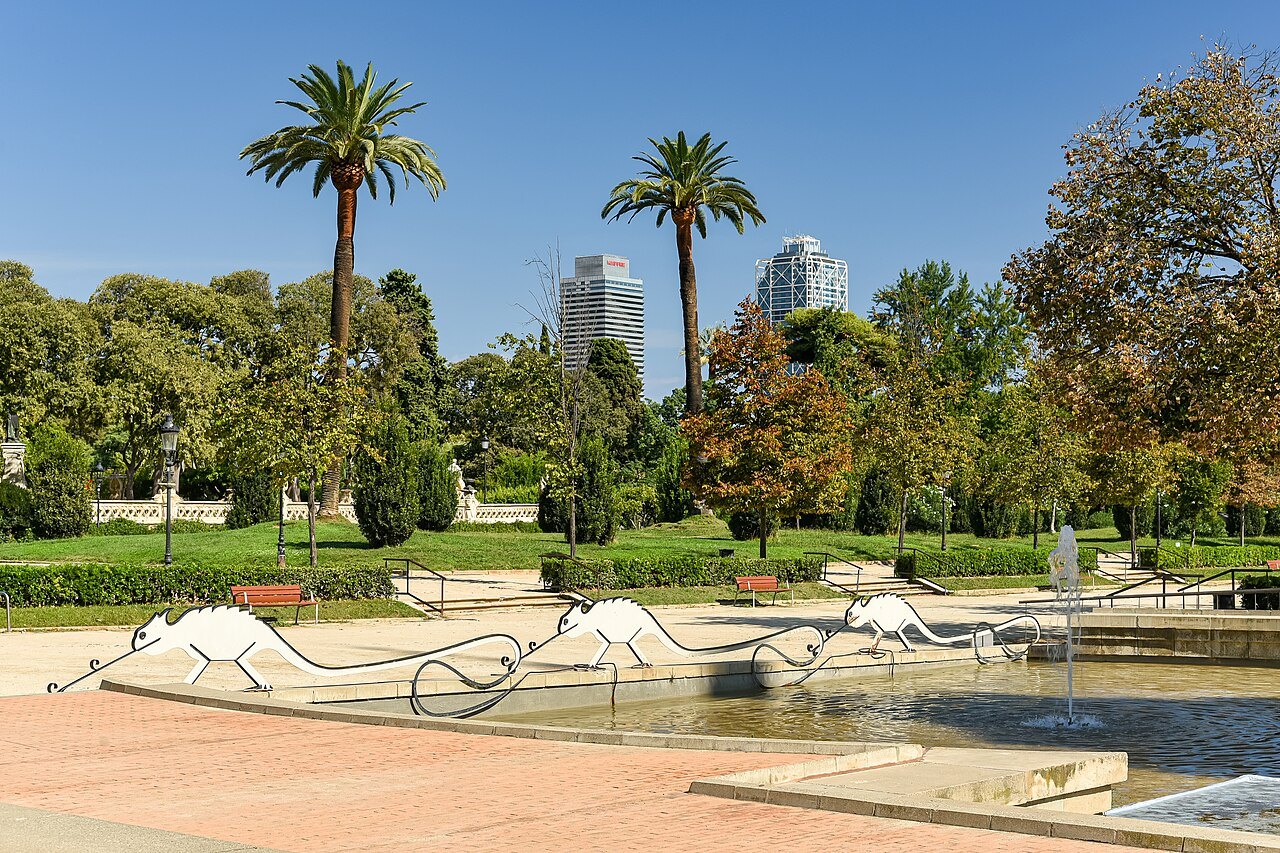
Nineteen years later, in 1888, Barcelona held the Universal Exposition, inspired by Mayor Rius i Taulet, and the park was redesigned with the addition of sculptures and other works of art. That marked the end of the old provincial Barcelona and the beginning of a modern cosmopolitan city. The park now covers thirty-one hectares.
The Cascada
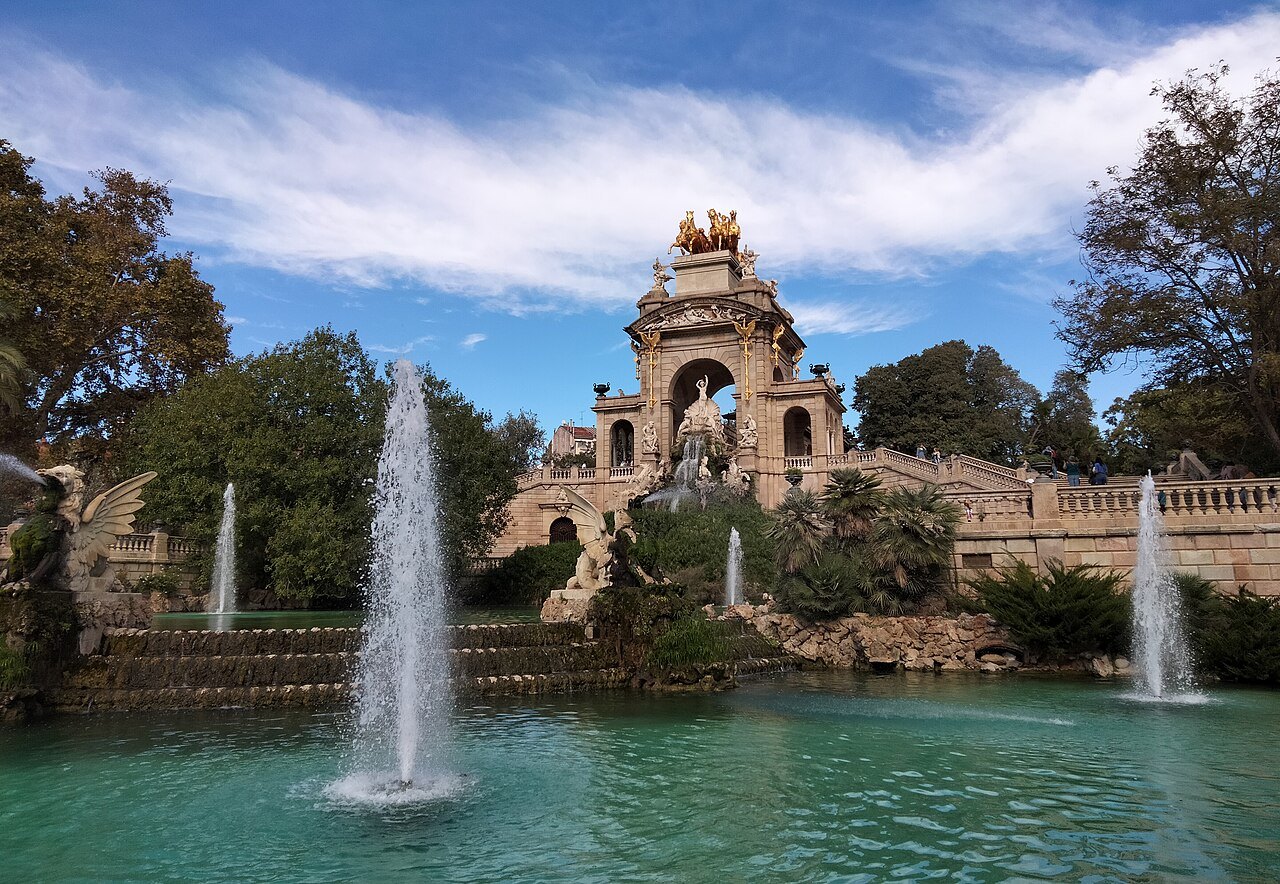
The Cascada, a waterfall, stands at the northern corner of the park opposite the lake. It was inaugurated in 1881 without sculpture or fine detail and was criticized in the press, after which this triumphal arch was amended with a fountain and other features, which took six years, from 1882 to 1888, before it was shown at the Universal Exhibition.
It was erected by Josep Fontserè and, to a small extent, by Antoni Gaudí, then still an unknown architecture student. Fontserè meant it to resemble the Trevi Fountain in Rome. Two giant crab claws serve as stairs to a small podium in the center, and in front stands a sculpture by Venanci Vallmitjana of Venus on an open clam. The whole is divided into two levels.
The Castle of the Three Dragons
The Castell dels Tres Dragons was built for the 1888 exposition by Lluís Domènech i Montaner as an exhibition building, mostly of red brick. In 1920 it reopened as the museum of zoology, where the most popular displays were a whale skeleton and exhibits for children.
The nearby Museu Martorell, the geology museum, was built the same year and was administered by the city from 1882 to 2010, with collections from the scientist Francisco Martorell i Peña, who left his collection, library and a sum of money to the city. Both museums were closed for a time, as the Museum of Natural Sciences planned new uses for them.
The zoo
The Barcelona zoo is in the park because a few buildings were left empty after the 1888 exposition. It was inaugurated in 1892 on the day of La Mercè, the city's patron saint, and its first animals were donated to the municipality by Lluís Martí i Codolar. From 1966 to 2003 the zoo was home to the albino gorilla Snowflake, who attracted many tourists from abroad and from the city.
The zoo's stated aim is to conserve, investigate and educate, and it runs workshops, excursions and courses, with more than fifty thousand children visiting each year.
A statue and its history
A bronze nude of a young man with raised arms, Als Voluntaris Catalans, commemorates the Catalan volunteers killed fighting under the Allied flags in the First World War. The sculptor Josep Clarà finished it in 1923, but the rise of Primo de Rivera held up the project, and under Franco public acts of Catalan self-determination were impossible, so the inauguration was postponed for thirteen years.
The statue was later the object of vandalism and of official suppression: on the occasion of the Eucharistic Congress of 1952 it was hidden behind a huge screen.
Using the park
Treat the Ciutadella as a green room between the Born and Barceloneta. It is a place to sit by the lake or walk under the trees, with the Parliament, the Cascada and the zoo as stops, and the Gothic Quarter and the old church of Santa Maria del Mar a short walk away.
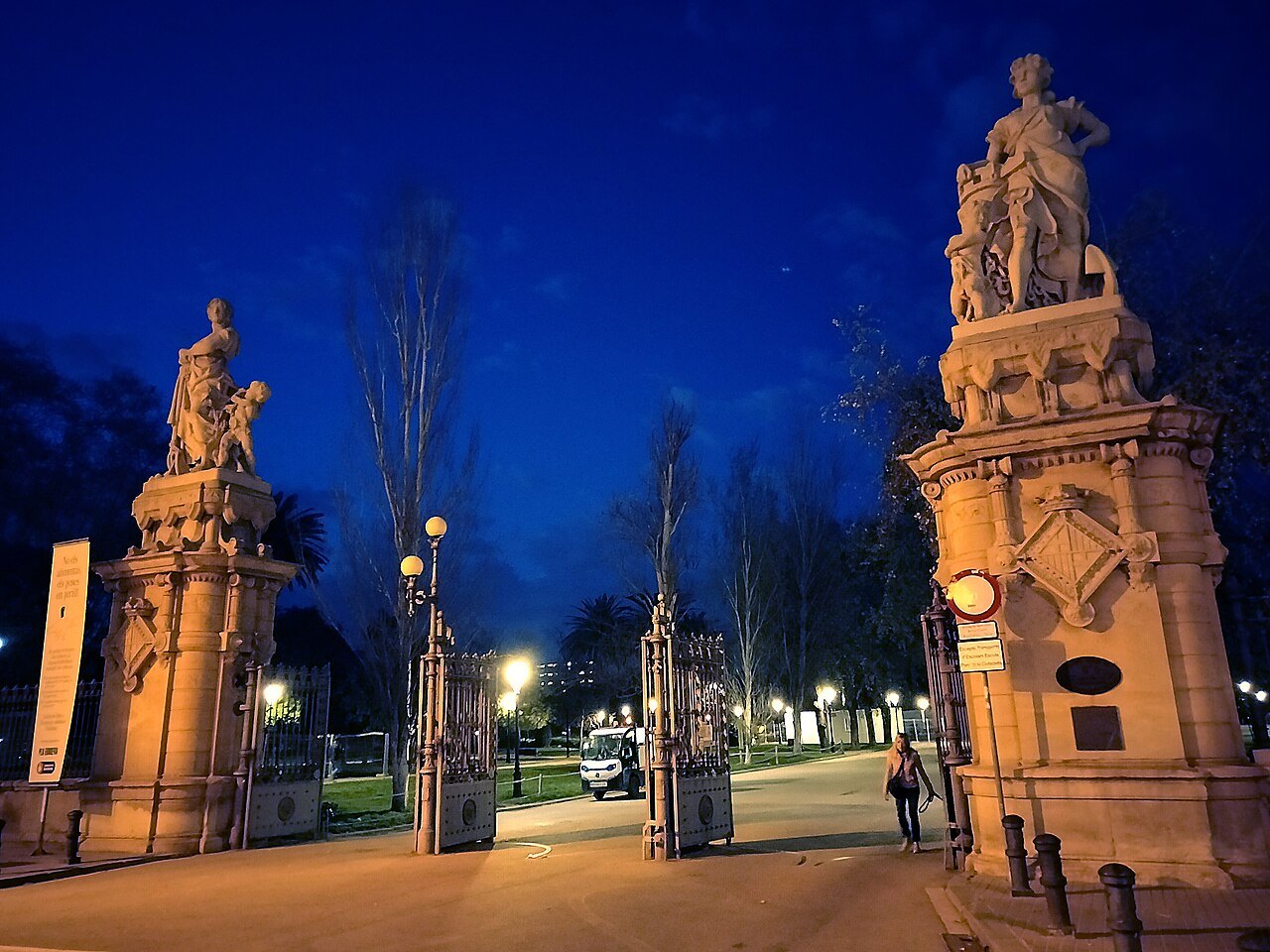
Notice how many layers the park carries: a fortress that was an instrument of conquest, a world's fair, the seat of a parliament and a children's zoo, all on one patch of ground.
Nearby
Where to go next
- Nearby · Ciutat Vella · seafrontLa BarcelonetaLa Barceloneta is a triangular neighborhood of narrow streets beside the Mediterranean, built in the eighteenth century for families displaced by the construction of the Ciutadella fortress.Read the page →
- Nearby · La Ribera · Ciutat VellaSanta Maria del MarSanta Maria del Mar is a church in the Ribera district, built between 1329 and 1383 at the height of Catalonia's maritime and mercantile power.Read the page →
- Nearby · Sant Martí · PoblenouTorre GlòriesTorre Glòries, formerly the Torre Agbar, is a thirty-eight-story tower designed by the French architect Jean Nouvel.Read the page →