Montjuïc: the hill above the harbor
What you are looking at
Sants-Montjuïc
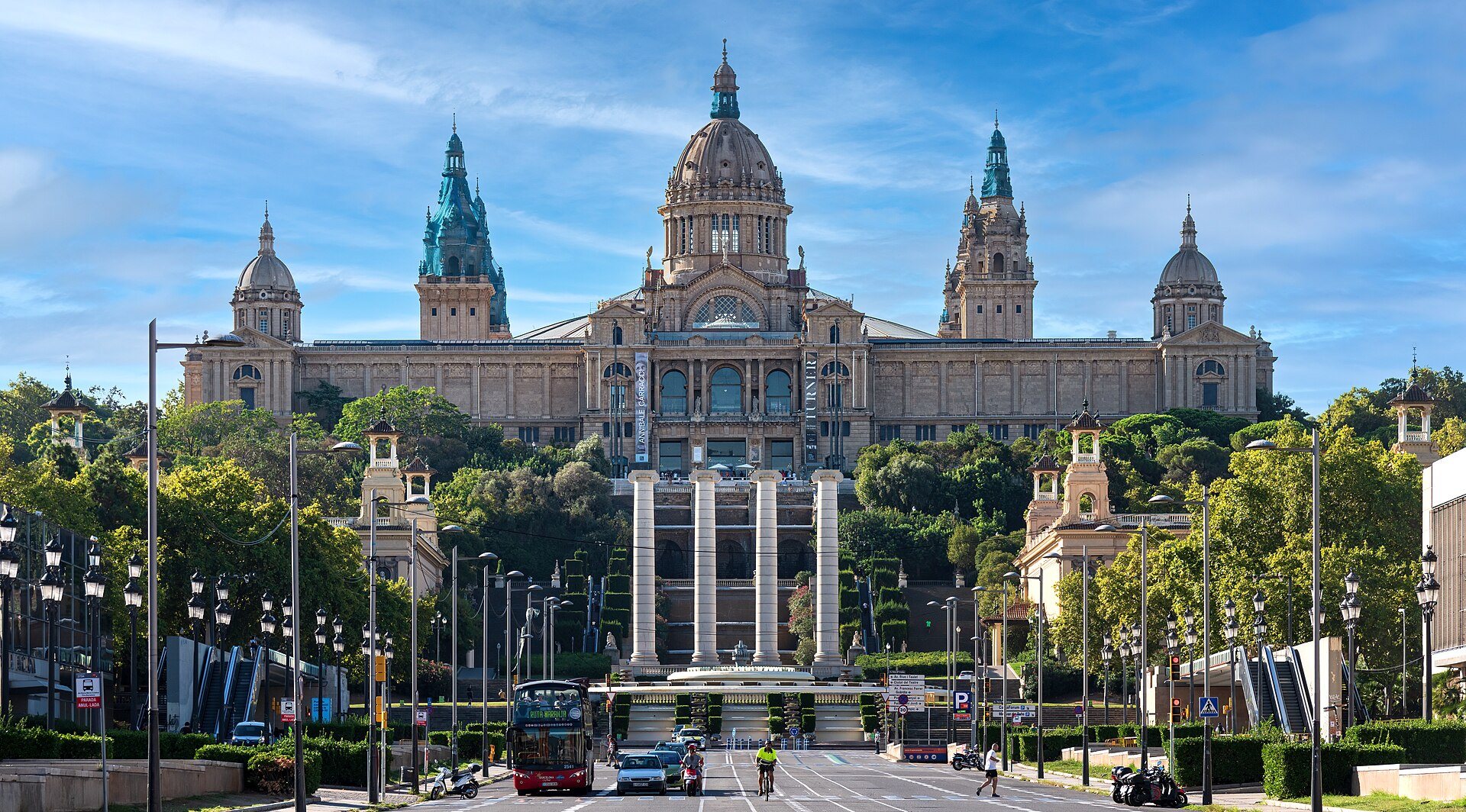
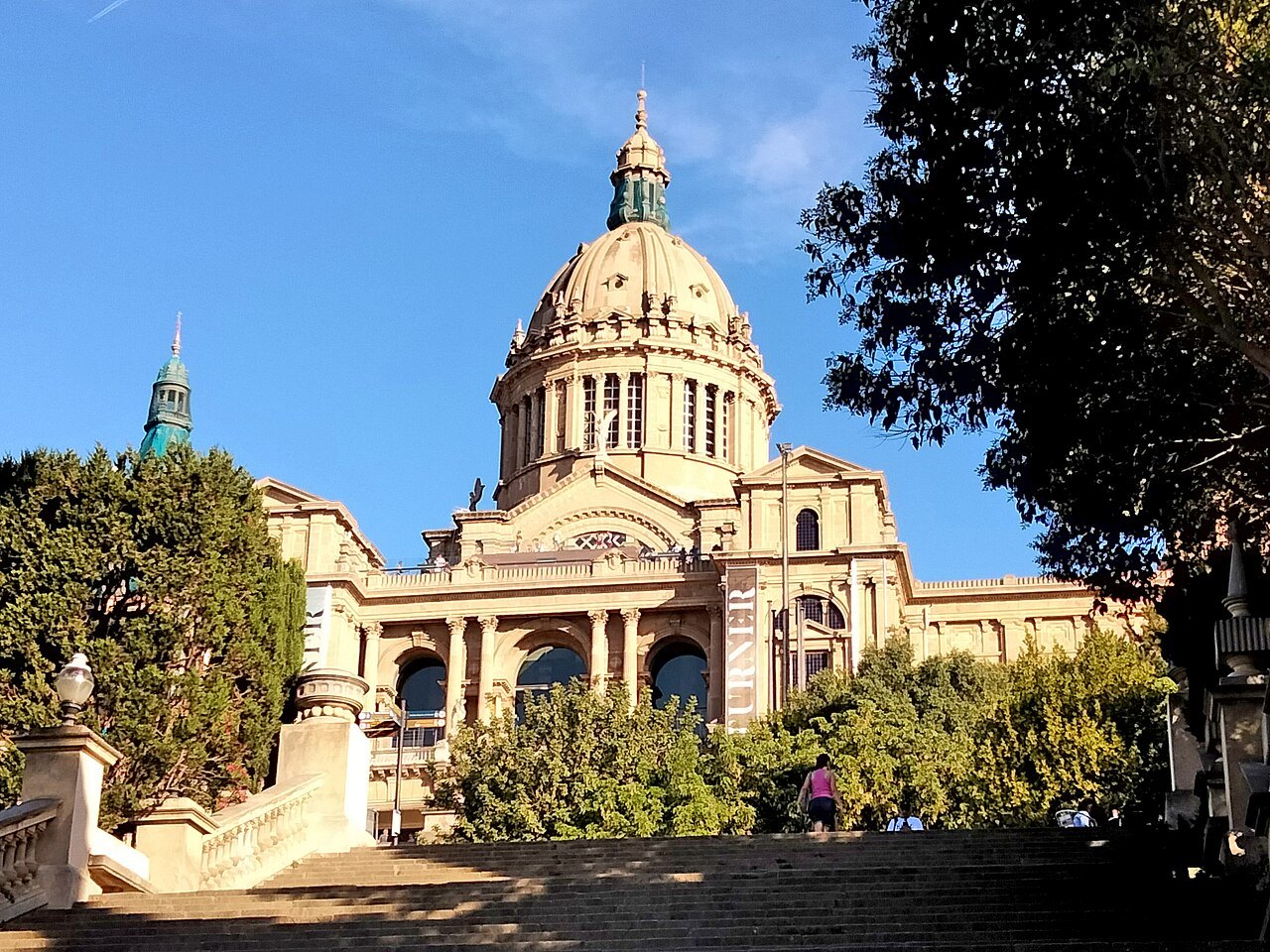
- 1The Palau NacionalThe grand exhibition palace of 1929, now the Museu Nacional d'Art de Catalunya.
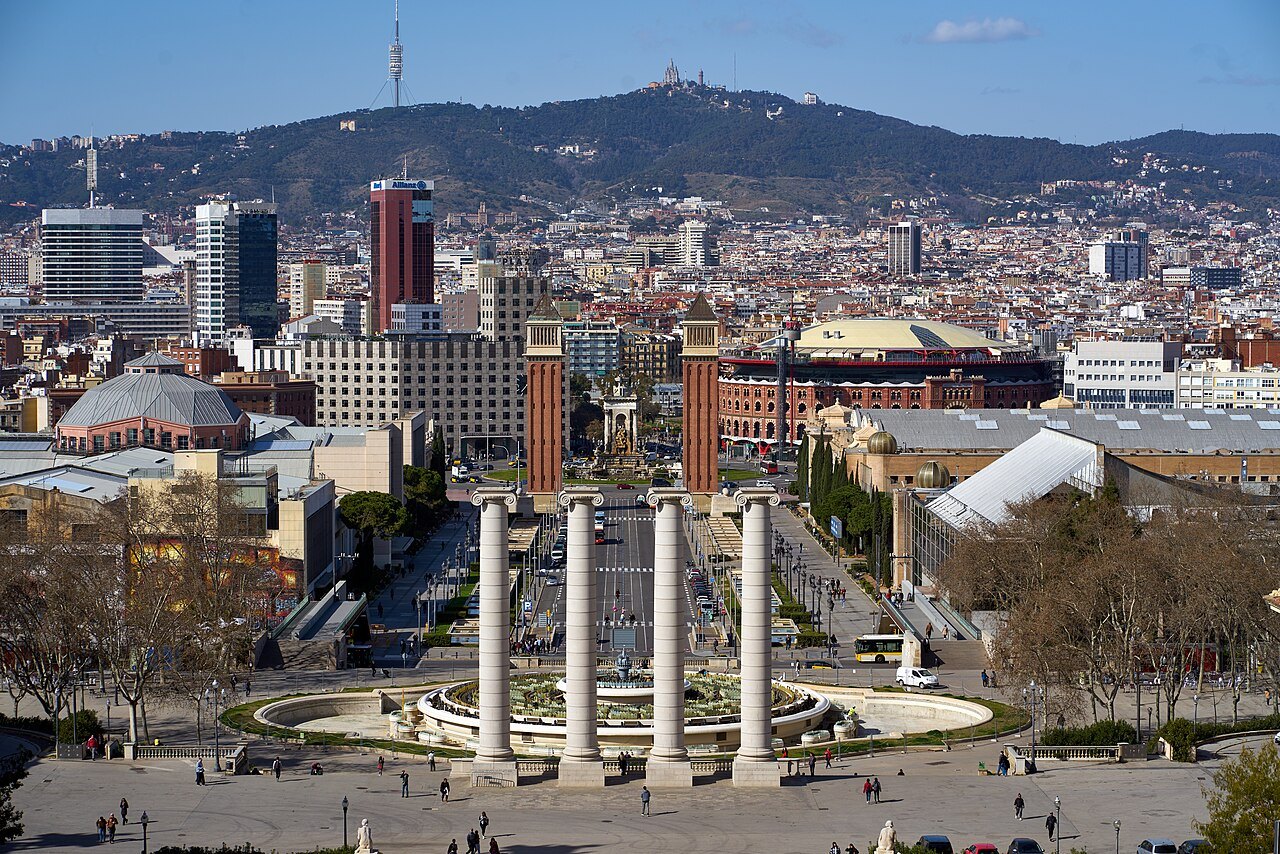
- 2The Magic FountainThe ornate Font Màgica at the foot of the hill, at the top of a grand staircase of cascades.
- 3The Olympic RingThe 1992 sporting venues around the Estadi Olímpic, including Santiago Calatrava's telecommunications tower.
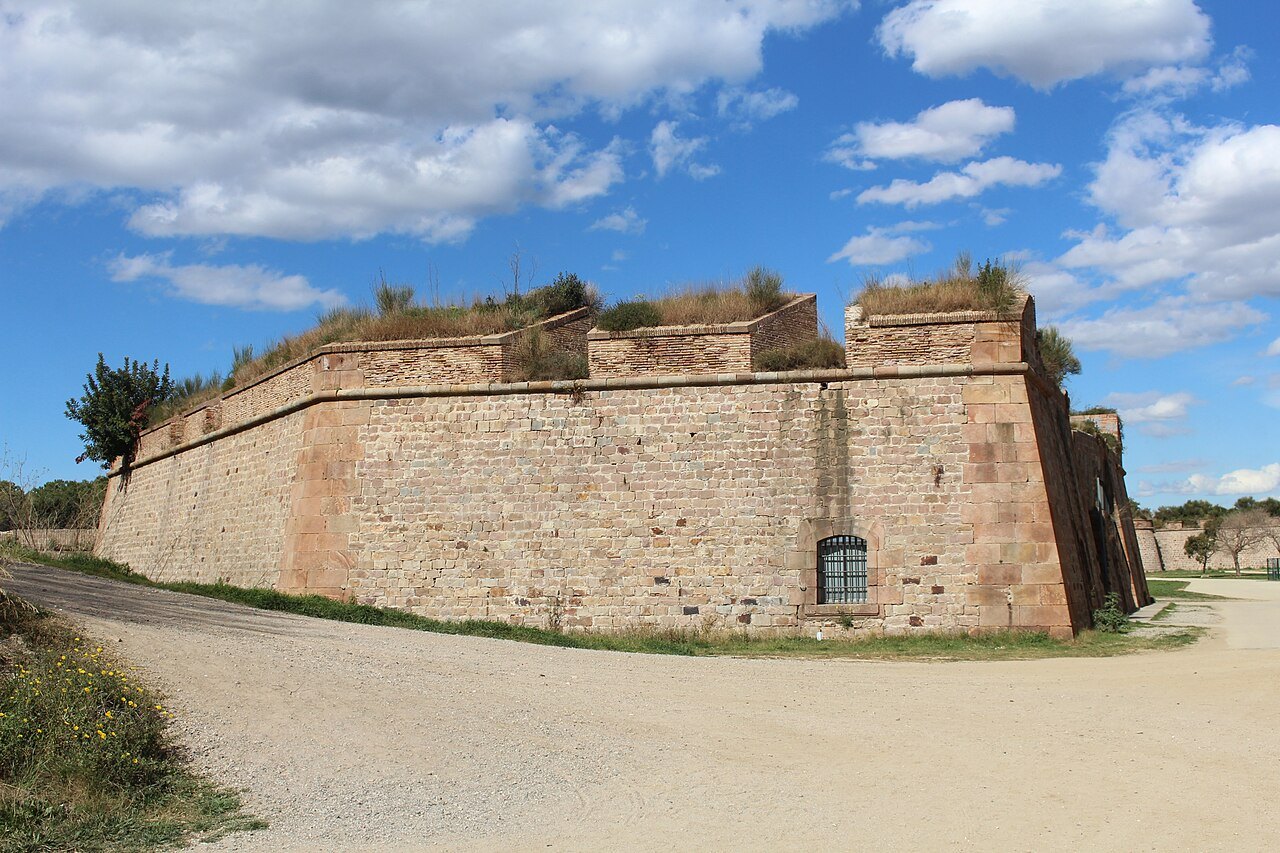
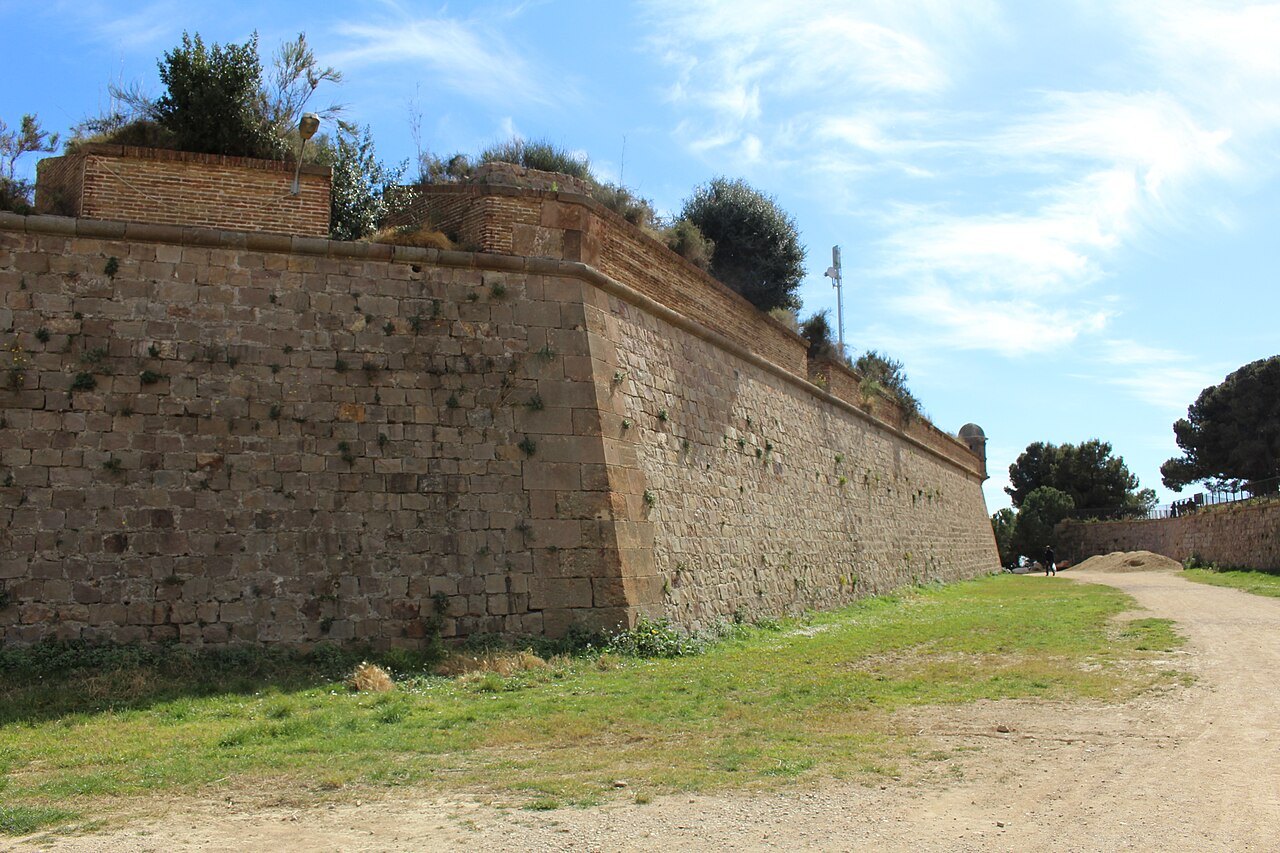
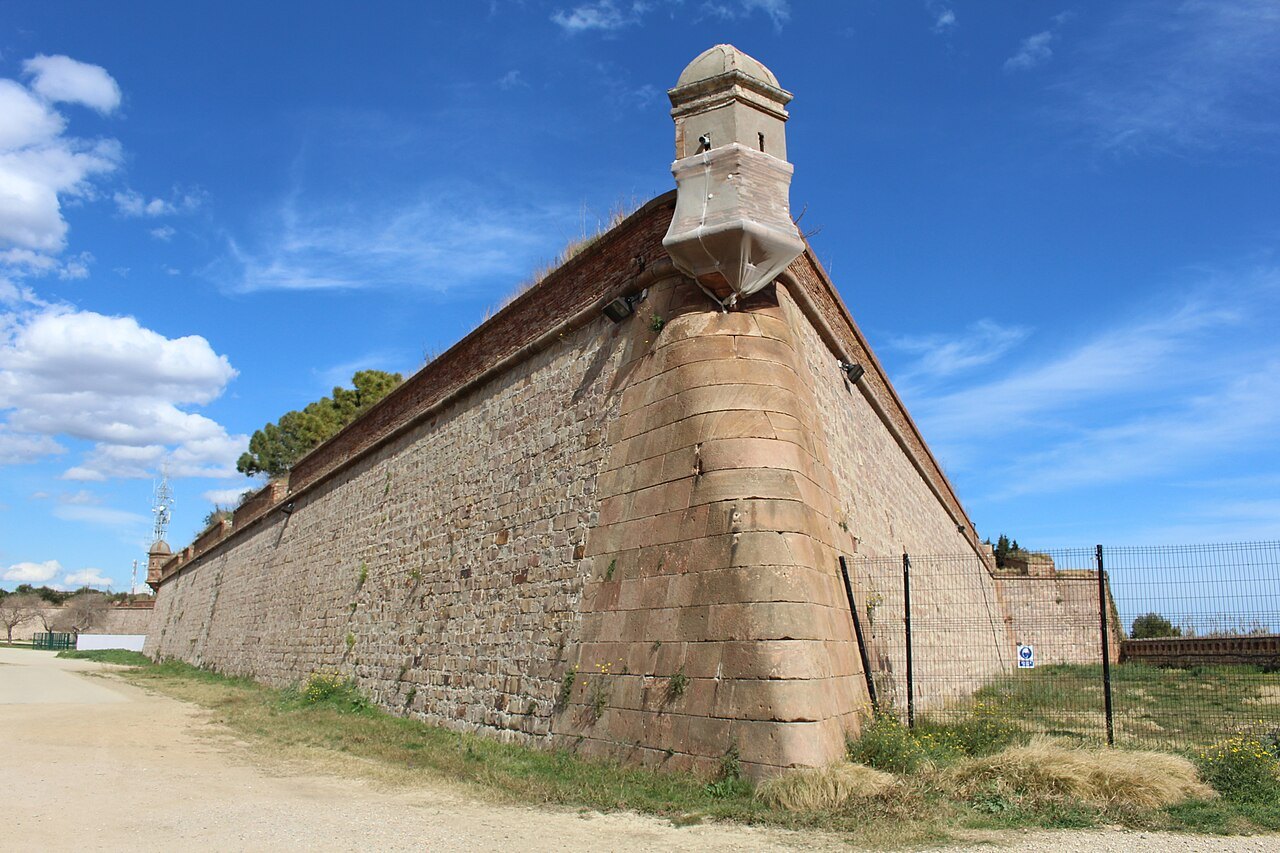
- 4The castleThe seventeenth-century fortress at the top, with eighteenth-century additions.
- 5Poble EspanyolA Spanish village of buildings in styles from across Spain, left over from the 1929 fair.
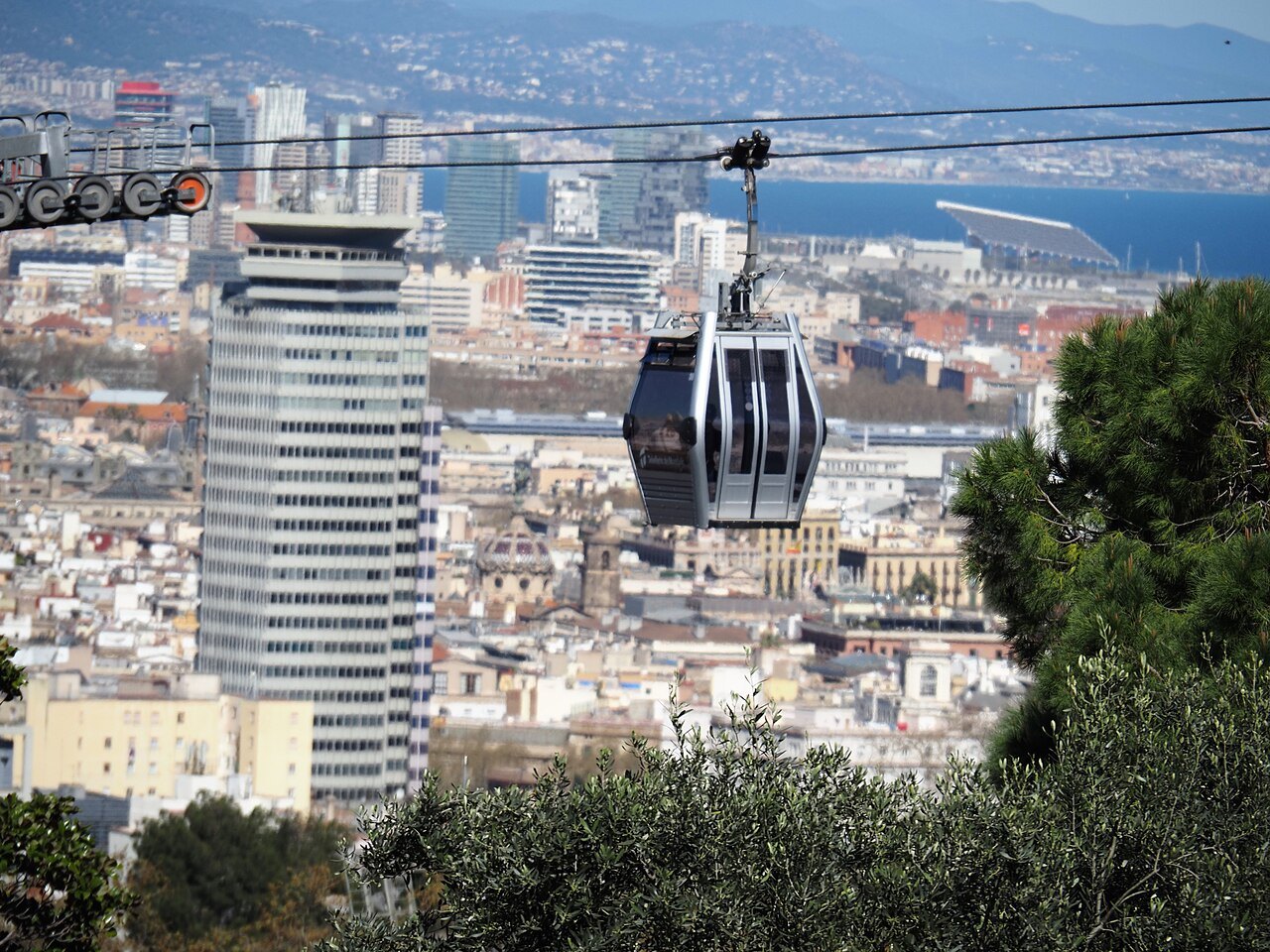
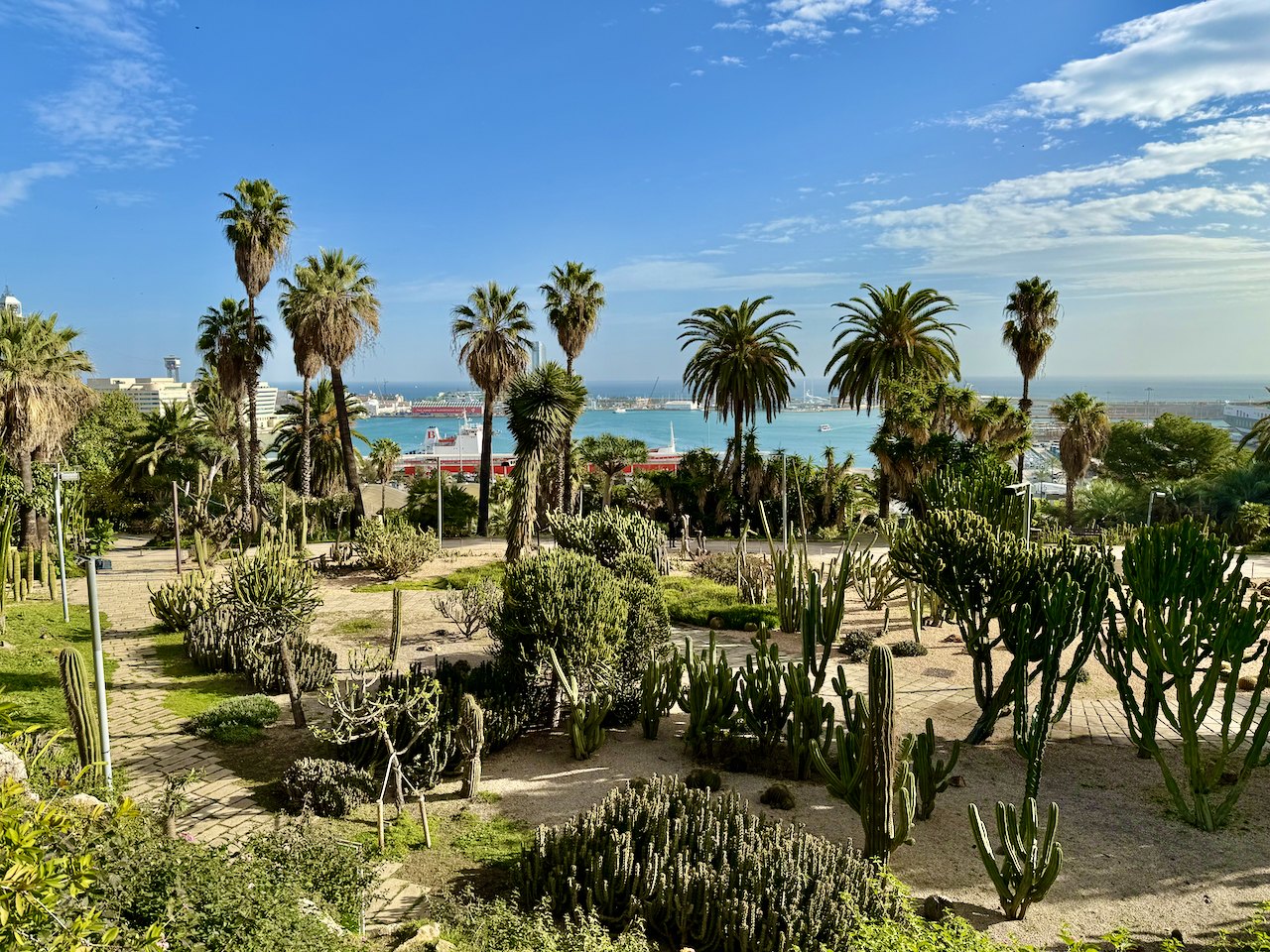
- 6The gardens and the liftsA funicular, a cable car and an aerial tramway to the harbor, with parks and botanical gardens on the slopes.
Reading the place
The sight in full
The birthplace of the city
Montjuïc is a broad, shallow hill with a relatively flat top overlooking the harbor to the southwest of the city center. Its eastern side is almost a sheer cliff giving a commanding view of the harbor below, and the top, at about a hundred and eighty-five meters, has held several fortifications. Because of its strategic location between the Mediterranean and the Llobregat River, an important channel of communication, it was the birthplace of the city.
During the Iberian period, and especially under the Romans, Montjuïc became the main quarry of Barcelona, drastically changing the shape of the mountain. Coins of the third century BC found on the hills at its foot carry the name Barkeno in Iberian script.
A name from a cemetery
Montjuïc translates as Jewish Mountain, from medieval Latin and Catalan, and remains of a medieval Jewish cemetery have been found there. Some sources suggest a link to the Latin phrase Mons Jovicus, the hill of Jove.
On 15 March 2007 the Generalitat of Catalonia declared the hill an area of Cultural Asset of National Interest because of the cemetery, considered the largest of its time in Europe.
Fortress and prison
The castle at the top dates largely from the seventeenth century, with eighteenth-century additions. In 1842 the garrison, loyal to the government in Madrid, shelled parts of the city. The castle served as a prison, often for political prisoners, until the time of General Franco, and it was the site of numerous executions.
In 1897 an incident popularly known as the Montjuïc trial led to the execution of anarchist supporters and a severe repression of the workers' rights struggle, and for a time the hill's name was synonymous with torture. During the Spanish Civil War both Nationalists and Republicans were executed there when their opponents held the site. Lluís Companys, the former president of the Generalitat, was executed there in 1940, after being extradited to the Franco government.
A hill for a world's fair
The slopes had traditionally been used to grow food and graze animals by the people of the neighboring Ciutat Vella. In the 1890s the forests were partially cleared to open space for parkland, and the hill was selected to host the 1929 International Exposition, which brought the first large-scale construction. The surviving buildings include the Palau Nacional, the Olympic stadium and the ornate Magic Fountain.
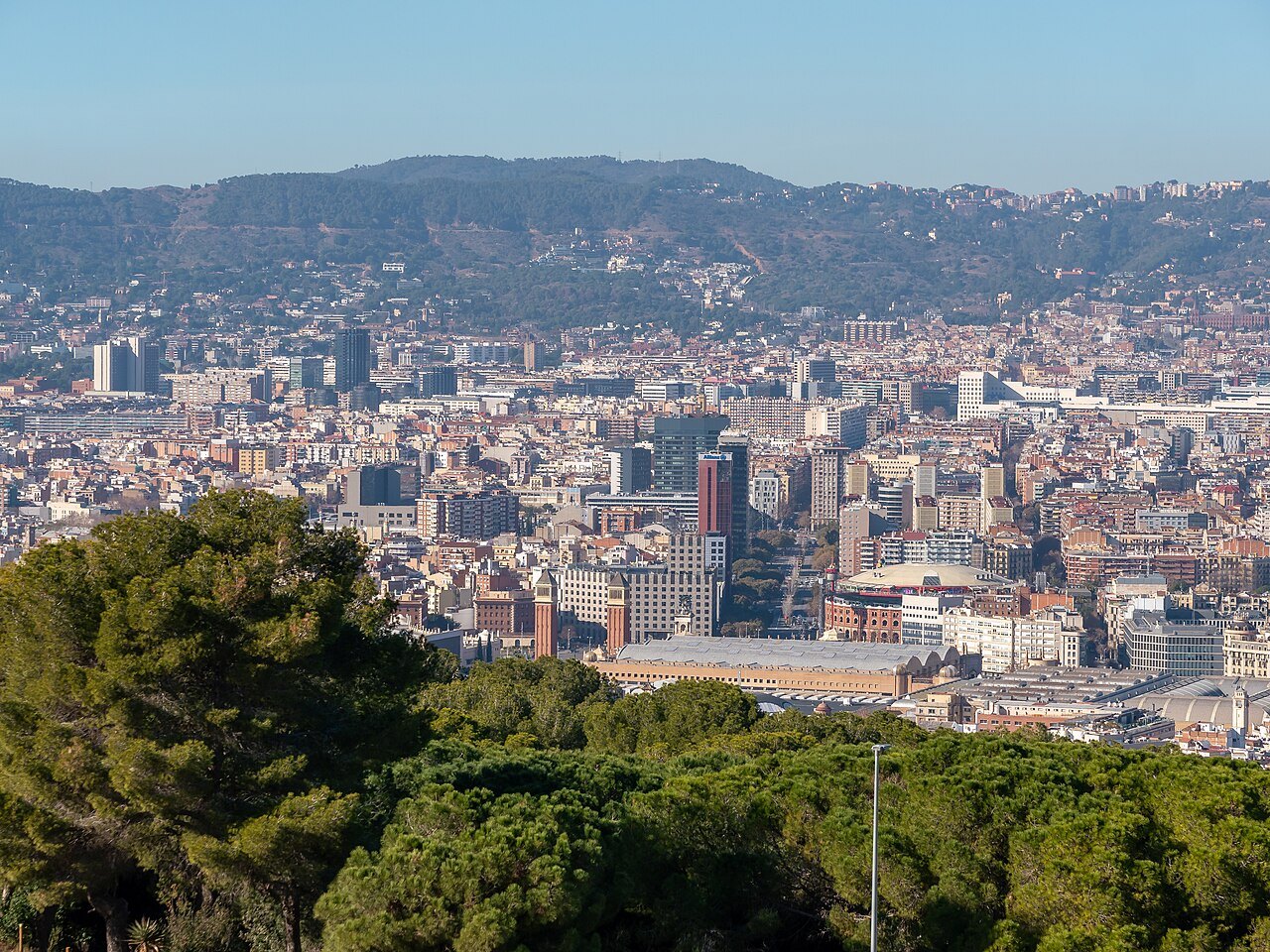
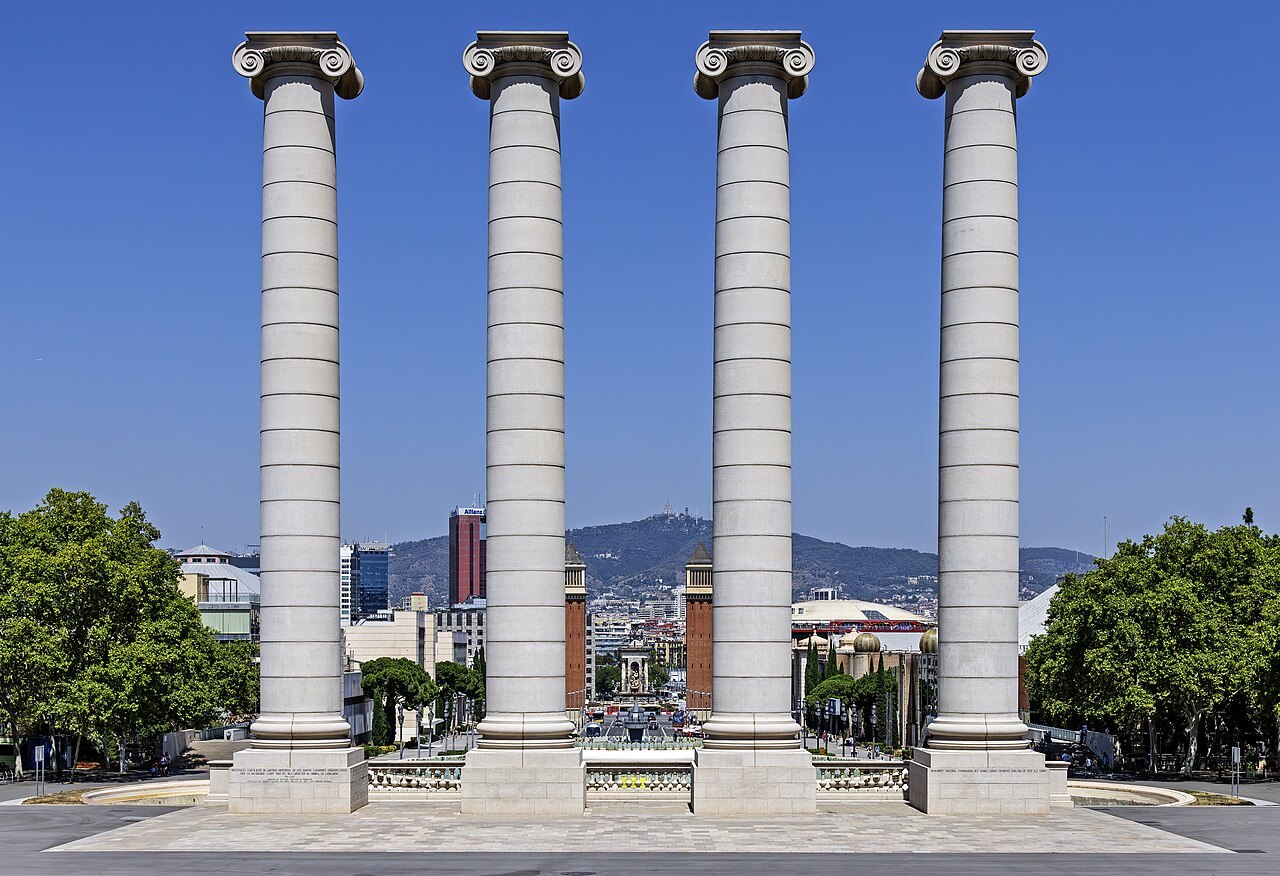
A grand staircase leads up from the foot of the hill at the south end of Avinguda de la Reina Maria Cristina, past the Font Màgica and through the Plaça del Marquès de Foronda and the Plaça de les Cascades to the Palau Nacional. On the western side of the hill the Poble Espanyol, a Spanish village of buildings in different regional styles, also survives, and at the foot, near the Plaça del Marquès de Foronda, Mies van der Rohe's German pavilion was built; it was demolished in 1930 and rebuilt in 1988.
The stadium and the Games
The Olympic stadium, also completed in 1929, was meant to host an anti-fascist alternative Olympics in 1936 in opposition to the Berlin Games, but the outbreak of the Civil War cancelled the plans. It was long home to the football team Espanyol, until the club left for a new stadium in 2008.
Montjuïc was the site of several venues for the 1992 Summer Olympics, centered on the stadium, which was extensively refurbished and renamed the Estadi Olímpic Lluís Companys, with some sixty-five thousand seats, and saw the opening and closing ceremonies. Around it the Anella Olímpica, the Olympic Ring, includes the Palau Sant Jordi arena, the swimming and diving pools, and Santiago Calatrava's slender telecommunications tower.
Racing and music
The roads on the slopes facing the city were once the Montjuïc circuit, which hosted the Spanish Grand Prix four times; after a terrible accident in the 1975 race, when a car crashed into the stands and killed four people, the Grand Prix never returned. A professional bicycle race, the Escalada a Montjuïc, climbed one of the roads between 1965 and 2007.
In 1936 the British composers Lennox Berkeley and Benjamin Britten visited a folk dance festival on the mountain and took down the melodies, from which they wrote a suite of four Catalan dances called Mont Juic.
Museums, graves and gardens
The ornate Palau Nacional houses the Museu Nacional d'Art de Catalunya, an extensive showcase of Catalan painting and sculpture. Other landmarks include the Fundació Joan Miró, centered on a large collection of Miró's work, the botanical gardens, the Mossèn Costa i Llobera Gardens, the museum of ethnology, the Catalan archaeology museum in the 1929 palace of graphic arts, and the Olympic and Sports Museum.
The Montjuïc Cemetery holds many influential people, among them Lluís Companys and his predecessor Francesc Macià, the painter Joan Miró, the dancer Carmen Amaya and the poet and priest Jacint Verdaguer, and many unmarked graves of people executed in the fortress.
Getting up and down
The top of the hill can be reached by the Funicular de Montjuïc, a funicular railway that operates as part of the metro, and then by the Montjuïc cable car, a gondola lift. On the eastern slope is the Miramar terminal of the harbor aerial tramway to Barceloneta, across the Port Vell.
Part of the slopes are covered by well-visited parks and gardens, and the hill is much used for amateur cycling. Because the hill is large, choose one or two of its parts and see them properly. The Olympic Ring and the Palau Nacional are separate climbs, so plan them as separate stops.
Nearby
Where to go next
- Nearby · MontjuïcThe Barcelona PavilionThe Barcelona Pavilion was designed by Ludwig Mies van der Rohe and Lilly Reich as the German Pavilion for the 1929 International Exposition on Montjuïc.Read the page →
- Nearby · Ciutat Vella · waterfrontPort Vell and the Columbus MonumentPort Vell, literally the Old Harbor, is the waterfront harbor of Barcelona and part of the Port of Barcelona.Read the page →
- Nearby · Ciutat Vella · seafrontLa BarcelonetaLa Barceloneta is a triangular neighborhood of narrow streets beside the Mediterranean, built in the eighteenth century for families displaced by the construction of the Ciutadella fortress.Read the page →