Home · Day Trips
Where a day takes you
Beyond the city
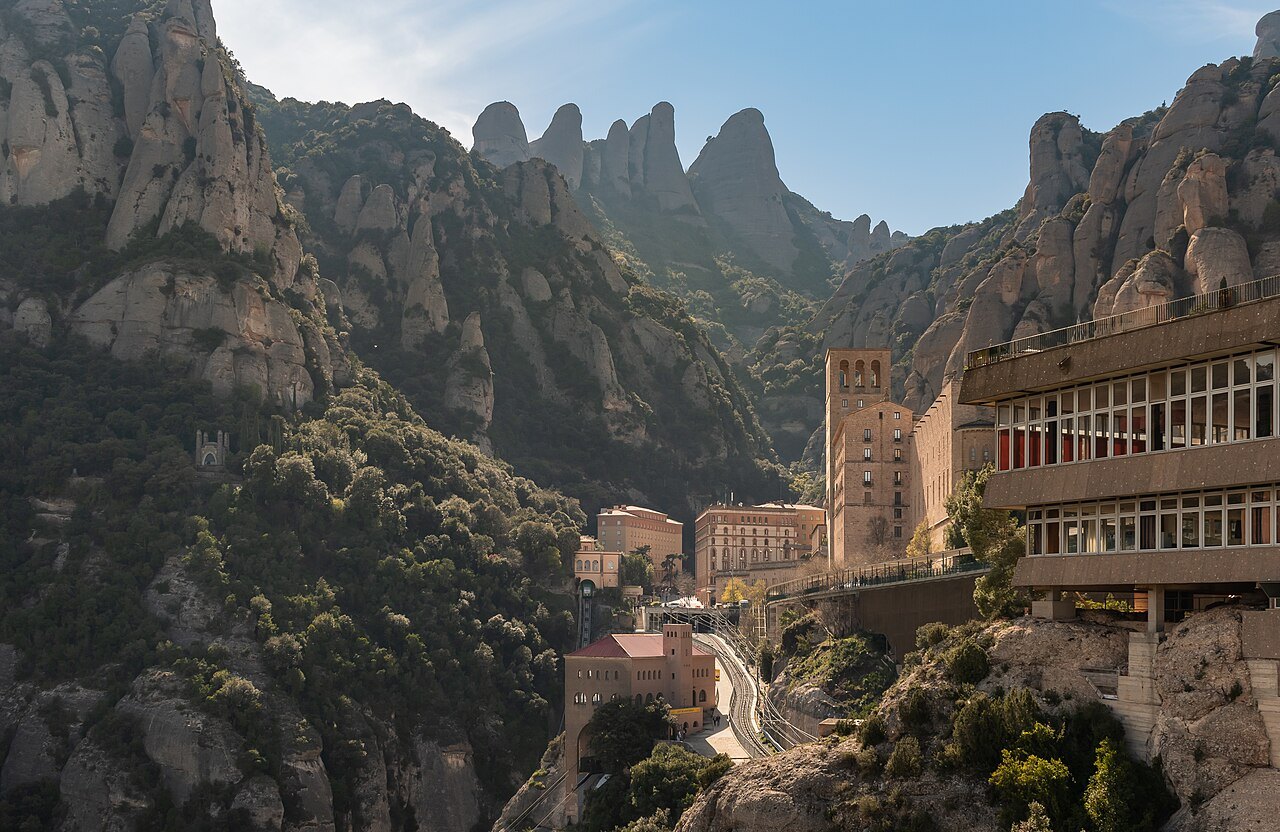 A mountain range near Barcelona, reached by rail, rack railway or road
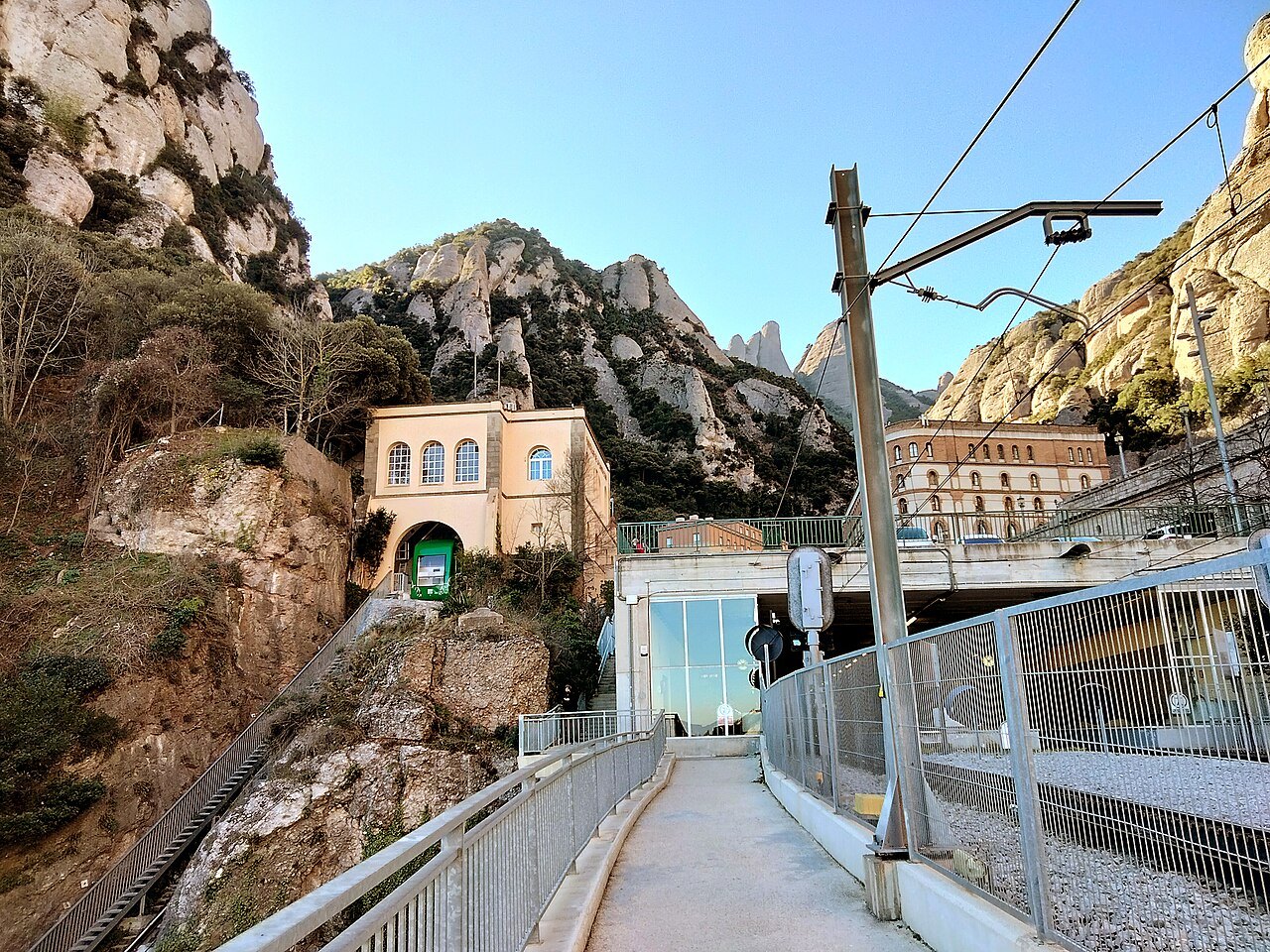
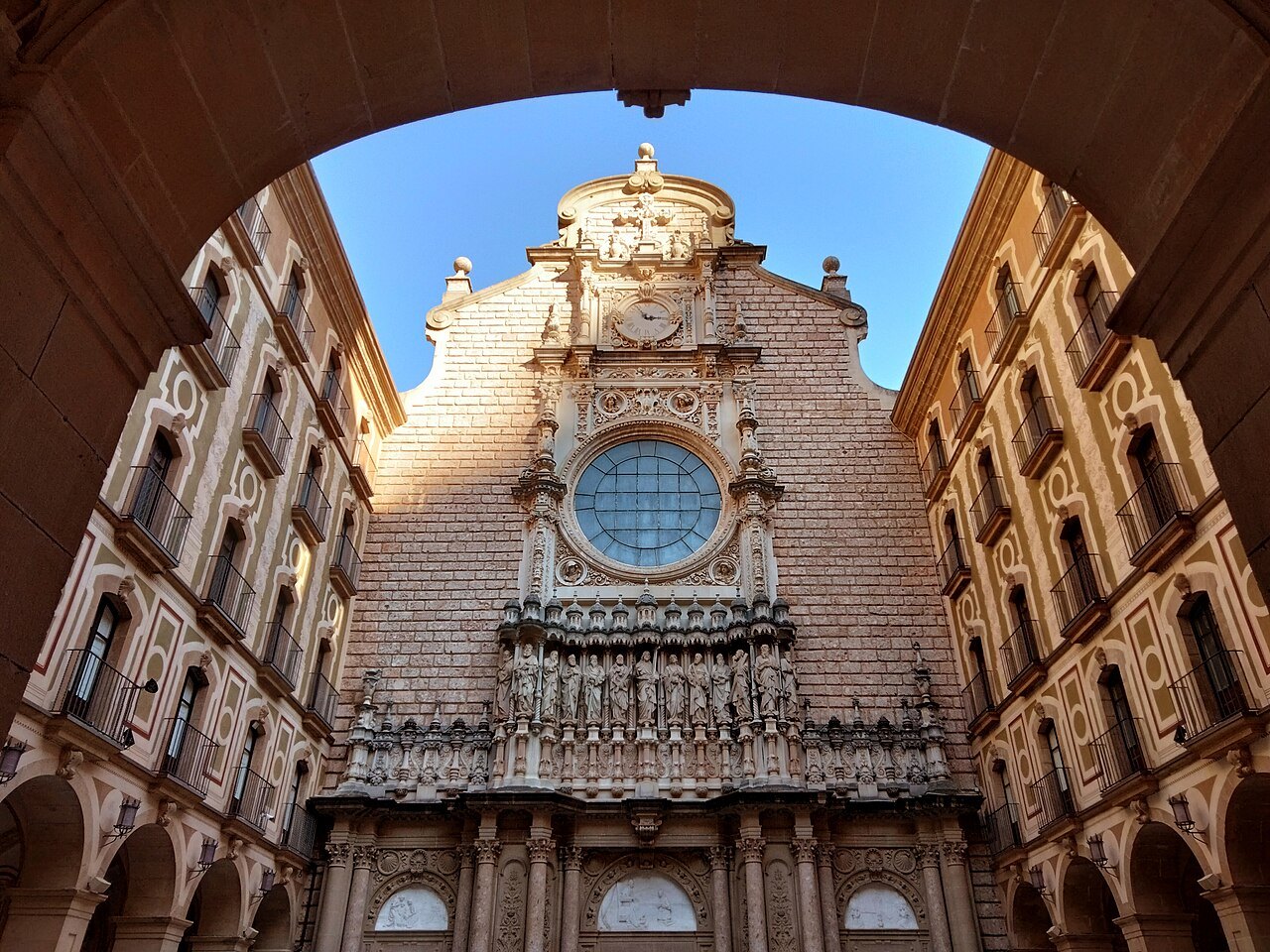
Montserrat
A multi-peaked mountain of pink conglomerate rock with a Benedictine abbey, Santa Maria de Montserrat, and the shrine of the Virgin of Montserrat. It became a national park in 1987.
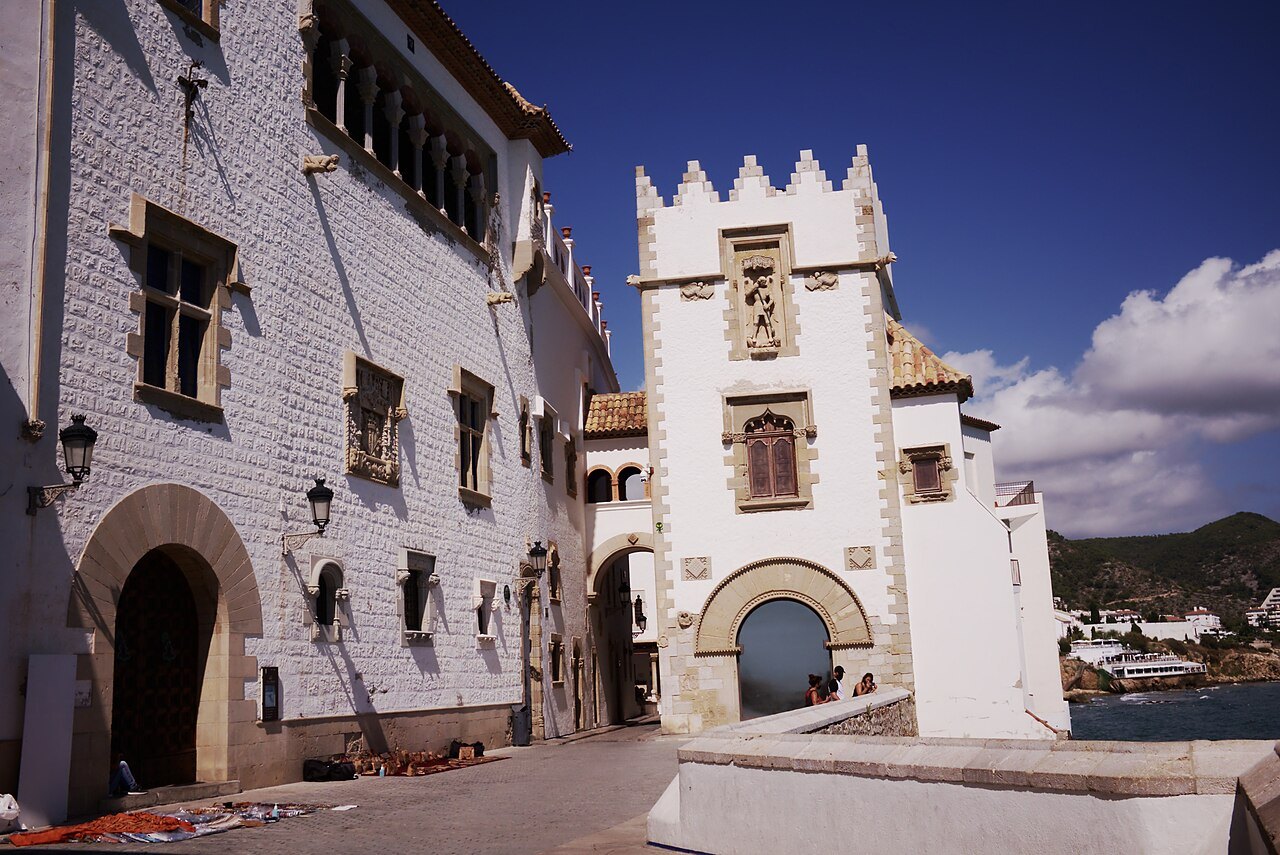 Rodalies line R2 Sud from Passeig de Gràcia and Sants, about 35 kilometers southwest
Sitges
A town between the Garraf Massif and the sea with seventeen beaches, a long artistic tradition from Santiago Rusiñol and the Cau Ferrat, a famous Carnival and a film festival.
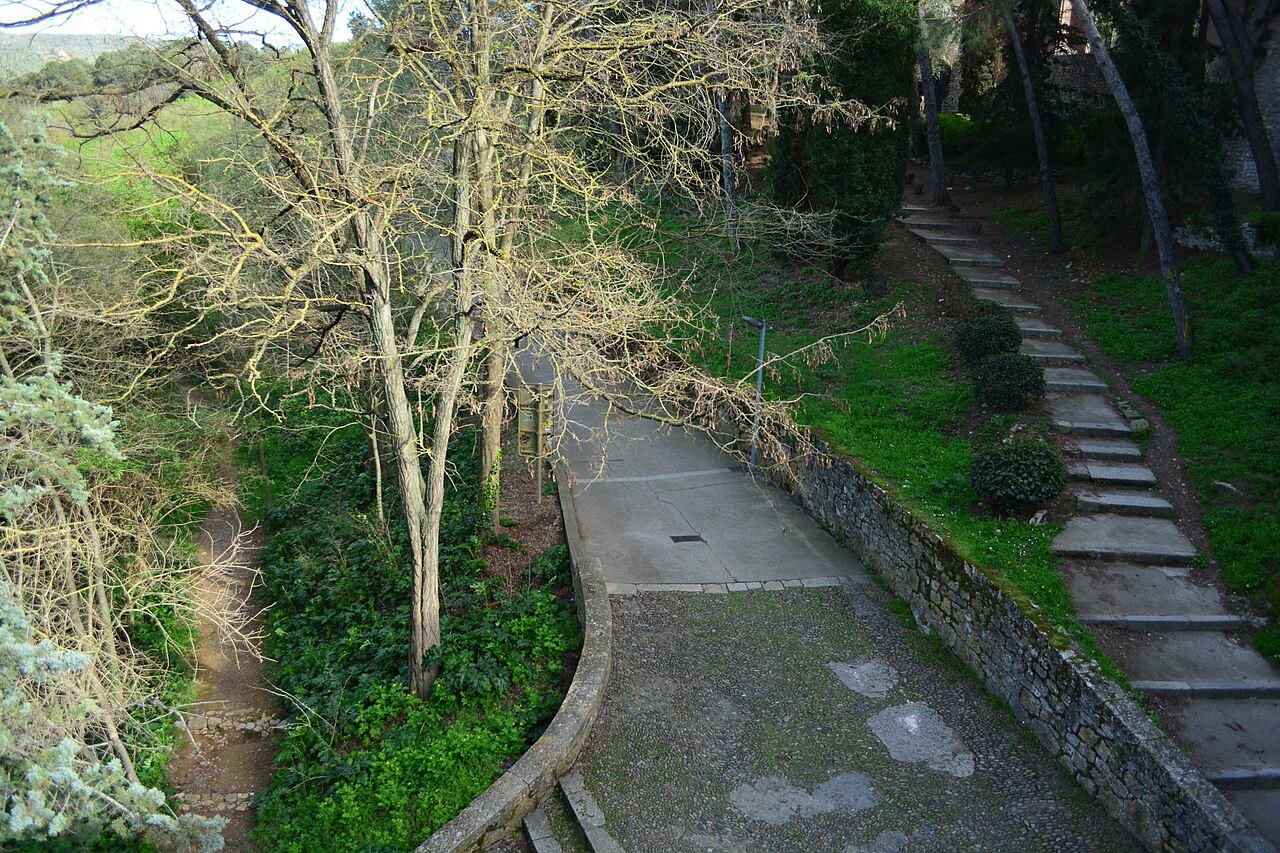 About 99 kilometers northeast of Barcelona, by regional or high-speed rail
Girona
A city at the meeting of four rivers whose preserved old quarter includes a medieval Jewish quarter, the Call, and a museum of Jewish history.
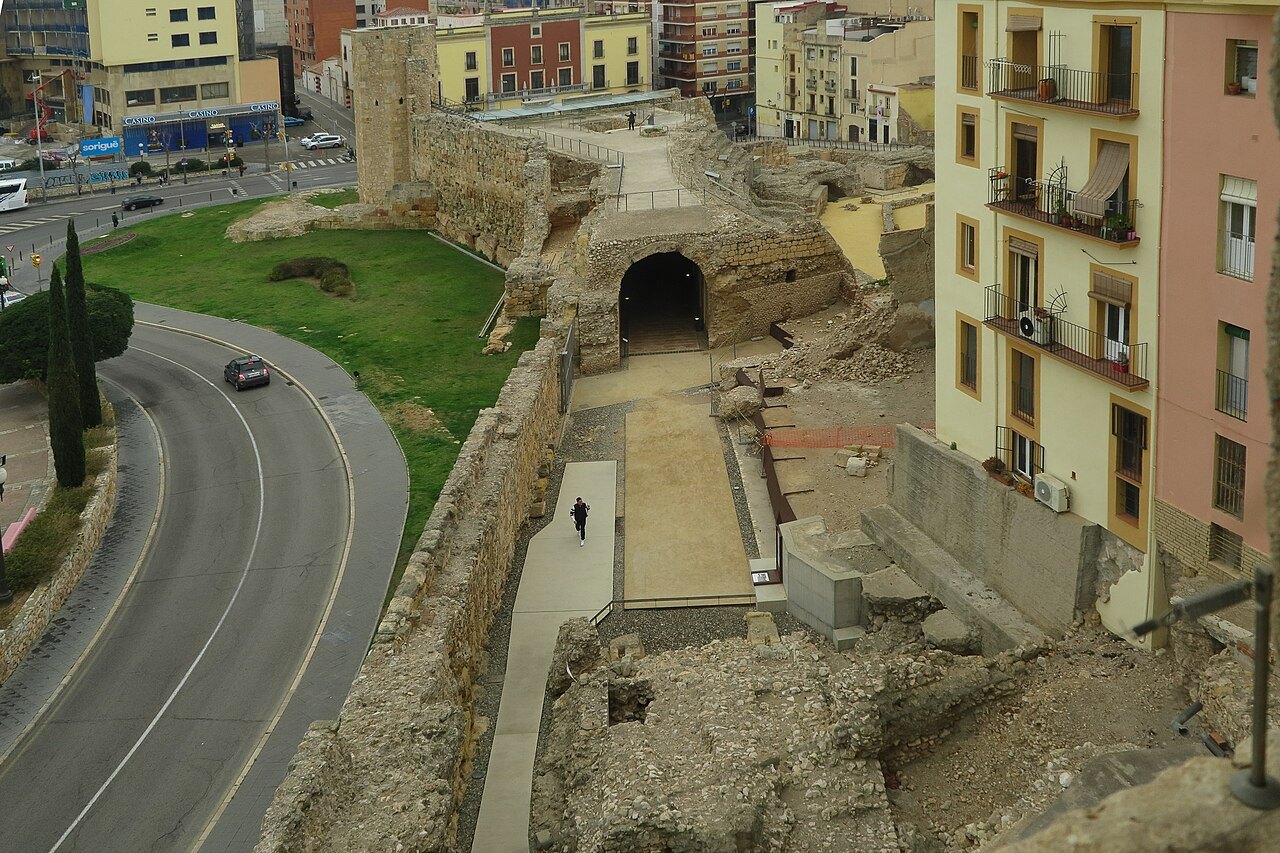 South along the coast; the high-speed link from Barcelona to Camp de Tarragona opened in 2008
Tarragona
The Roman Tarraco, capital of a Roman province, with an archaeological complex that is a World Heritage Site, a Roman amphitheater by the sea and the tradition of human towers.
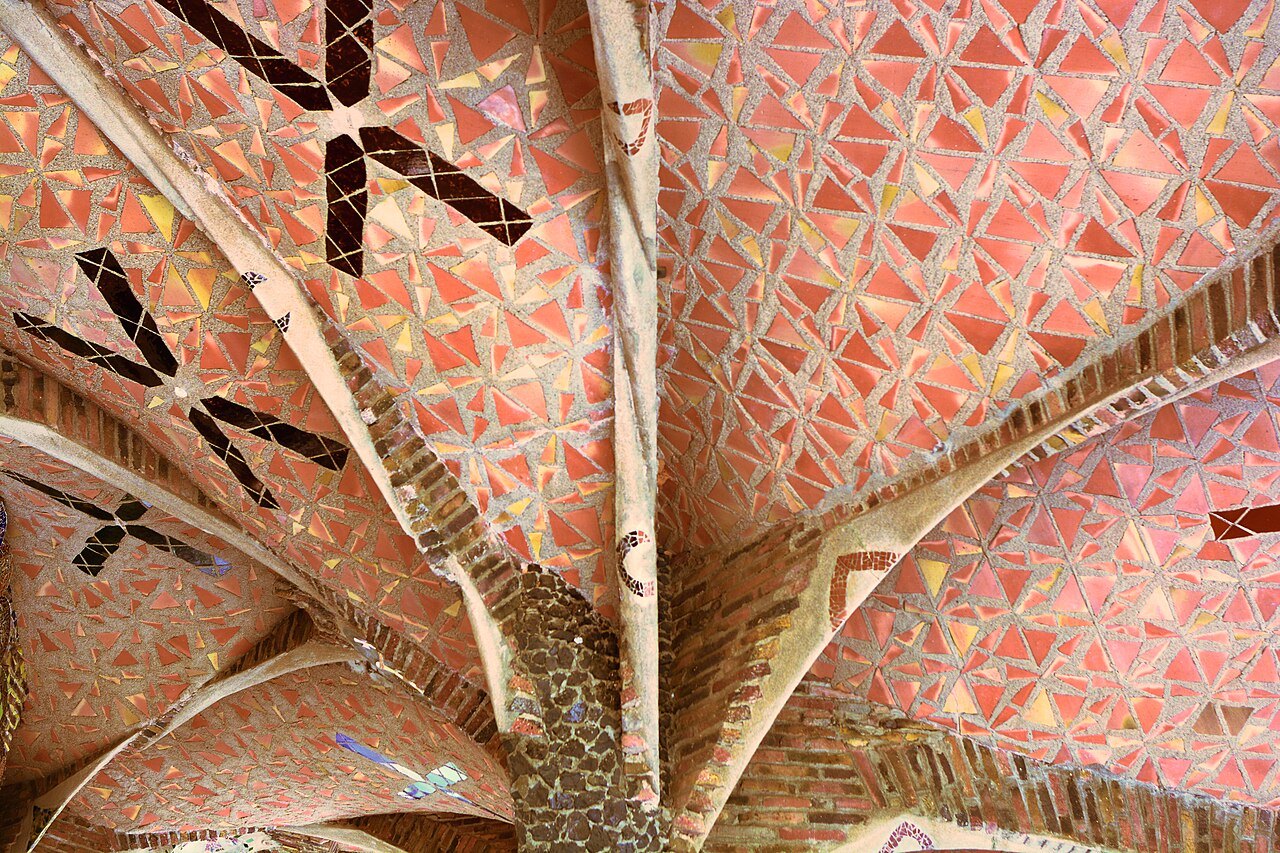 A company town near Santa Coloma de Cervelló, west of the city
Colònia Güell
A workers' colony founded by Eusebi Güell, where Gaudí's unfinished church stands, its crypt built between 1908 and 1915 and lit by twenty-two stained-glass windows.
Day Trips
In full
Choosing the day
Barcelona is surrounded by destinations that fit a day: a mountain, two coastal towns, an old walled city and a Gaudí site. Choose by interest, not distance. Montserrat suits walkers and anyone drawn to monasteries, Sitges suits a beach day, Girona and Tarragona suit anyone who likes old stones, and the Colònia Güell suits anyone who has been to the Sagrada Família and wants to see where its ideas began.
Most of these places are reached by the regional rail system, Rodalies de Catalunya, or by the high-speed trains from Sants. The system has been criticized for delays, so give yourself slack on the way back, and check the operators' pages for the arrangements on the day.
Montserrat
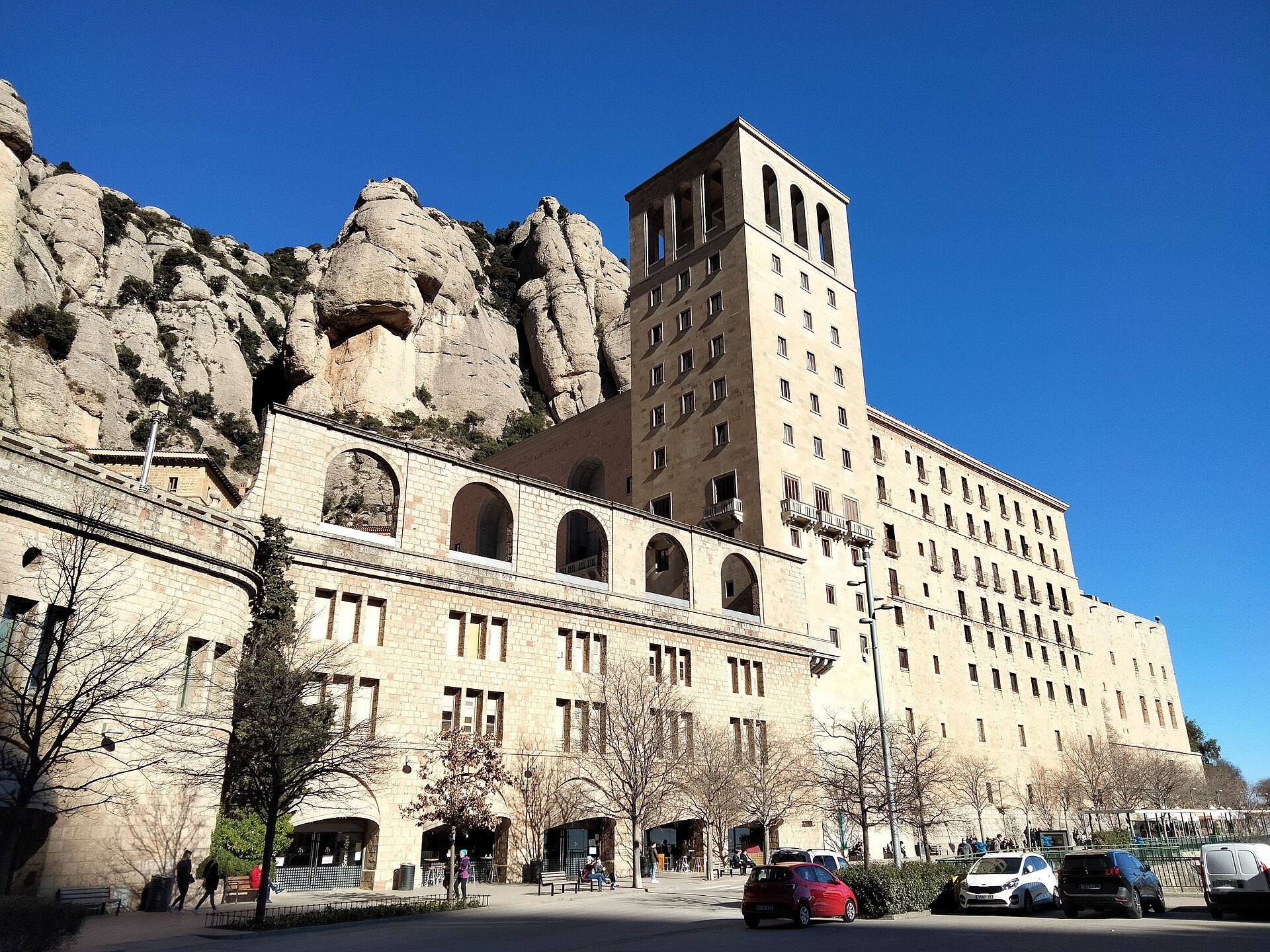
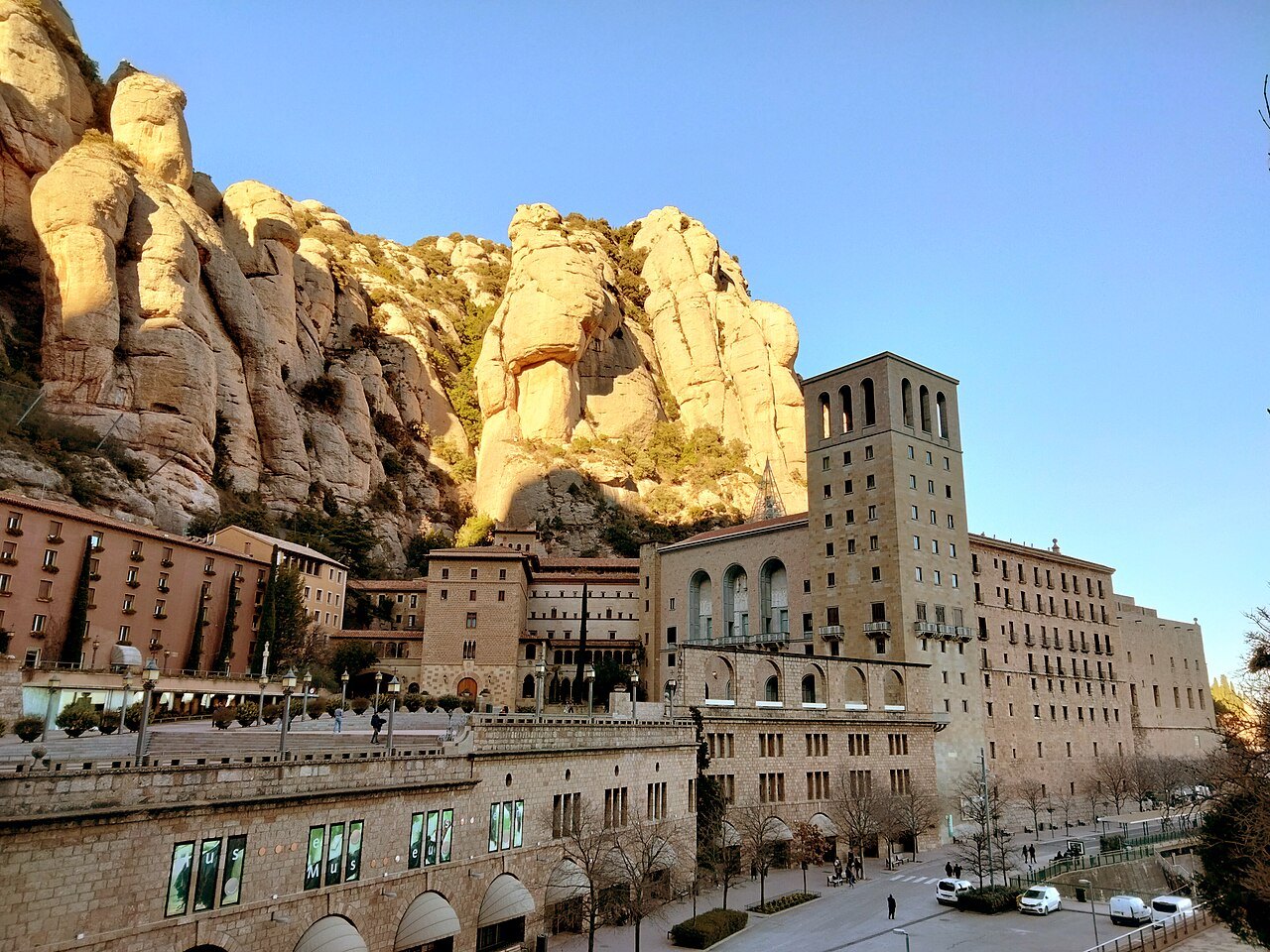
Montserrat is a multi-peaked range near Barcelona, part of the Catalan Pre-Coastal Range. Its main peaks are Sant Jeroni, at one thousand two hundred thirty-six meters, Montgrós and Les Agulles. The name means serrated mountain in Catalan, and describes its many rock formations visible from far away. It is made of strikingly pink conglomerate, rock formed from a fan delta of the middle Eocene and cemented with calcite.
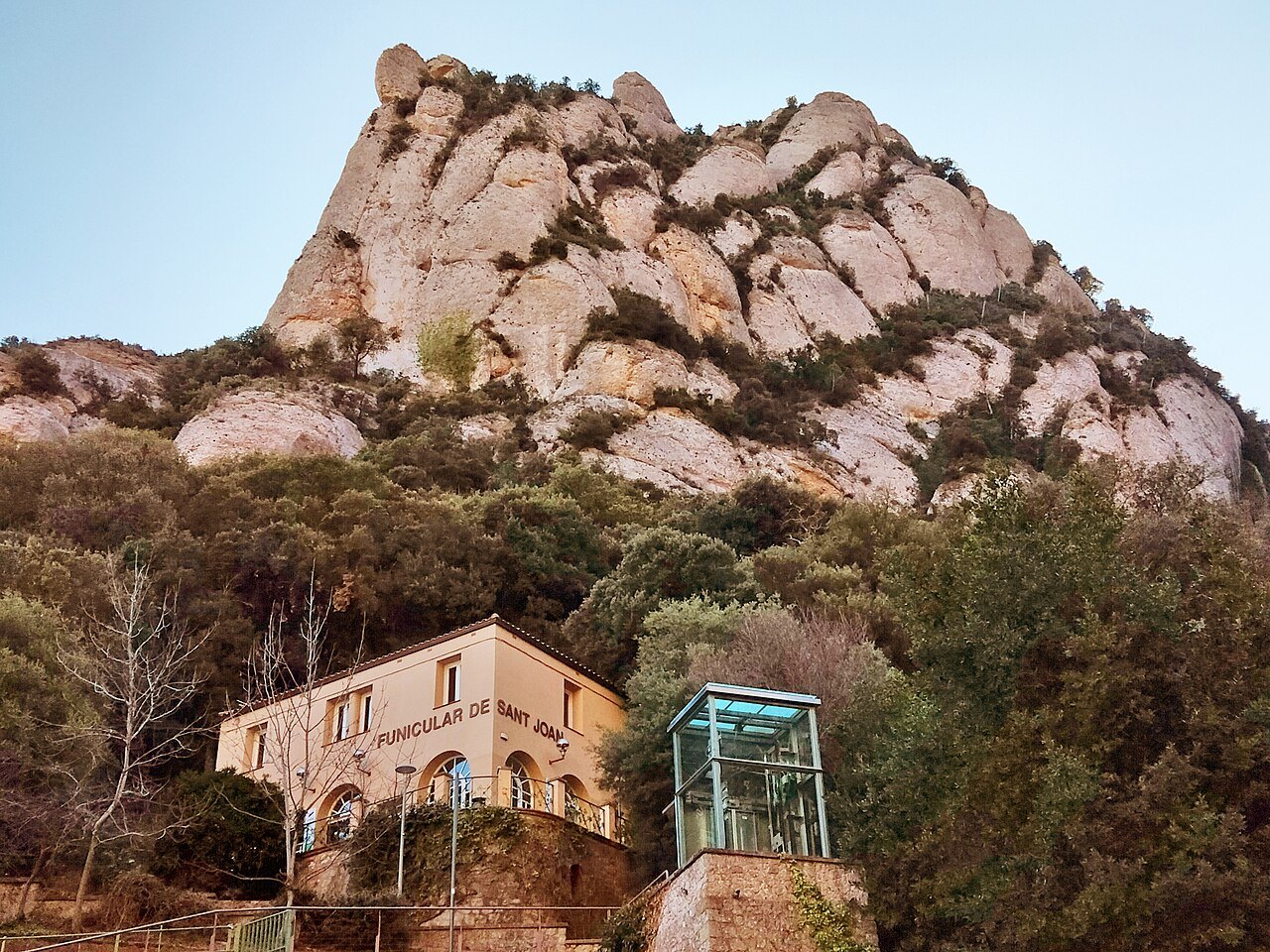
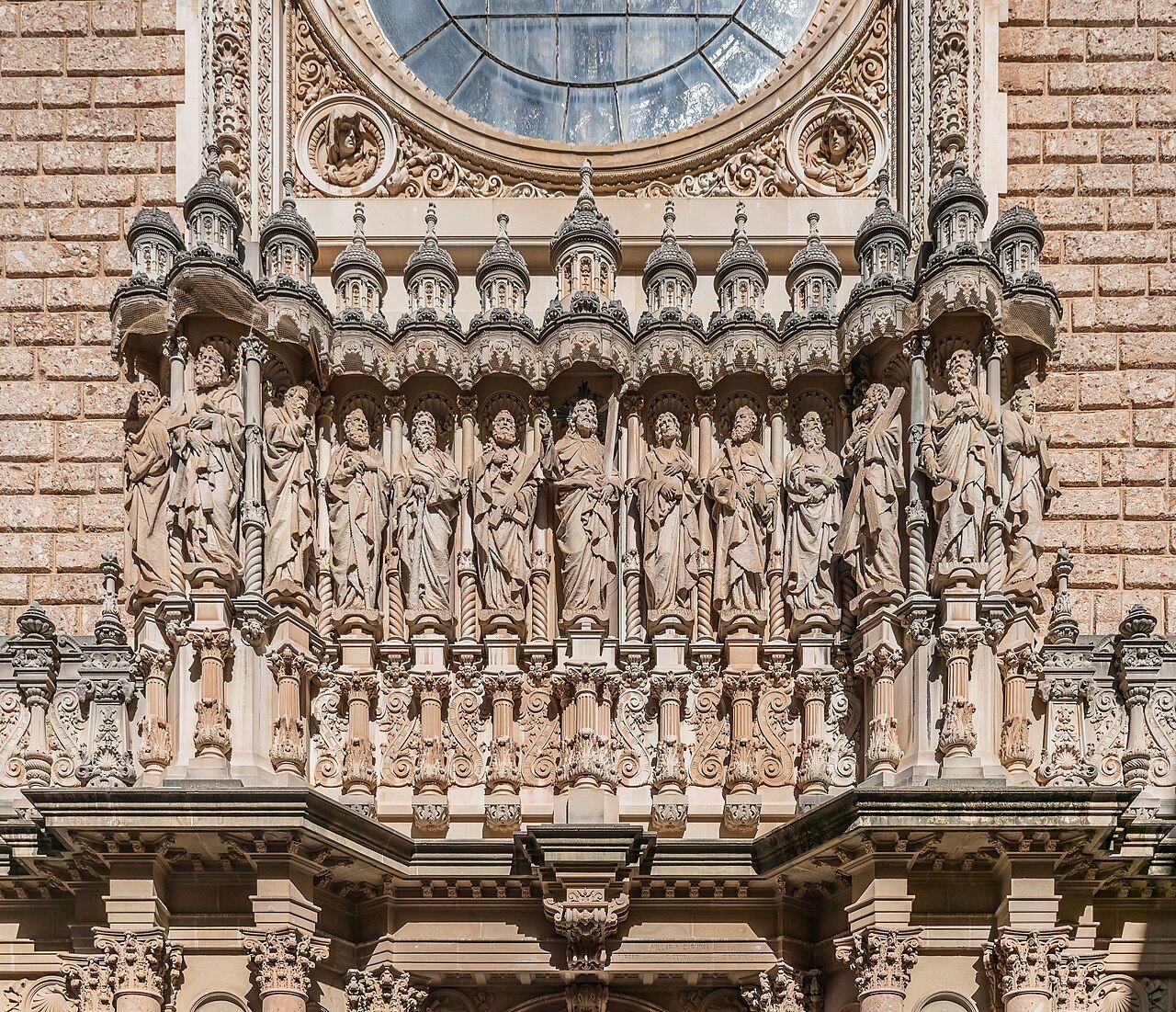
On the mountain stands the Benedictine abbey of Santa Maria de Montserrat, which hosts the sanctuary of the Virgin of Montserrat, known as La Moreneta, the little dark one. The highest summit can be reached by hiking trails from the Sant Joan funicular, the monastery or the base, and the mountain was made a national park in 1987.
Sitges
Sitges is a town about thirty-five kilometers southwest of Barcelona, between the Garraf Massif and the Mediterranean, renowned for its film festival, its Carnival and Catalan culture. The artistic reputation goes back to the late nineteenth century, when the painter Santiago Rusiñol took up summer residence and established the studio that is now the Museu del Cau Ferrat. Wealthy Barcelona families built summer houses, and in the 1960s the town became a center of counterculture, called Ibiza in miniature.
There are seventeen beaches, among them the Platja de Sant Sebastià and the Platja de la Fragata, and the town was also the setting for the Palau Maricel, built between 1910 and 1921. The Carnival's two main moments are the Rua de la Disbauxa, the Debauchery Parade, on Sunday night and the Rua de l'Extermini on Tuesday night. The name itself is the Catalan word sitges, meaning silos or granaries, for the grain stores that once stood around the castle. Human presence there goes back at least fifty thousand years, proved by Neanderthal bones and stone tools from a cave near today's golf course. Trains on Rodalies line R2 Sud run from Passeig de Gràcia and Sants.
Girona
Girona is the capital of its province, at the confluence of the Ter, Onyar, Galligants and Güell rivers, about ninety-nine kilometers northeast of Barcelona. It was the Iberian and Roman Gerunda, passed to the Visigoths and the Moors, and was reconquered by Charlemagne in 785 and made one of the fourteen original counties of Catalonia. Much of its old quarter has been preserved, which makes it a popular destination.
Its Jewish community, documented from about 885, flourished in the twelfth century and had one of the most important Kabbalistic schools in Europe, led by Rabbi Moshe ben Nahman Gerondi, known as Nahmanides. It ended in 1492 when the Catholic Monarchs outlawed Judaism in Spain. The Call, the old Jewish quarter, was sealed off and built over, and a fifteenth-century synagogue is now the Girona Museum of Jewish History.
Tarragona
Tarragona is a city on the Costa Daurada, built by the Romans on a coastal hill during the Second Punic War, near an earlier Iberian settlement. Tarraco became the gateway for Roman control of the peninsula and the capital of the provinces Hispania Citerior and Hispania Tarraconensis. The Archaeological Complex of Tàrraco is a World Heritage Site.
The second-century amphitheater lies near the sea, though it was heavily quarried after the fall of the Western Roman Empire, and a Roman circus about four hundred fifty meters long was built in the city. The Catalan tradition of building human towers, the castells, is especially visible during the Santa Tecla festival. The high-speed rail link between Camp de Tarragona and Barcelona opened in 2008.
Colònia Güell
The Colònia Güell was the brainchild of Count Eusebi Güell, a textile industrialist and Gaudí's patron, who enlisted Gaudí in 1898 to design a church for the workers of his company town in Santa Coloma de Cervelló. Work did not begin until 1908, and in 1914 the family halted construction. Only the crypt, built between 1908 and 1915, was fully completed. It is one of seven properties by Gaudí near Barcelona that UNESCO lists together.
To plan it, Gaudí used the funicular method he later applied at the Sagrada Família: hemp ropes hung from the ceiling and weighted with lead-filled sacks, which let him see the loads and reproduce the curves at a scale of one to ten. He then photographed the model, flipped the image and traced it. The crypt is dimly lit and partly underground on its hillside, and he designed all the furniture himself. In 2000 local architects repaired the crypt and the modernista buildings of the colony, which made them easier to visit and, as the sources note, took away some of the unfinished character; visitors can now stand on the roof, which would have been the church floor.
Making the most of a day
Pick one place and start early. The distances are modest, but each of these places has enough in it to fill a day, and the trains and the daylight both reward a morning start. Look up the operator's current arrangements the evening before, including any reservations for the rack railway or for entry to the abbey.
On your return, compare what you have seen with the city. The Gaudí sights in Barcelona look different once you have seen the crypt at the Colònia Güell, and the Roman and medieval layers of the Gothic Quarter make more sense after Tarragona and Girona.
More photographs
Seen on the way
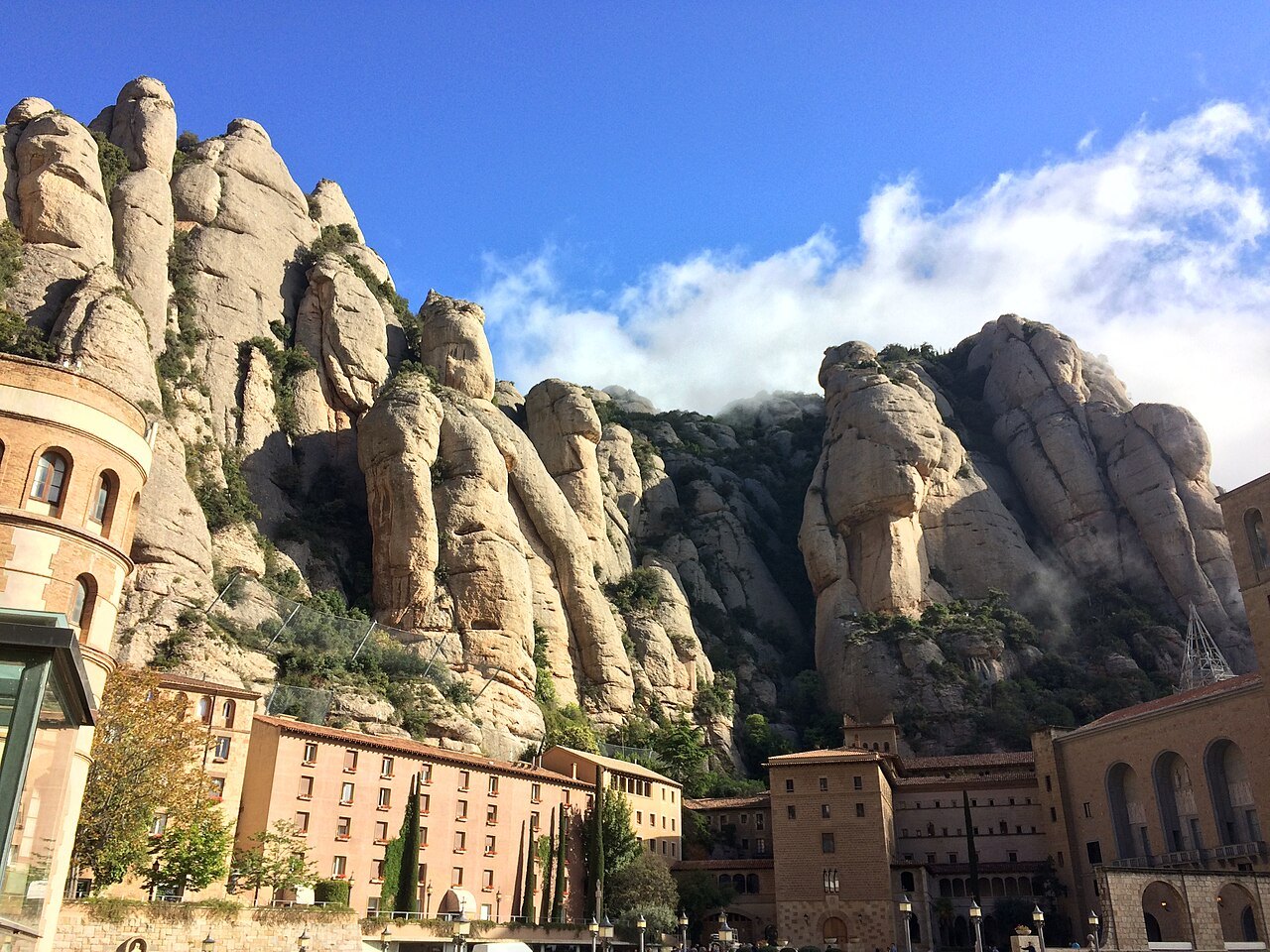
Rock pinnacles above the monastery buildings at Montserrat.Orlith1, Wikimedia Commons, CC BY-SA 4.0 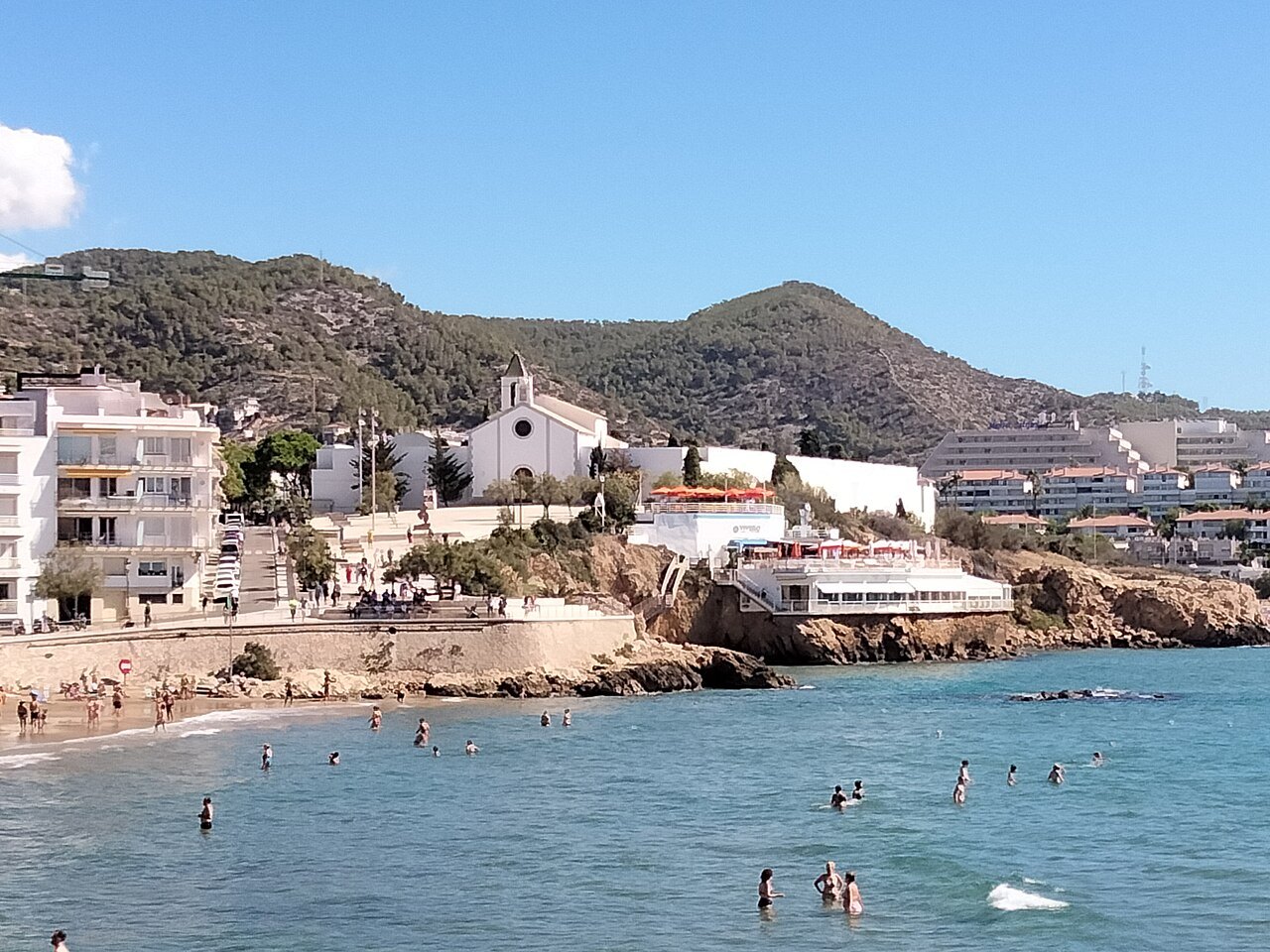
The beach at Sitges below a small church on the headland, with hills behind.Enric, Wikimedia Commons, CC BY-SA 4.0 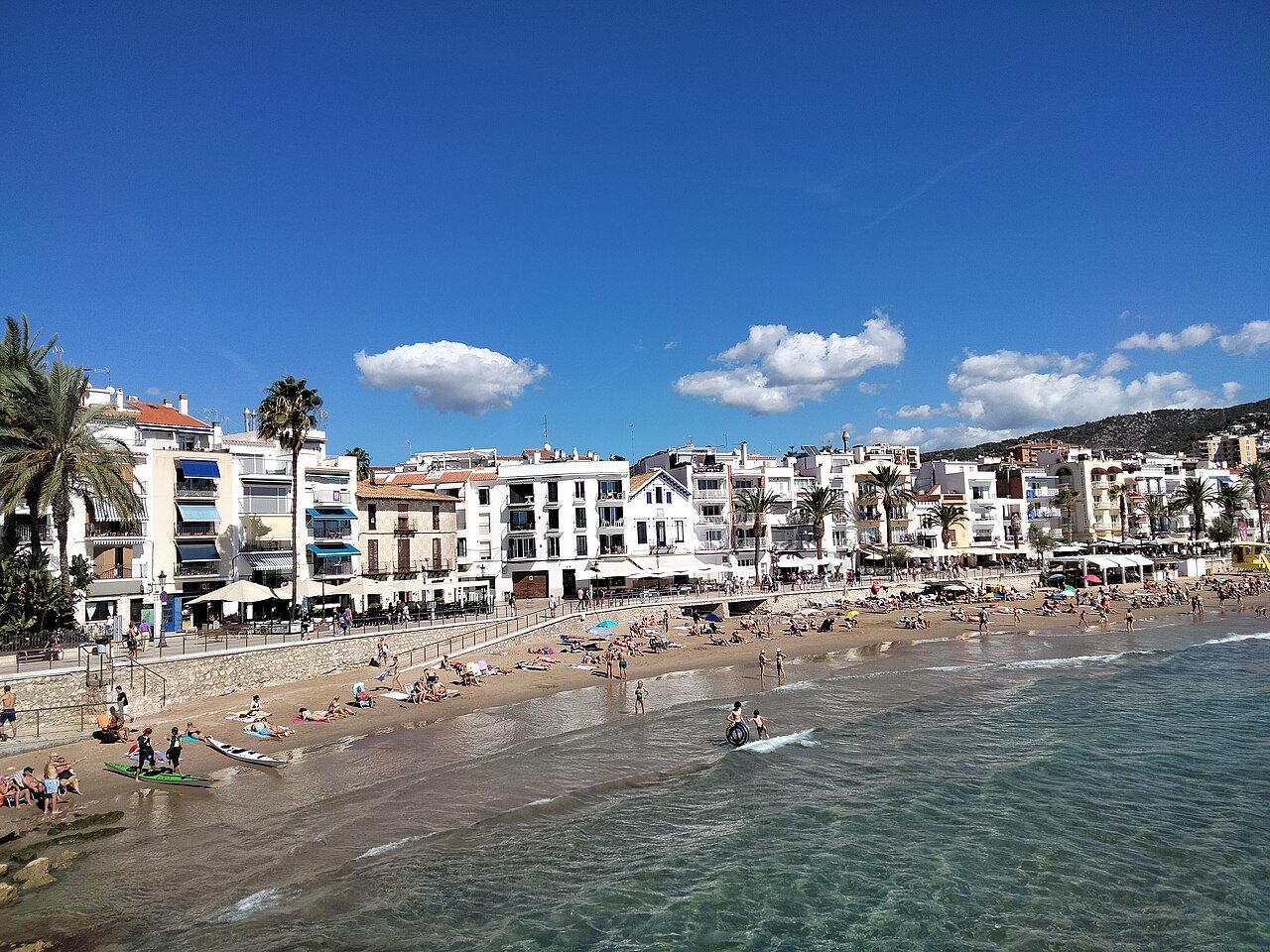
The seafront of Sitges, a line of white buildings above a sandy beach.Enric, Wikimedia Commons, CC BY 4.0