How do you get from Barcelona airport to the center?
THE METRO, THE TRAIN, THE AEROBÚS AND THE TAXI
Barcelona-El Prat Airport lies about fifteen kilometers southwest of the center and has a metro, a commuter train, express buses and taxis. What each one is, which terminal it serves and how to choose.
Read on
The answer in full
The airport and its two terminals
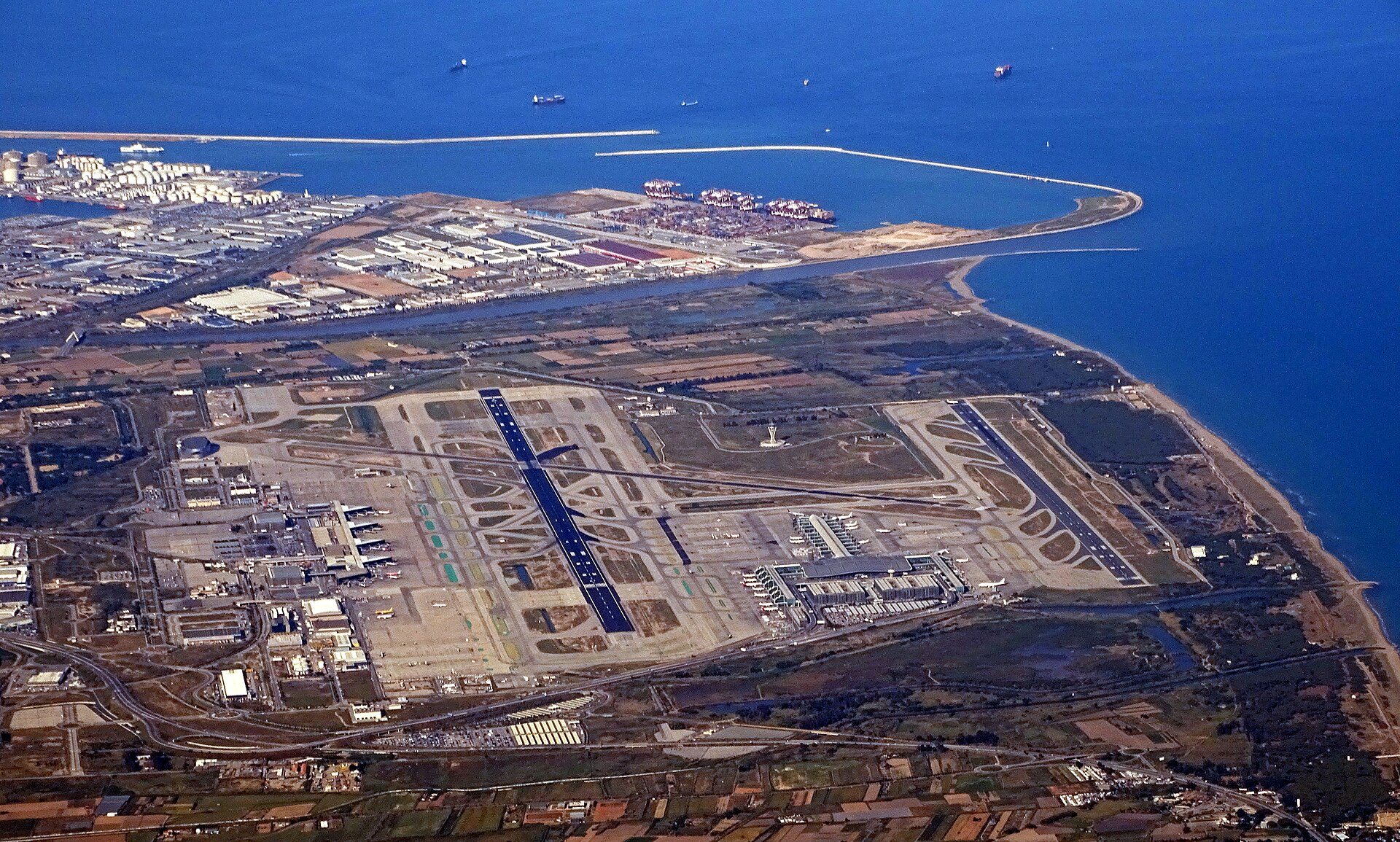
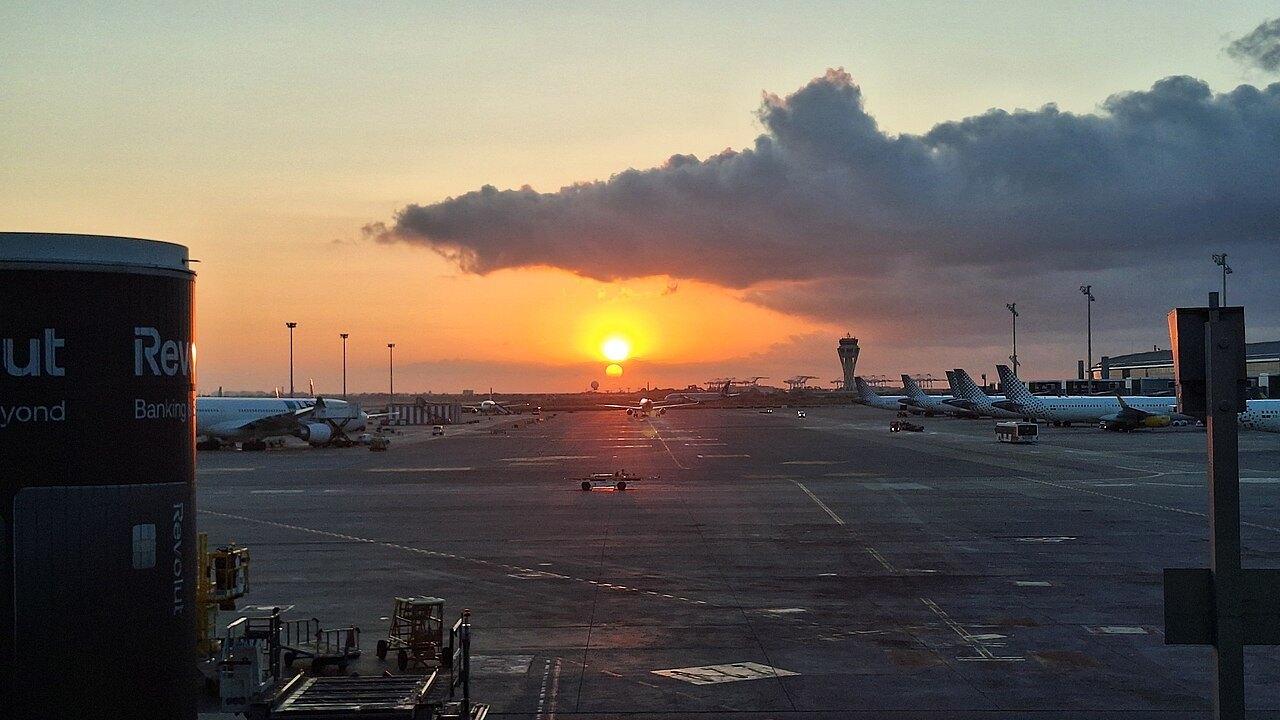
Josep Tarradellas Barcelona–El Prat Airport, known by its code BCN, lies about fifteen kilometers southwest of the center of Barcelona, in the municipalities of El Prat de Llobregat, Viladecans and Sant Boi. It is the second-largest and second-busiest airport in Spain and a hub for the airline Vueling, with Iberia, easyJet, Ryanair and Air Europa among those that use it as a focus.
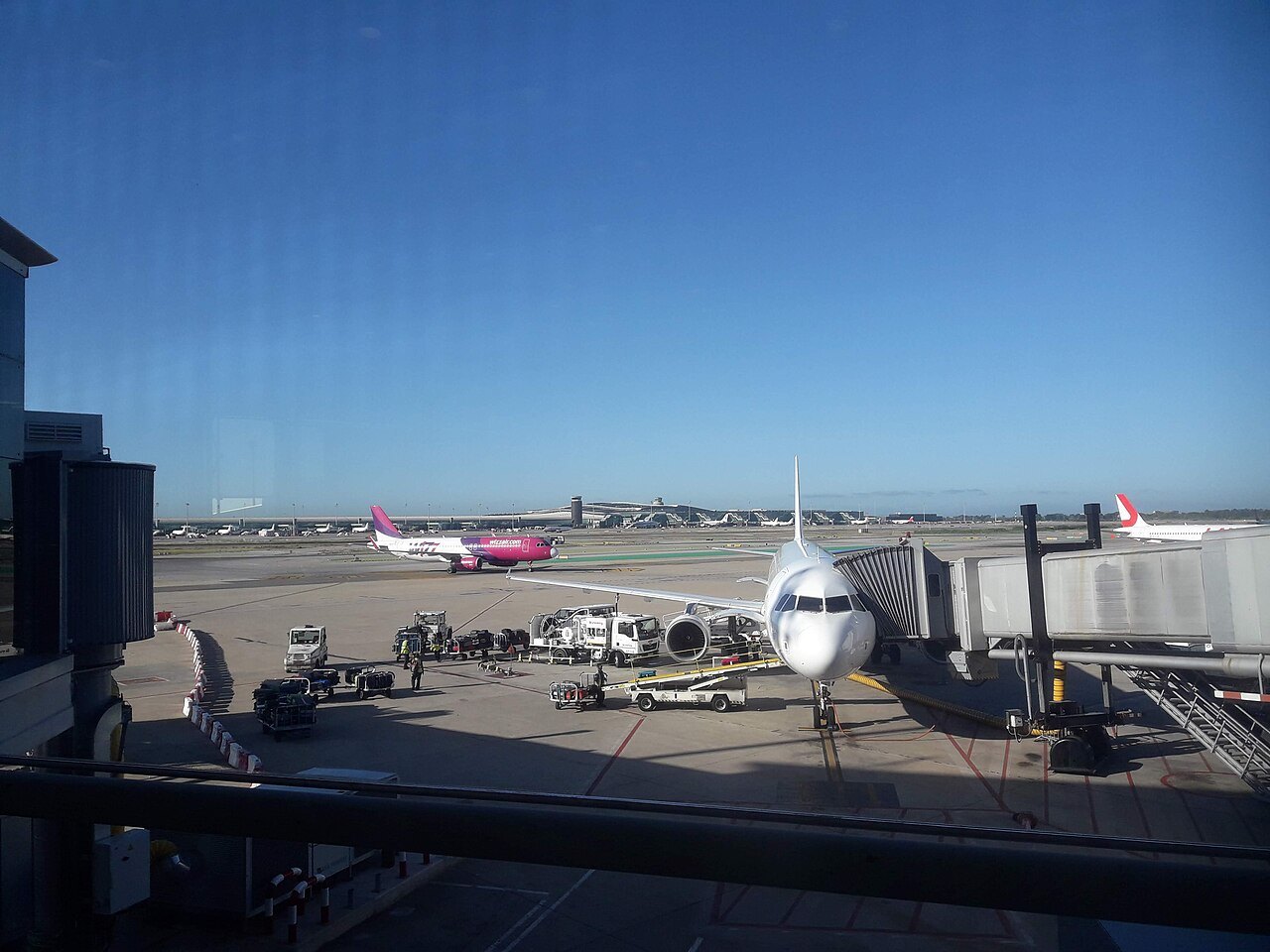
It has two terminal complexes. Terminal 1, designed by Ricardo Bofill and inaugurated on 16 June 2009, handles most of the flights. Terminal 2 is the older complex, divided into 2A, 2B and 2C, whose oldest part dates to 1968. A connecting bus links the two. About seventy percent of flights use Terminal 1, while Terminal 2 is used mostly by low-cost and regional airlines, among them Ryanair and easyJet, and flights to destinations outside the Schengen area use different gates from those within it. Look at your boarding pass or the airline's page to see which terminal you are in, because the best way into the city depends on it.
By metro
Line 9 of the Barcelona Metro has linked the airport with the city since 12 February 2016, with a station in each terminal: Aeroport T1 sits directly beneath Terminal 1, and Aeroport T2 is close to the Terminal 2 rail station. The line connects with several other metro lines serving the center, so a single change usually takes you to the old city or the Eixample.
One catch is worth knowing. The metro runs on an integrated fare system, but the airport stations on line 9 south carry a special rule: a standard single ticket is not valid for a journey to or from them, and a separate airport ticket is needed. Check the operator's page for the current products, since the fare table is the part of the metro that changes.
By commuter train
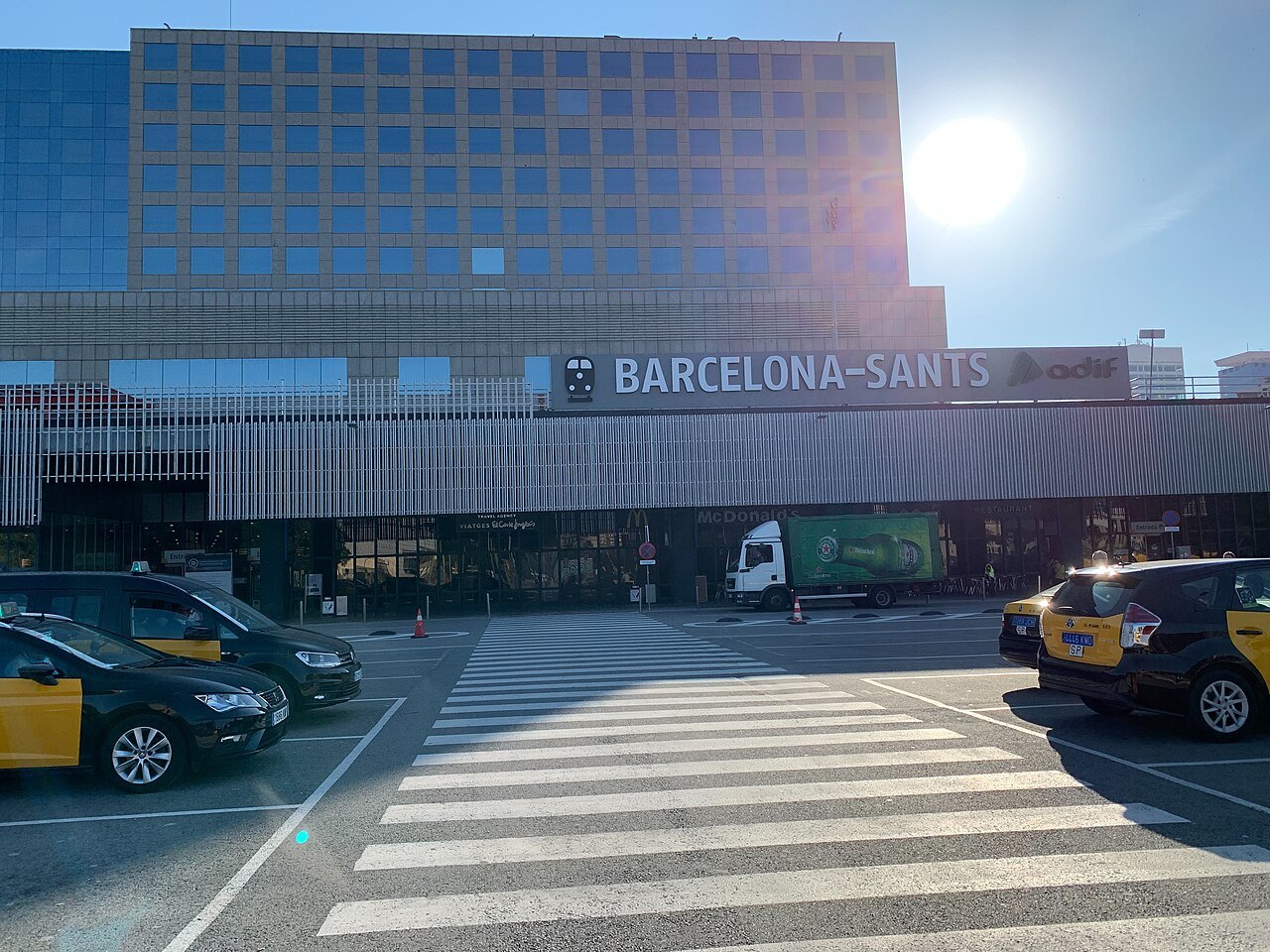
Terminal 2 has its own station on the Rodalies commuter network, on line R2, with service every half hour toward Maçanet-Massanes, stopping at several central stations including Barcelona Sants and Passeig de Gràcia. Those stations connect with the metro and with national and international trains, so this is the natural choice for travelers who are going on by train or who are staying near one of them.
Rail passengers for Terminal 1 take a connecting bus from Terminal 2B. A direct shuttle train between Terminal 1 and Sants and Passeig de Gràcia has been planned for years, and its opening date has moved more than once, so check the airport's website before relying on it.
By bus
The Aerobús offers direct transfers from Terminals 1 and 2 to the Plaça de Catalunya, the hinge between the old city and the Eixample, which makes it the simplest option for someone staying near that square, with no changes. The municipal bus line 46 runs from the airport to the Avinguda del Paral·lel, at the foot of Montjuïc.
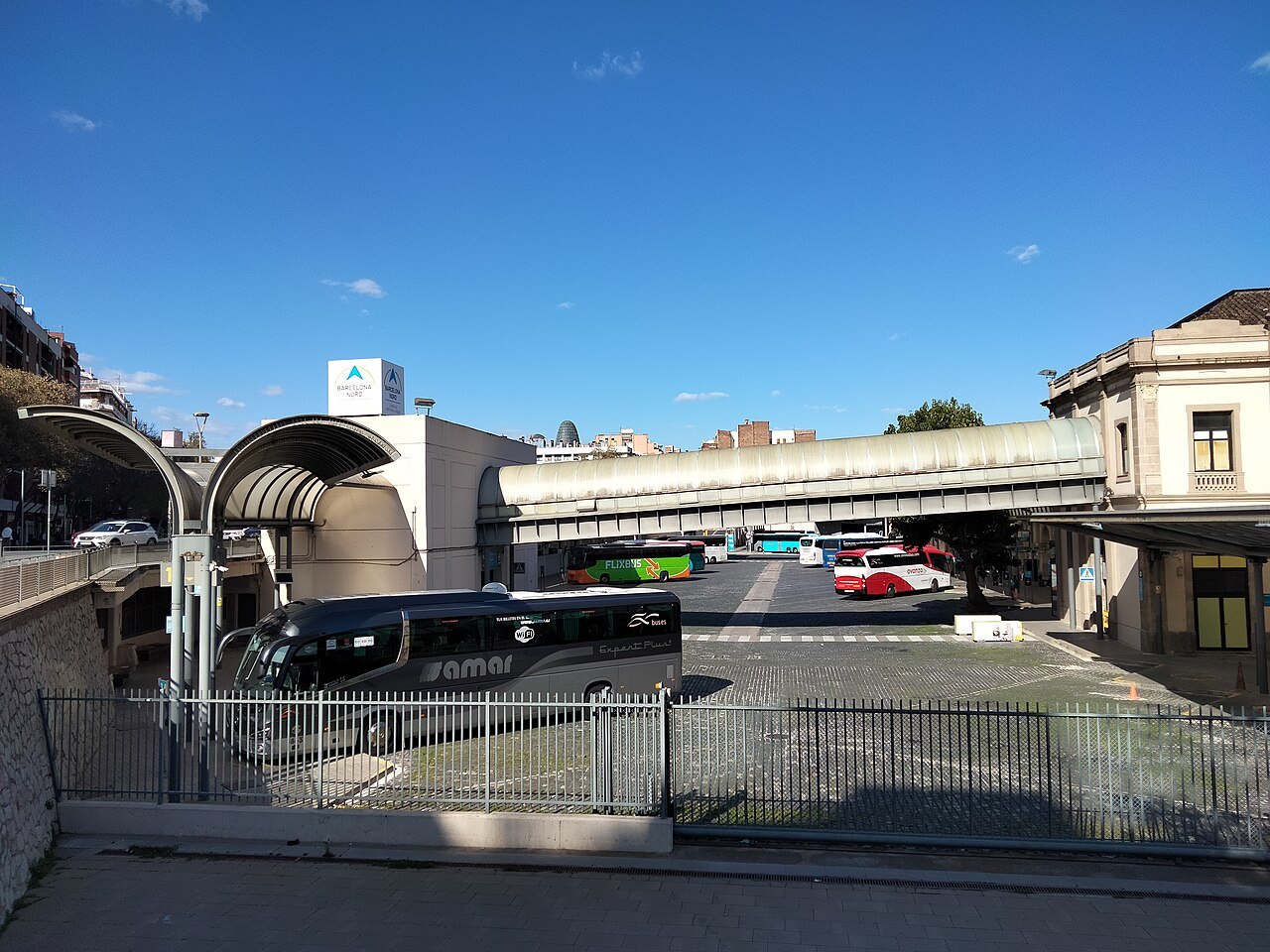
Other companies run coaches from the airport to other airports, among them Reus and Girona-Costa Brava, to provincial and national capitals, and to destinations in France and Andorra.
By taxi
Barcelona's metered taxis, painted black and yellow, are governed by the metropolitan taxi institute and number more than ten thousand. They can be caught at ranks, called or booked through an app.
A taxi is a good choice late at night, with heavy luggage or in a group, and the time it takes depends on traffic on the road into the city, the same road that was blocked in the disruption at the airport on 14 October 2019.
Choosing between them
If your hotel is on a metro line that connects with line 9, the metro is the most direct. If you are near Sants, Passeig de Gràcia or the Rodalies network and arrive at Terminal 2, the train is a good choice. If you are near the Plaça de Catalunya, the Aerobús saves changes. For luggage or late arrivals, take a taxi.
Whatever you choose, give yourself time at the airport on the way home, because Terminal 1 and Terminal 2 are not adjacent and the connections between them take time.
From other airports
Some low-cost flights land at other airports: Girona-Costa Brava, about ninety kilometers to the north, Reus, about seventy-seven kilometers to the south, or Lleida-Alguaire, about a hundred and fifty to the west. From each there are coaches and trains to Barcelona, and the journey is long enough that it should be built into the price and the plan.
The airport at Sabadell is a small one for pilot training, air taxis and private flights, and does not handle scheduled traffic for visitors.
A short history of the airport
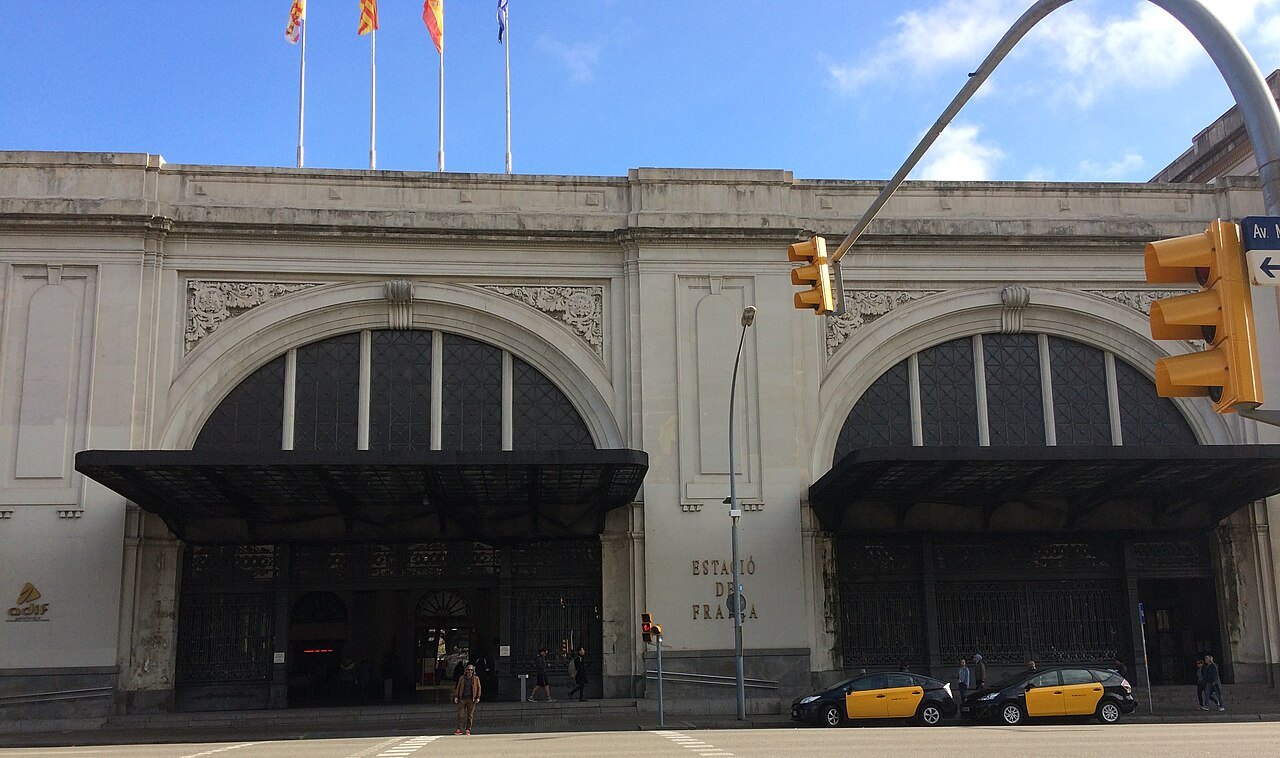
Barcelona's first airfield, at El Remolar, began operating in 1916, but its prospects for expansion were poor, so a new airport at El Prat opened in 1918. The first plane to land was a Latécoère that arrived from Toulouse on its way to Casablanca. Scheduled commercial service began in 1927 with the first route flown by Iberia, to Madrid Cuatro Vientos.
A runway was built in 1948, the year the first overseas service, to New York, was flown by Pan American, and in 1963 the airport reached a million passengers a year. The 1992 Olympics prompted a major expansion that produced Terminals A, B and C, which are now called 2A, 2B and 2C, and in 2014 it became the first Spanish airport to receive a daily Airbus A380 flight. The Barcelona-Madrid air shuttle was the busiest air route in the world until 2008, when the high-speed rail line opened and covered the distance in two and a half hours.
After you arrive
Once in the city, the metro, the trams, the commuter trains and the buses form an integrated system, and the guide to getting around describes how to use them. For a first morning, most visitors head to one of the anchor stations: Plaça de Catalunya, Passeig de Gràcia or Barceloneta.
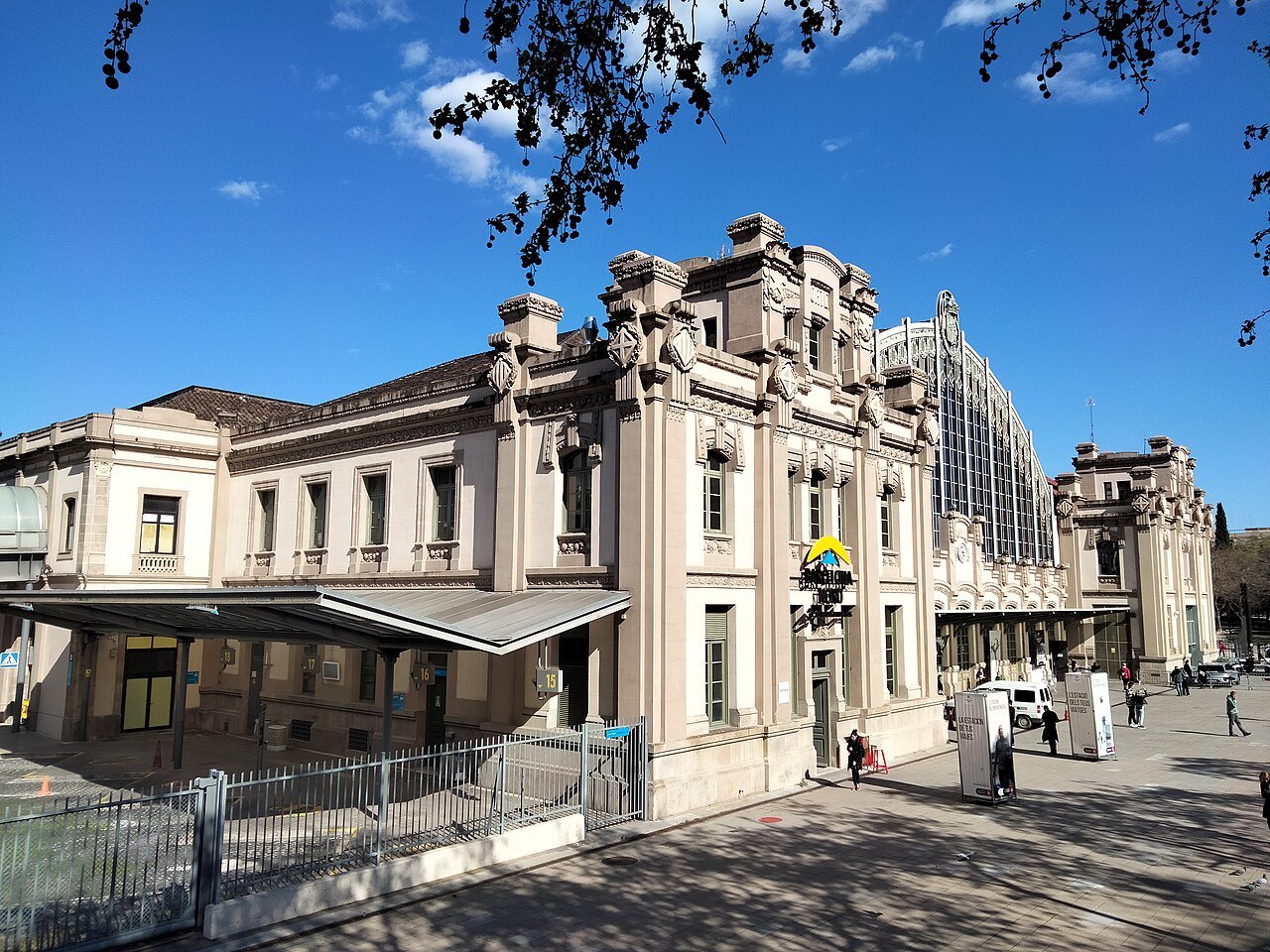
The guide to getting here covers the other ways of arriving, by rail from Madrid or France, by coach and by car.
More from the journal
Read next
- The Sagrada FamíliaIs the Sagrada Família finished?The central Tower of Jesus Christ reached its full height in 2026, but the Sagrada Família is not complete. What has been built, what has not, and why a basilica begun in 1882 is still a building site.Read the piece →
- Where to StayWhy does the Eixample have chamfered corners?Barcelona's Eixample is a grid of square blocks with the corners cut off. The reasons are sunlight, ventilation, visibility and carriages, and the engineer who planned it was never paid for the work.Read the piece →
- Park GüellHow did Gaudí design with hanging chains?Antoni Gaudí worked out the curves of his vaults by hanging weighted strings and chains and turning the result upside down. How the method worked, where it was first used and where to see it in Barcelona.Read the piece →