What is the dancing egg?
A FOUNTAIN TRICK IN THE CLOISTER
How an eggshell comes to spin on a fountain jet in Barcelona Cathedral's cloister, and what to check before visiting.
Read on
The answer in full
A Tradition in the Cloister
Inside Barcelona Cathedral's cloister, visitors who arrive on the right day may find an eggshell spinning and hopping atop a fountain's jet of water. Known simply as the dancing egg, it is one of the small traditions kept inside La Seu, the cathedral's other name, alongside the better-known story of Saint Eulalia and the geese that live in the same courtyard.
The custom is kept on the day of Corpus Christi, a moveable feast in the Catholic calendar. Because the date shifts from one year to the next, visitors who want to see the dancing egg should check the cathedral's own notices, or ask at the cathedral office, before planning a visit around it.
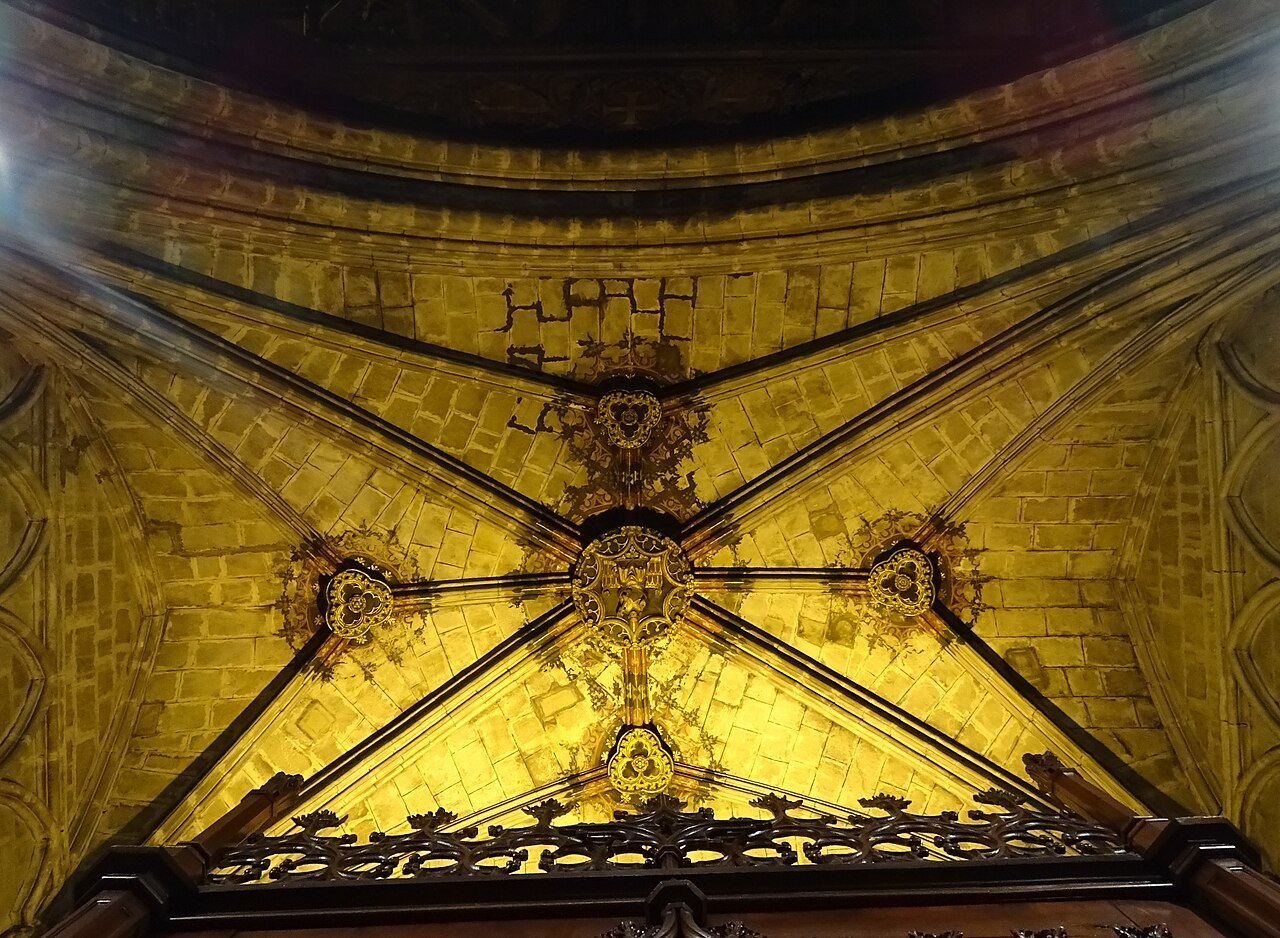
The fountain itself stands in a cloister finished in 1448, well after construction of the main church began in 1298. That gap explains why the cloister's style and furnishings, including its fountain, sit at the newer end of a church built from east to west across roughly a century and a half.
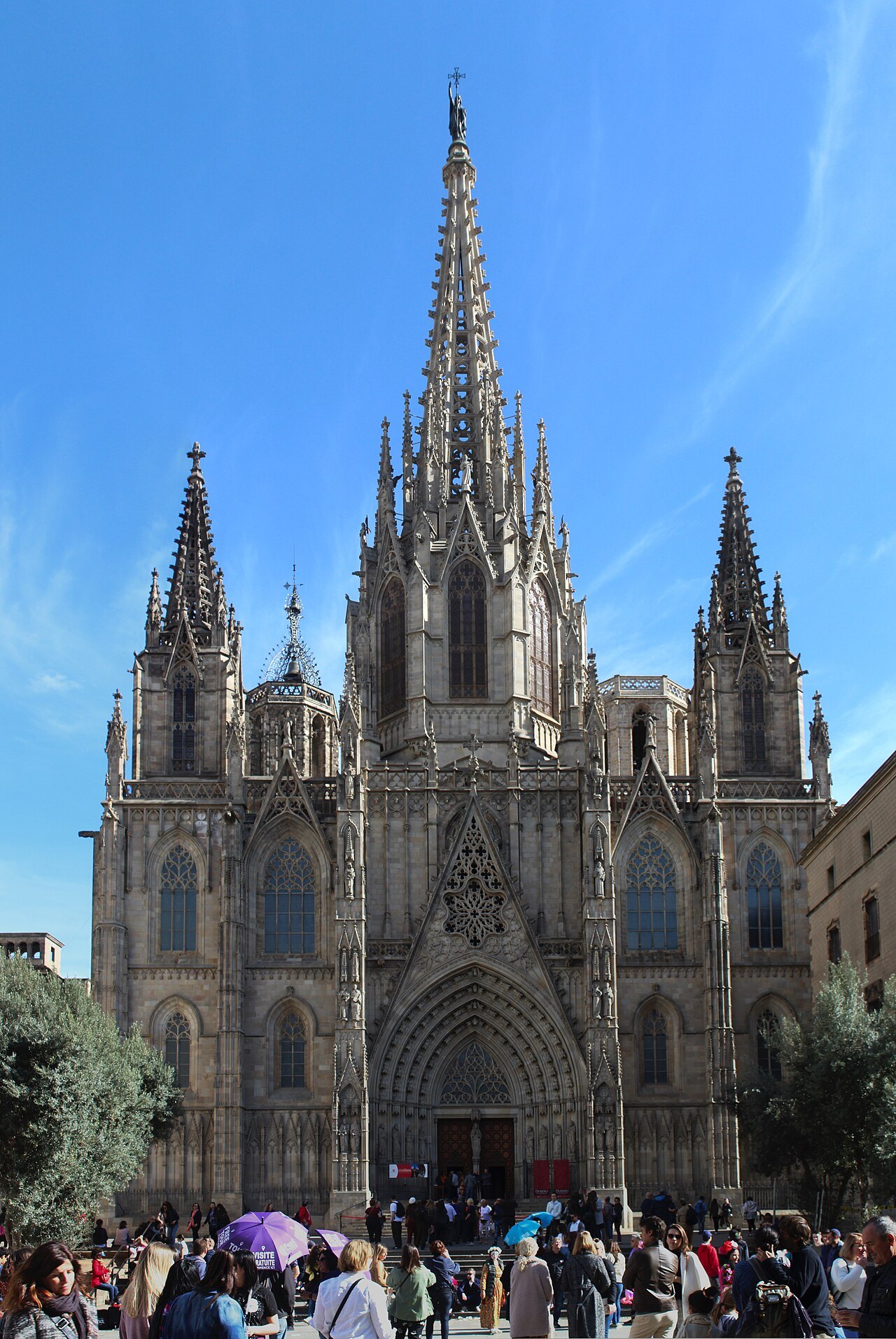
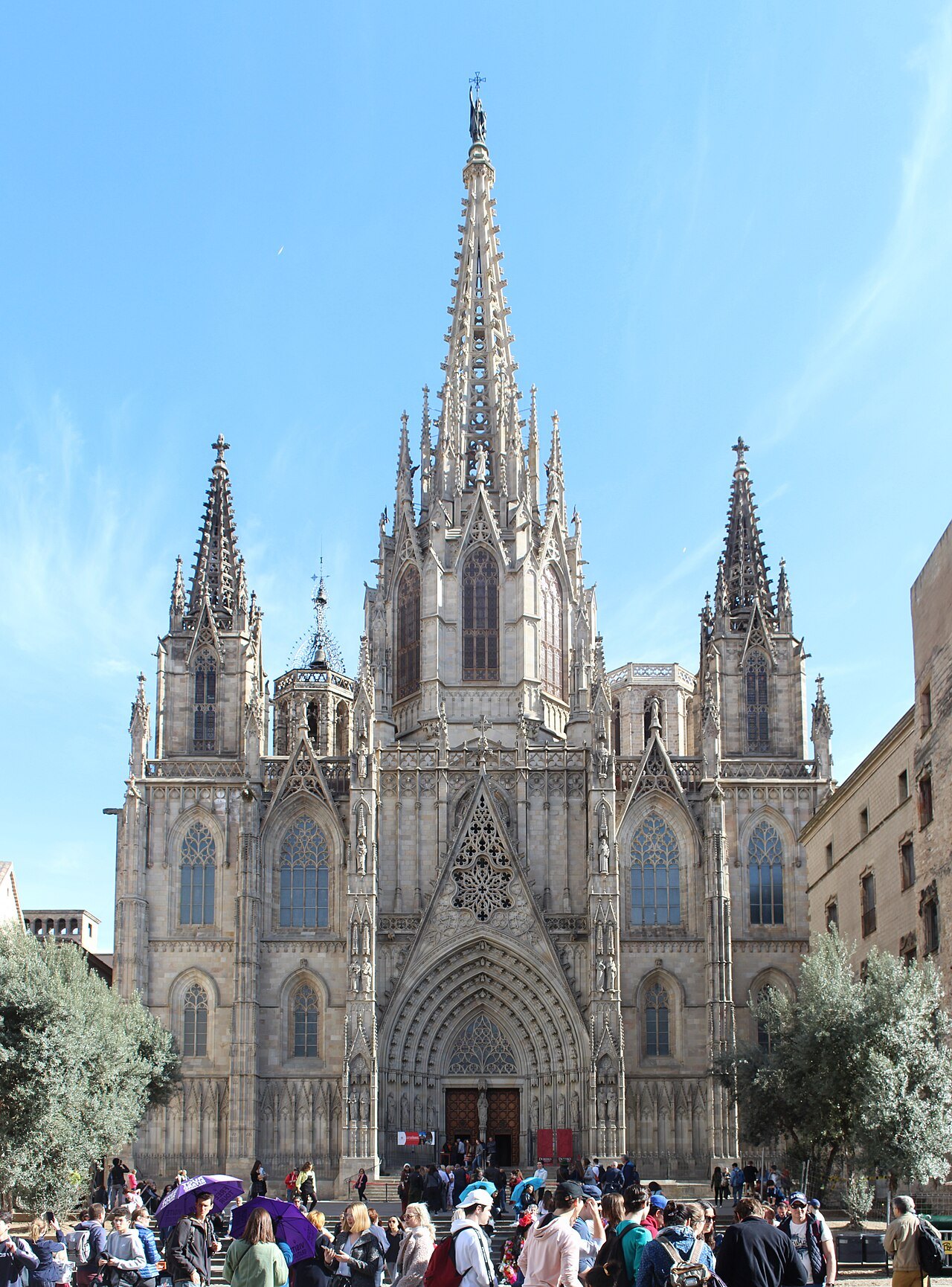
The cathedral is also known as La Seu, simply the see, a name used across the city for the diocese's principal church. That plain designation sits oddly next to the elaborate nineteenth-century facade facing the square, a contrast that becomes clear once a visitor compares the front to the older stone along the side streets.
How the Egg Stays Afloat
The effect itself is simple physics rather than any mechanism built into the fountain. An emptied eggshell is light enough that the upward jet of water keeps it balanced and turning near the top of the spray, where the pressure holds it rather than letting it fall to either side.
Visitors sometimes expect a trick involving thread or a hidden support, but the fountain's jet alone keeps the eggshell turning. The same principle would work with any object light and rounded enough to balance on a column of rising water, though the cathedral keeps specifically to the custom of an eggshell.
Exactly which fountain in the cloister carries the custom, and whether it runs for the whole day of Corpus Christi or only for part of it, is something to confirm with cathedral staff on site, since practices around a single feast-day tradition can vary from one year to the next.
The Geese Next to the Fountain
The fountain is not the only living detail in the cloister. Thirteen white geese are kept there permanently, a number tied to the tradition that Saint Eulalia, the cathedral's co-patron and a young virgin martyr according to Catholic tradition, was thirteen years old at the time of her death in Roman Barcelona.
Eulalia's relics are entombed in the crypt beneath the high altar, which is raised to allow a clear view down into that space from the nave above. That arrangement links the cloister's living symbol of thirteen geese to the crypt where her tomb lies only a short walk from the fountain.
Two traditions about her death survive. One account says she was exposed naked in a public square and covered by a miraculous snowfall in mid-spring; another says she was sealed in a barrel studded with knives and rolled down a street now called the Baixada de Santa Eulàlia, close to the cathedral itself.
Eulalia's story anchors much of the cathedral's identity beyond the crypt and the cloister. Her name appears in the dedication alongside the Holy Cross, and the geese kept in her honor are a detail many visitors notice only after they have already admired the fountain and its dancing egg nearby.
Tombs and Relics Nearby
The cloister and crypt share space with other burials of consequence. Count Ramon Berenguer I and his third wife, Almodis de la Marche, who began the Romanesque cathedral on this site in 1046, are both buried inside, along with Saint Raymond of Penyafort and several former bishops of Barcelona, each marking a different century of the cathedral's long construction.
One of those bishops, Arnau de Gurb, lies in the Chapel of Santa Llúcia, which he had built himself; the chapel opens off the cloister close to where the fountain, and its dancing egg, draws attention once a year on the day of Corpus Christi, only a short walk from his own tomb.
None of these tombs compete for space with the egg custom, but visitors moving between the crypt, the chapels, and the cloister are, in effect, walking through nearly a thousand years of the site's layered history in a single short loop, from the Visigothic remains below ground to the nineteenth-century facade out front.
Visiting the Cloister Today
The cathedral has added some visitor-facing touches over the years: a gift shop now operates inside the cloister, and electric candles have replaced the traditional lit ones in parts of the building. Phones are not permitted inside the Chapel of Lepanto and some other chapels, a rule worth remembering before stepping inside.
For the exact days and hours the cloister and crypt welcome visitors, and whether the dancing egg display is announced ahead of time, check directly with the cathedral's own visitor information rather than relying on a fixed date carried over from a previous year, since the feast's date on the calendar always moves.
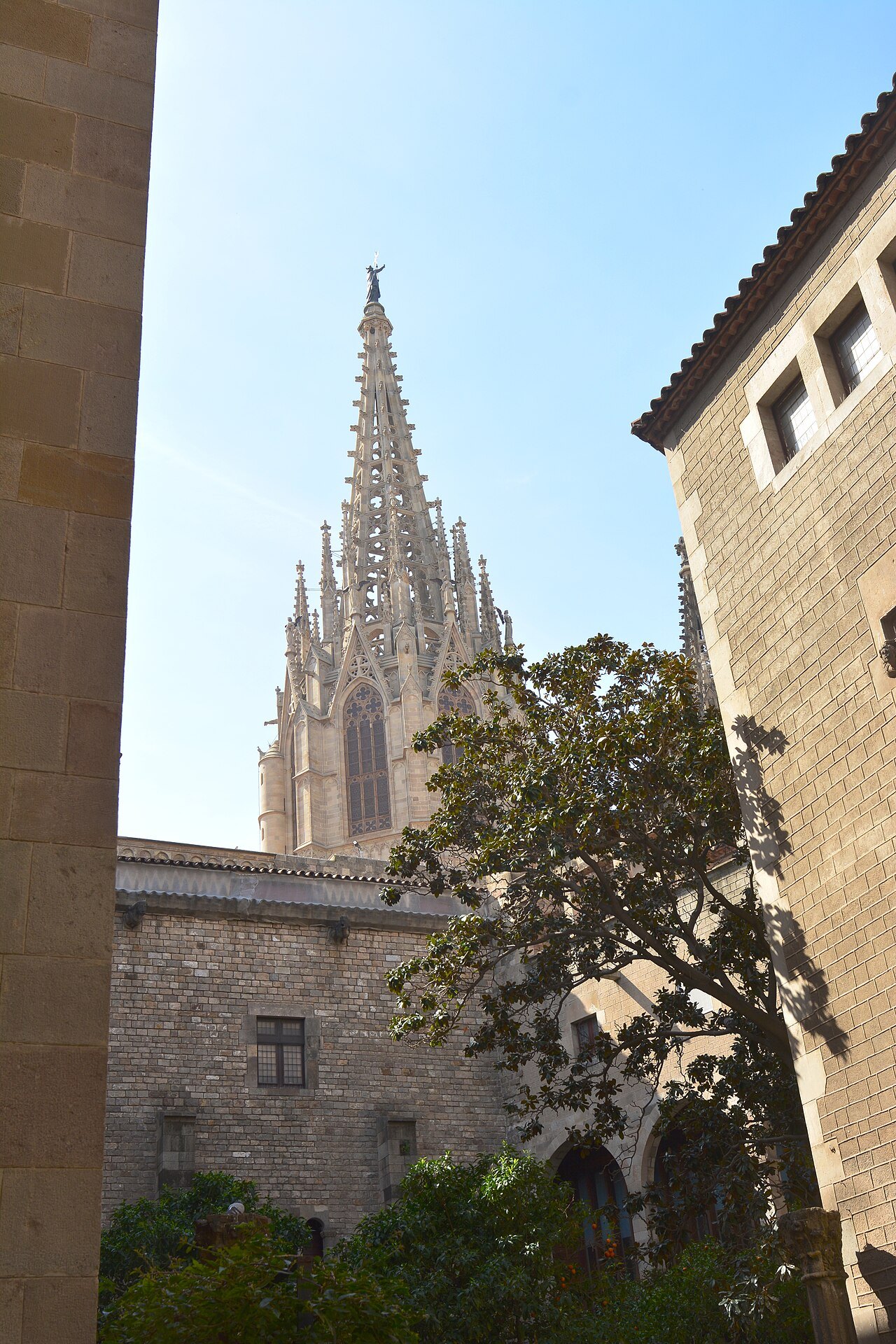
The cathedral sits at the heart of the Gothic Quarter, where fragments of Roman wall are built directly into the structure. Visitors who want the wider context of the neighborhood's restored medieval streets can read more about the district before or after stepping inside the building, since the cathedral square is the natural starting point for a walk through the quarter.
Visitors touring the cathedral alongside other Gothic Quarter sights, such as Santa Maria del Mar, may find the cloister a quieter stop between busier streets, useful as a short rest as much as for the chance of catching the dancing egg on the right day, before continuing the walk toward the sea.
Planning Around a Moveable Feast
Because Corpus Christi falls on a different date each year, anyone hoping to see the dancing egg should build flexibility into a Barcelona itinerary rather than fixing a single day around it. Checking the cathedral's own calendar, or asking locally once in the city, is more reliable than estimating from a previous year's date.
Visitors planning several stops in the Gothic Quarter on the same day can also check booking ahead for guidance on reserving tickets to the cathedral and nearby sights, since entry policies for towers, crypts, and chapels can shift from one season to the next, especially around feast days when visitor numbers rise.
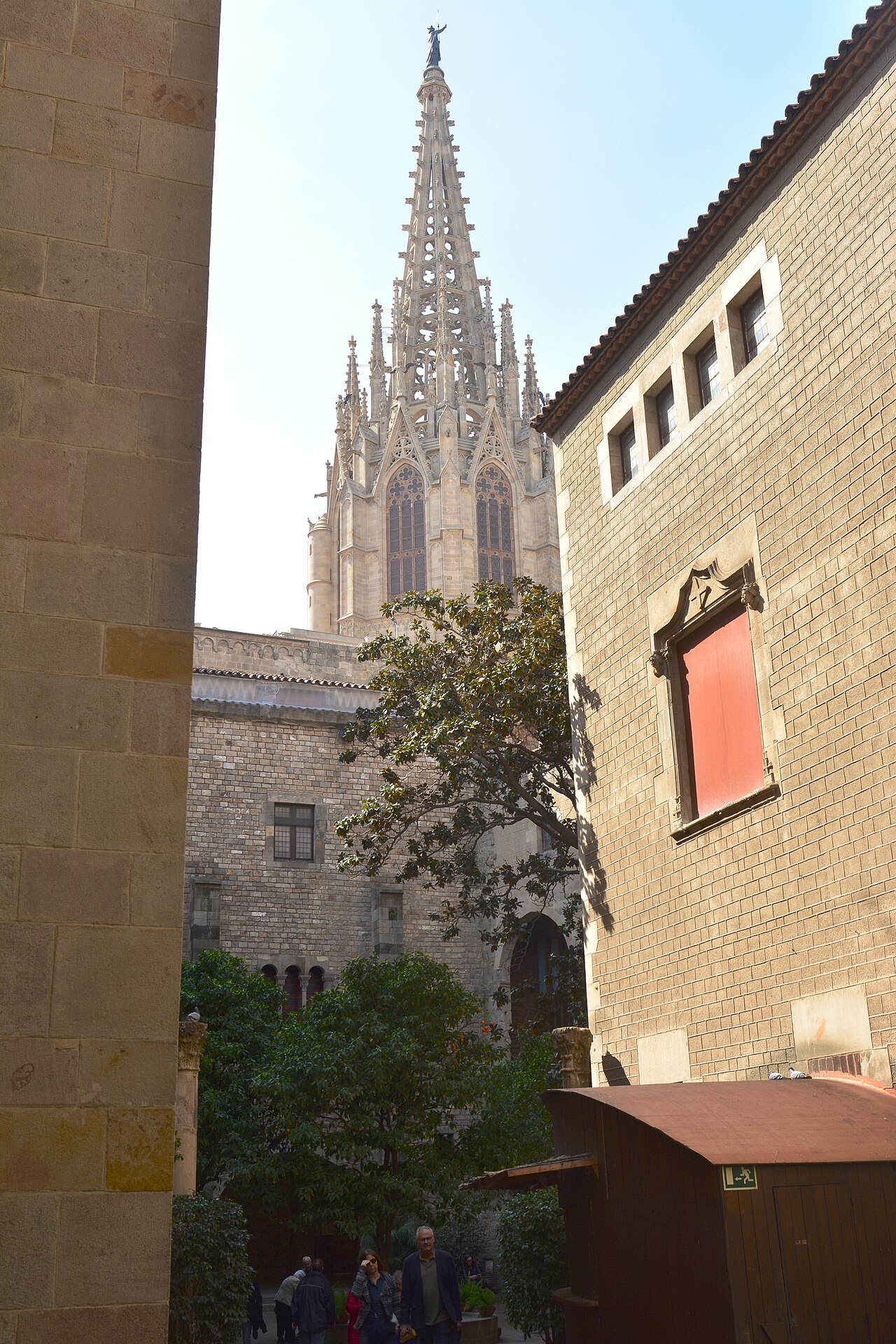
The dancing egg is a small piece of a much longer story at this cathedral, one that runs from a Visigothic baptistery beneath the pavement to a nineteenth-century facade above it. Seeing an eggshell bob on its fountain jet is simply the most lighthearted stop on that longer walk through the building.
More from the journal
Read next
- Barcelona CathedralWho was Saint Eulalia, and why are there geese in the cloister?Why Barcelona Cathedral keeps thirteen geese in its cloister, and the legends behind its patron saint Eulalia.Read the piece →
- The Gothic QuarterIs the Gothic Quarter really Gothic?Much of Barcelona's Gothic Quarter was restored or newly built in neo-Gothic style between the 1880s and the 1960s. What is medieval, what is Roman underneath, and how to tell them apart on a walk.Read the piece →
- Park GüellHow did Gaudí design with hanging chains?Antoni Gaudí worked out the curves of his vaults by hanging weighted strings and chains and turning the result upside down. How the method worked, where it was first used and where to see it in Barcelona.Read the piece →