Home · Itineraries
From one day to five
A stay at a time
One day: Gaudí in the Eixample
The two houses on the Passeig de Gràcia, then the basilica a short ride away, which together give the clearest single day of Modernisme.
Two days: add the old city
The cathedral and the Roman and medieval lanes, down the Rambla through the market, ending at the Palau Güell.
Three days: add the Born and the sea
The church and the concert hall in the old city's eastern half, the park on the site of the citadel, then the beach quarter and the harbor.
Five days: add Montjuïc and the northern hills
A day on Montjuïc with the pavilion, a second day north through Gràcia and Park Güell and Sant Pau, with Tibidabo and the Torre Glòries as optional extras.
Itineraries
In full
How the days are built
The sights of Barcelona are not spread evenly. Most of the best-known ones cluster in a handful of districts, and a day that stays in one cluster costs far less time than one that crosses the city. These routes follow that principle: the Eixample, the old city, the Born and the harbor, Montjuïc, and the northern slopes.
Each day below is a sequence, not a schedule. Opening arrangements change, many of the buildings are ticketed, and two or three major stops fill most days, so the first thing to cut is the last stop. The guide to booking ahead lists what needs a date.
One day: Gaudí in the Eixample
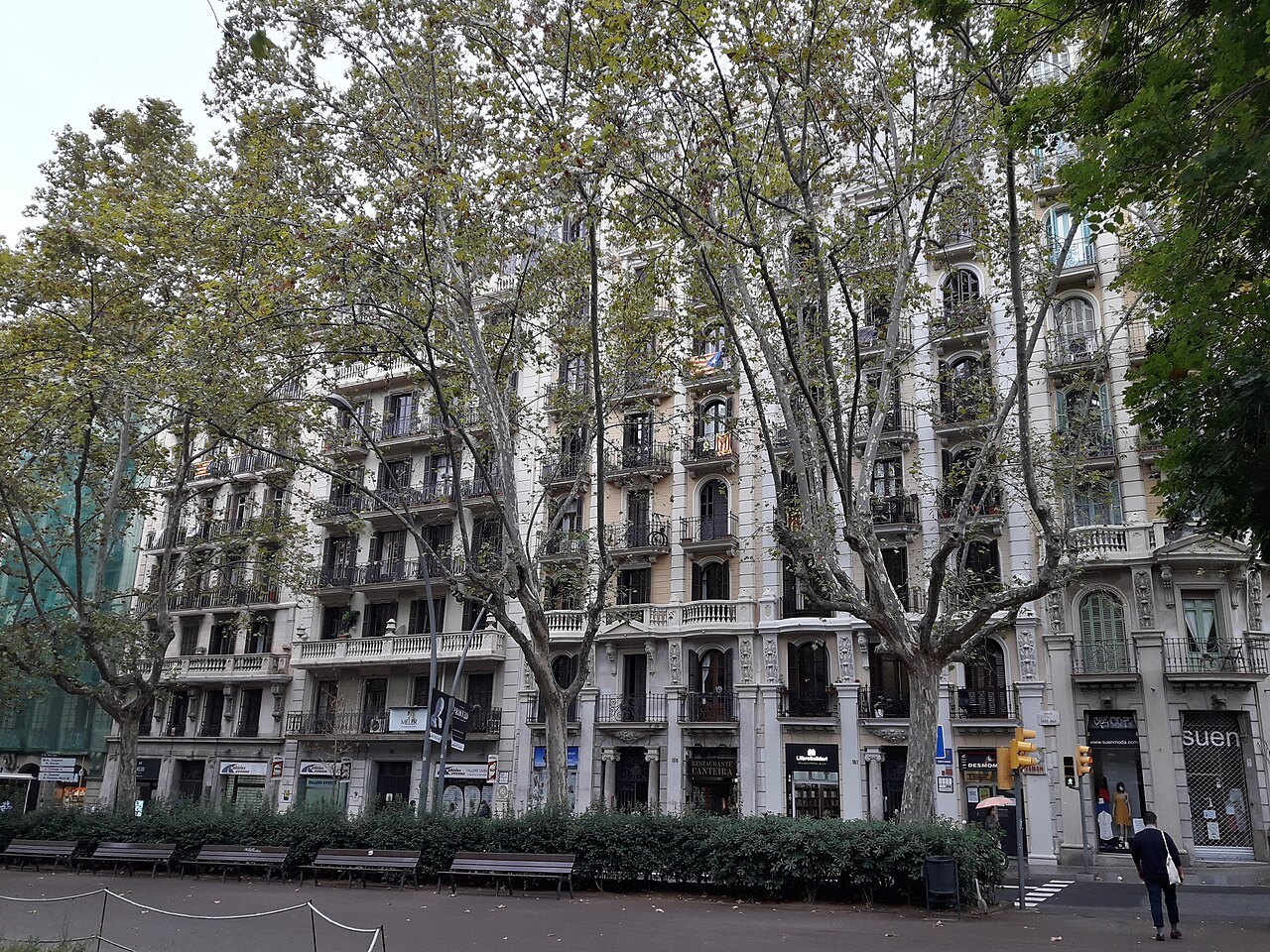
With a single day, spend it on the part of the city that no other place has: Gaudí's Eixample. Begin on the Passeig de Gràcia, where the Casa Batlló stands in the middle of the Block of Discord next to Casa Amatller and Casa Lleó Morera. A few blocks along the same avenue is the Casa Milà, with its stone front and roof of chimneys. The Casa Lleó Morera stands on the corner of Carrer del Consell de Cent, and Puig i Cadafalch's Casa Amatller, with its stepped gable, sits between it and the Casa Batlló, so a slow walk along one side of the avenue takes in all three of the Block of Discord.
Then ride the metro to the Sagrada Família, which has its own station, and walk around the outside before you go in, from the Nativity façade to the Passion façade. The basilica reached its full height in 2026, but work on its Glory façade and the interior of the central tower continues, so it is a living building site.
Two days: the old city
On the second day move to Ciutat Vella. Start at the cathedral and wander the Gothic Quarter, where Roman wall fragments are built into the cathedral and the Plaça del Rei sits above the Roman remains of the city history museum. From the Gothic Quarter, the Rambla is a few steps away; walk down it from the top, if you like, stopping at the Boqueria market.
Finish at the Palau Güell, a few steps from the lower Rambla, or at the harbor end of the street at the Columbus Monument. This is a day for walking slowly and not for ticking boxes. The Plaça de Sant Jaume, a short walk from the cathedral, is where the Generalitat of Catalonia and Barcelona's city council face one another, and the Flamboyant bridge over Carrer del Bisbe was built in 1928, so the district is a good place to practice telling the medieval from the restored.
Three days: the Born and the sea
The third day covers the eastern half of the old city and the waterfront. Santa Maria del Mar, the people's Gothic church of the Ribera, is the place to begin, with the Palau de la Música Catalana a short walk to the north and a very different kind of building: Domènech's glass and tile concert hall.
From there walk southeast to the Parc de la Ciutadella, built on the ground of the hated fortress and now home to the Catalan Parliament, the zoo and the Cascada, then on to Barceloneta and the beach, and finish at the Port Vell for the sea air and the light on the harbor. Before you leave the Born, step round the apse of Santa Maria del Mar to the Fossar de les Moreres, the burial ground where Catalan soldiers fallen in the siege of 1714 are remembered, which links the church to the fortress whose ground you cross next.
Four and five days: the hill and the north
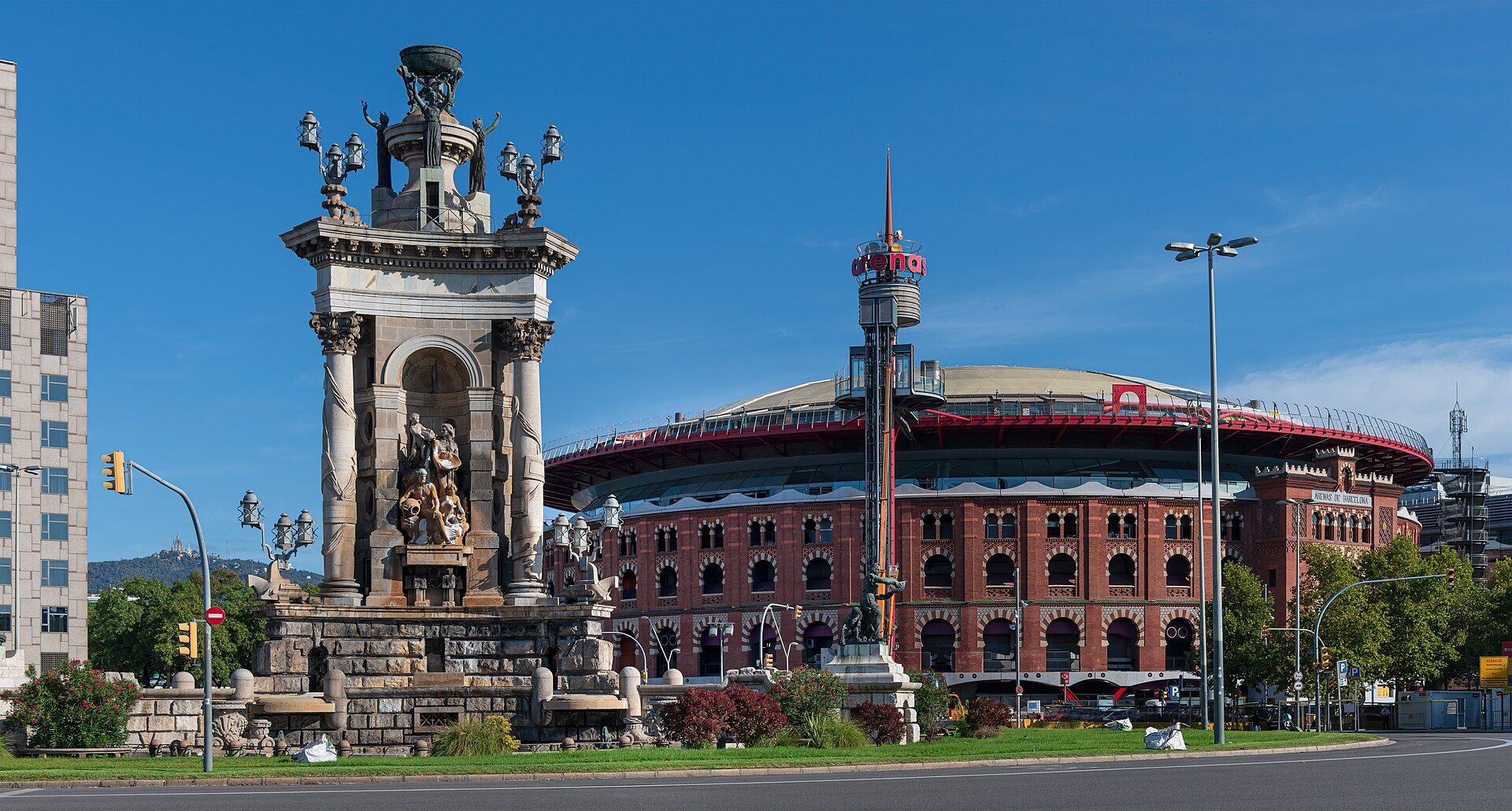
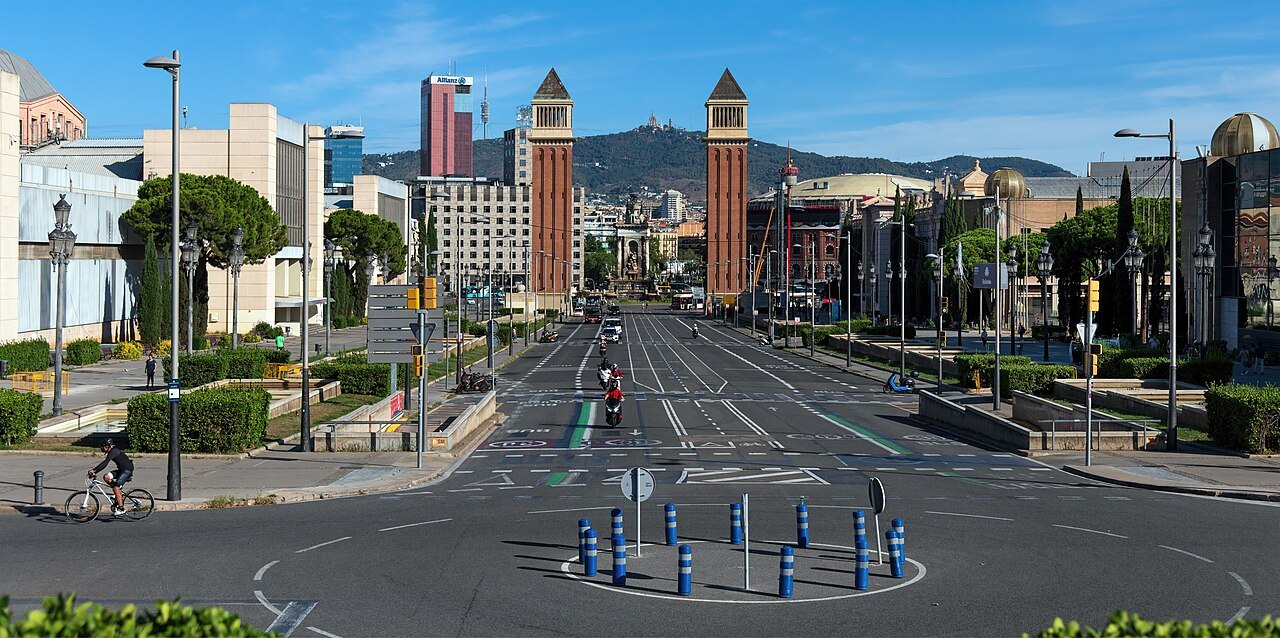
A fourth day can be devoted to Montjuïc, the hill of the 1929 exposition and the 1992 Games. Take the funicular or the cable car to the castle, walk down past the Palau Nacional and the Magic Fountain, and see Mies van der Rohe's pavilion at the foot of the hill. Combine it with the harbor tramway for a return by air to Barceloneta. The Poble Espanyol, the village of regional building styles on the western side of the hill, was part of the same fair and can fill an extra hour for those who like it.
The fifth day goes north: Casa Vicens in Gràcia, then Park Güell on the slope above, and the Hospital de Sant Pau on the way back toward the center. If energy remains, Tibidabo and the Torre de Collserola crown the northern ridge, and the Torre Glòries, in Poblenou, is an easy last stop on a metro-and-tram day. The Torre Glòries lights up after dark, so it is best seen as the sun goes down, from the plaza at its foot.
Keeping the plan flexible
Weather matters. In winter and in the rainy autumn months, indoor days at the houses, the Palau de la Música and Sant Pau work well, and in summer the beach and the hill fit the long evenings. The guide to when to come describes the seasons.
Leave one half-day open. A good itinerary for a first visit has a gap for a long lunch, a market stall, or a walk with no destination, and the best moments of a trip to Barcelona often come in the gaps.
Adding day trips
For stays longer than five days, add a day trip. Montserrat suits walkers, Sitges suits the beach, Girona and Tarragona suit those who like old stones, and the Colònia Güell shows where Gaudí's structural ideas began. They are described in the day trips guide.
A good habit is to take a day trip on a day when the sights of the city would otherwise be at their busiest, and to plan the return before the last trains.
Moving between the stops
Use the metro between clusters and walk within them. The anchor stations are the Passeig de Gràcia for the two Gaudí houses, the Sagrada Família for the basilica, the Jaume I and Liceu stations for the old city, Barceloneta for the harbor, and the Espanya or Paral·lel stations for Montjuïc.
More detail is in the guide to getting around, including the funiculars, the cable cars and the trams that some of these routes use.